Shag haircuts are layered, textured styles that add movement, volume, and effortless edge to any hair type. With layers throughout the crown and feathered ends, shag cuts create fullness without heaviness. This style works for straight, wavy, or curly hair and suits most face shapes. Shags can be worn tousled, messy, or slightly sleek, offering versatility and low-maintenance styling. They remain popular because they combine modern, playful flair with effortless, lived-in elegance.
Why Shag Haircuts Work So Well
Shag haircuts work because layers create movement, lift the crown, and prevent flatness. Feathered ends soften facial features and highlight cheekbones.
Another reason they succeed is versatility. They suit different textures—straight hair gains shape, wavy hair looks bouncy, and curls spring naturally. Styling is simple: air drying, finger-tousling, or light blow-drying enhances layers. Shags grow out gracefully, maintaining their playful, edgy charm.
Popular Shag Haircut Styles
Classic Shag
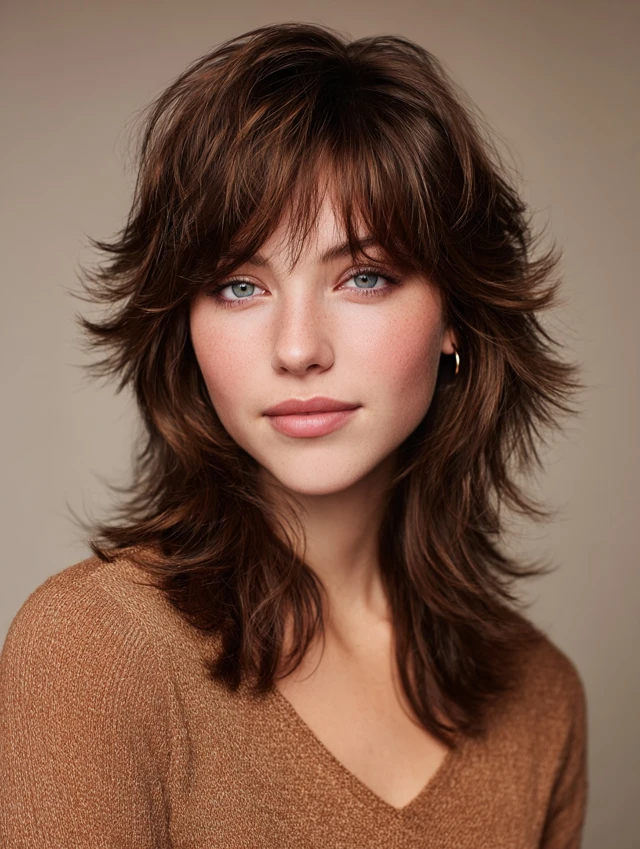
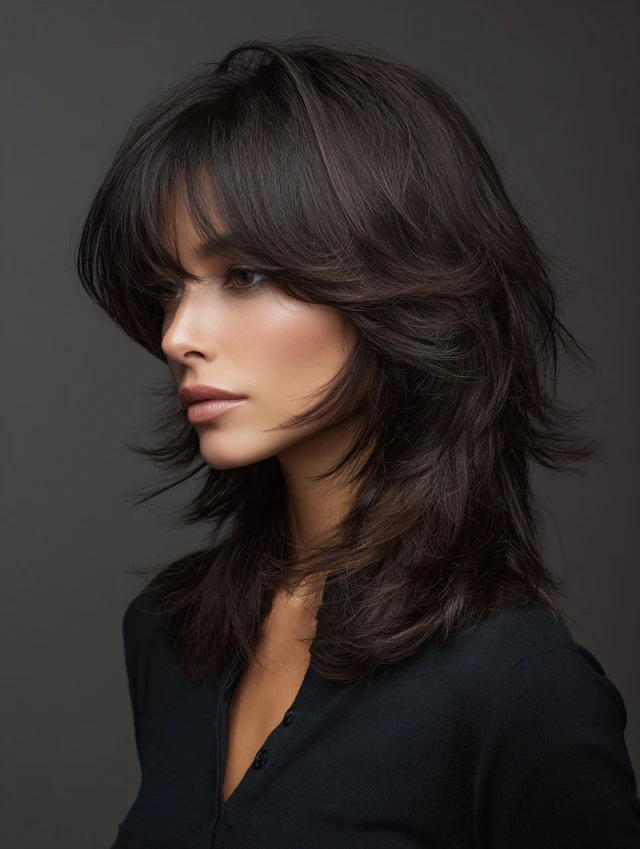
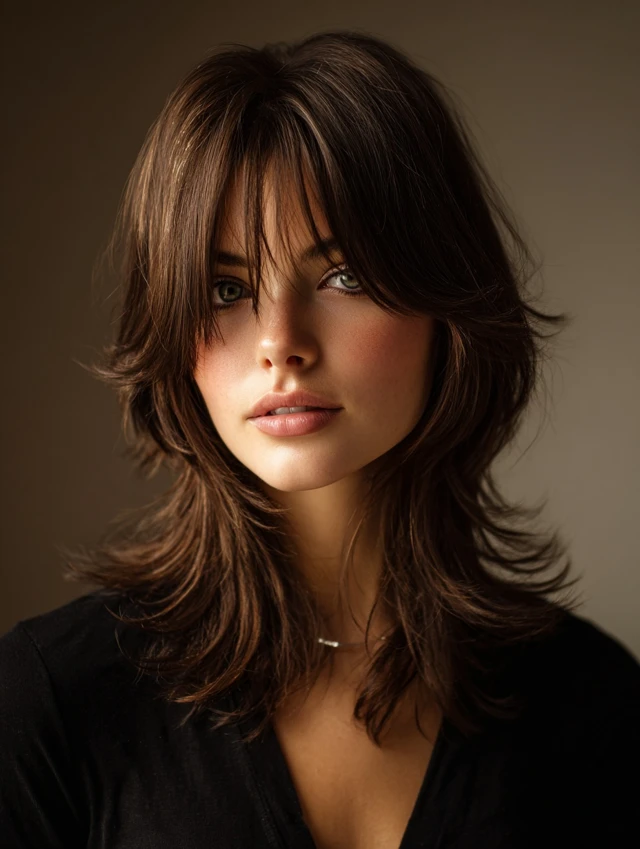
The classic shag features layers at the crown with feathered ends for natural movement. Works well for oval, heart, and round faces, balancing features while adding volume.
1
2
3
4
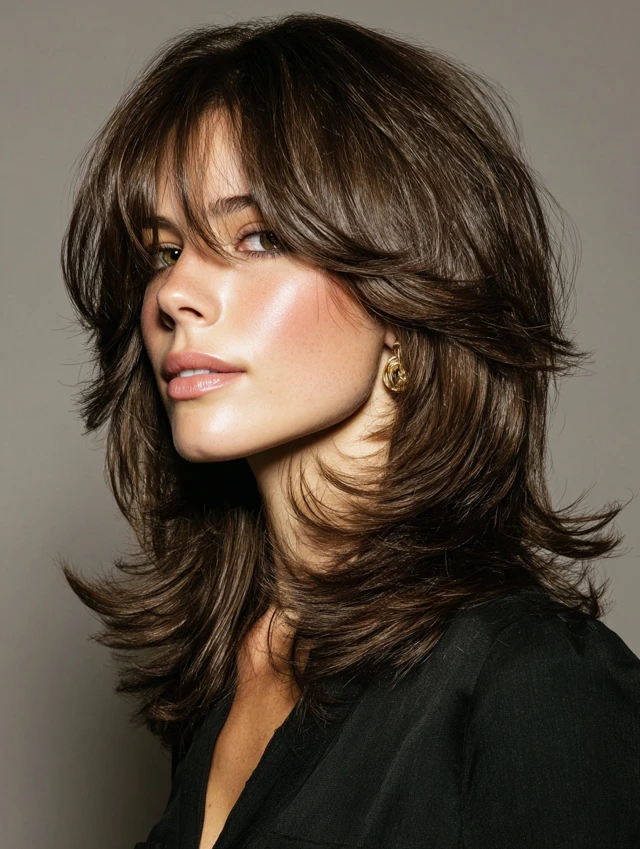
Medium to thick hair works best. Styling is simple: air-dry or finger-tousle. Light texturizing cream enhances softness. Perfect for everyday or professional looks.
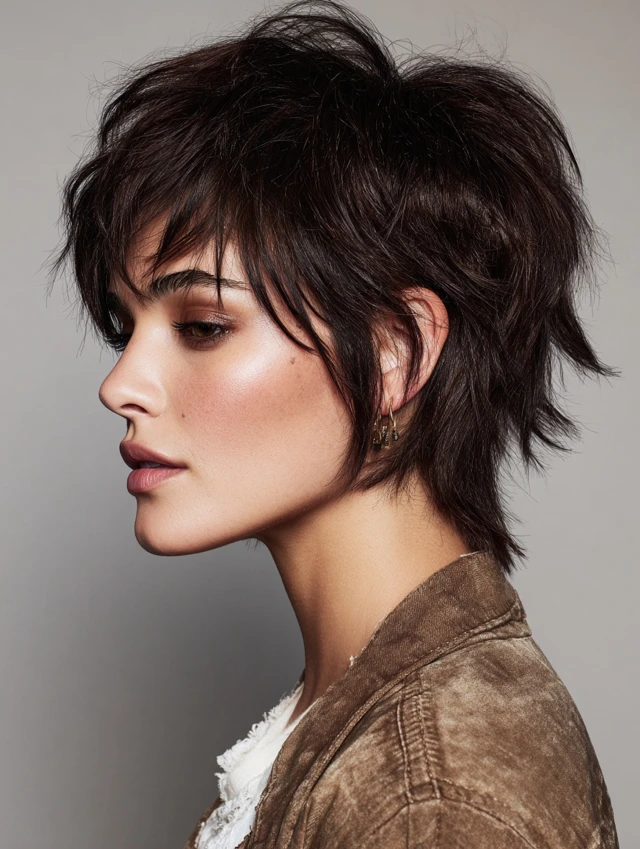
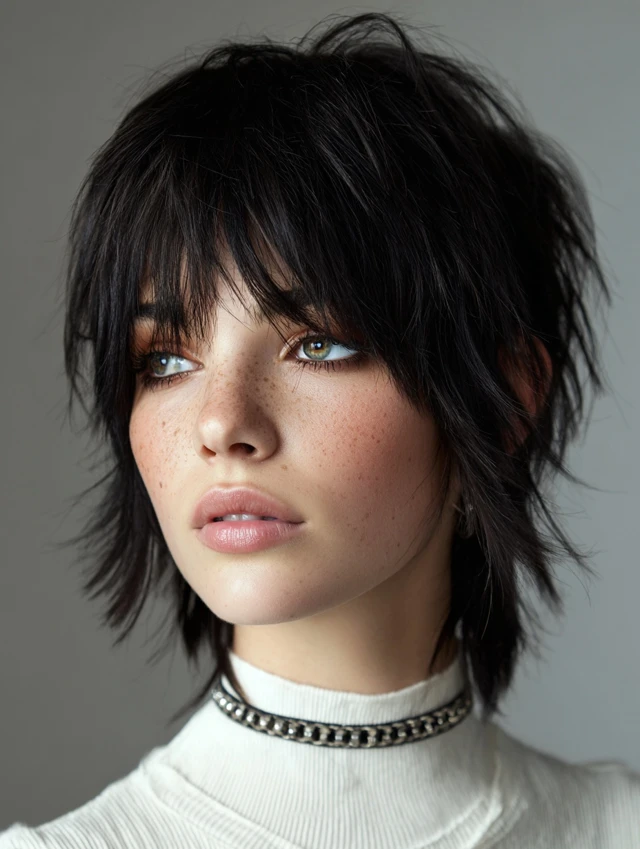
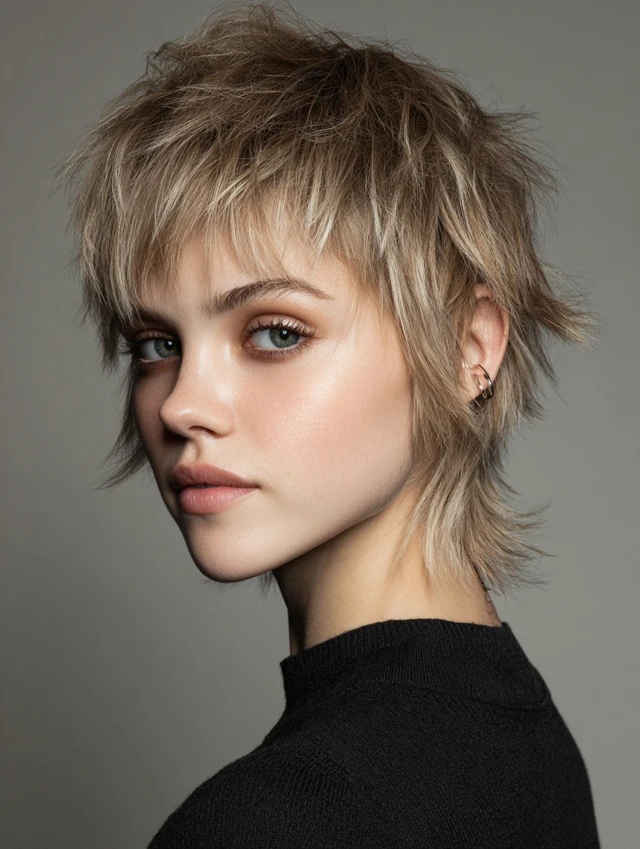
Short Shag
Short shags are cropped layers with textured ends that create playful volume. Works best for oval, round, or heart-shaped faces, giving a youthful, edgy vibe.
1
2
3
4
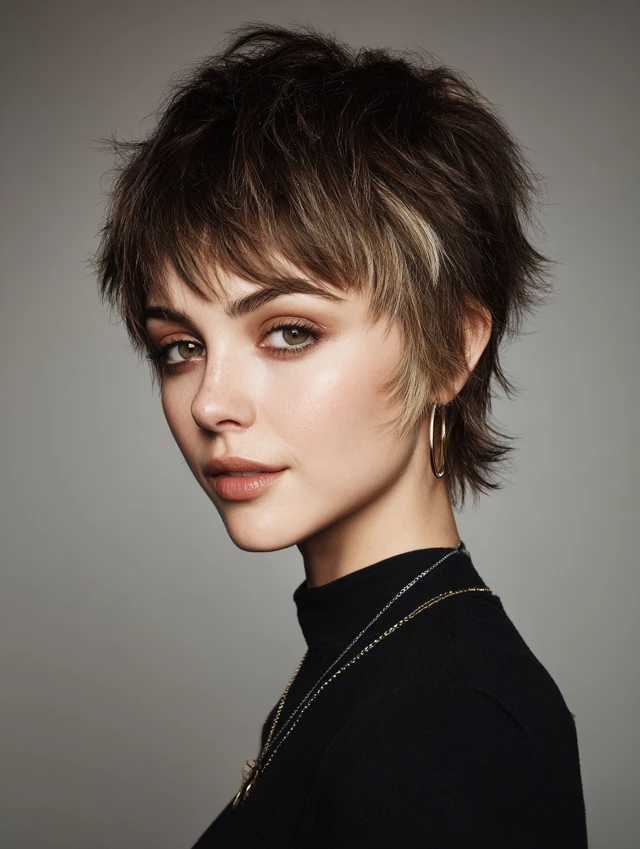
Medium hair responds well. Styling involves finger-tousling or light blow-drying. Low-maintenance trims every 6–8 weeks keep the cut fresh.
Long Shag
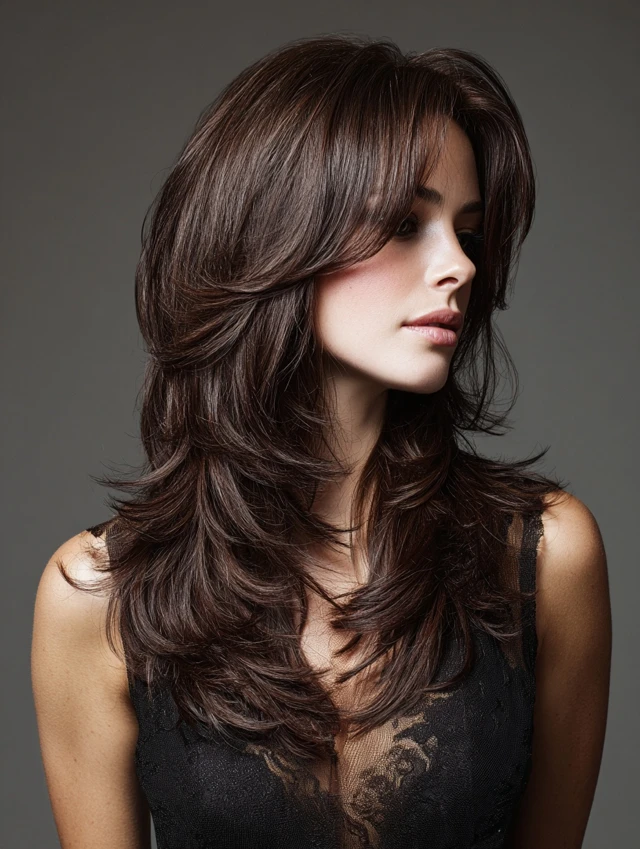
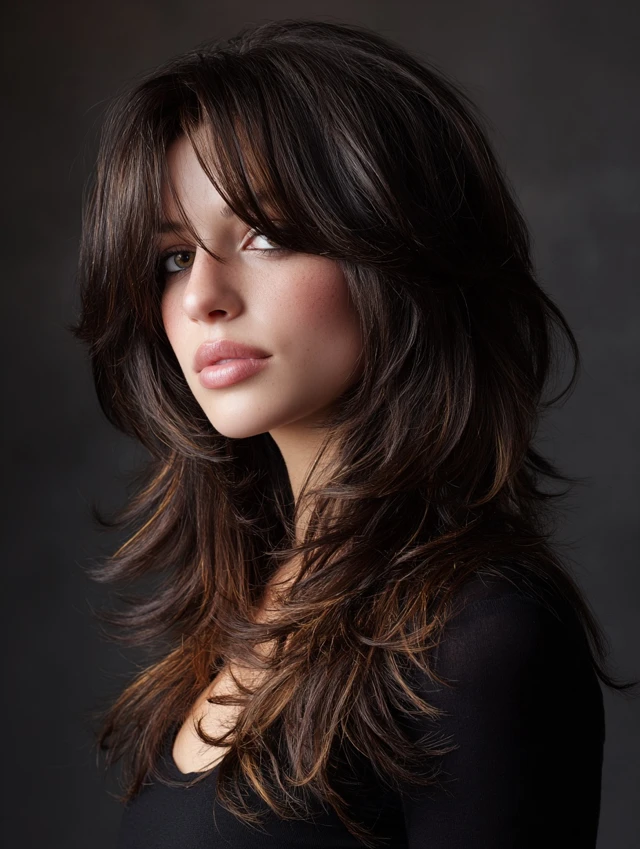
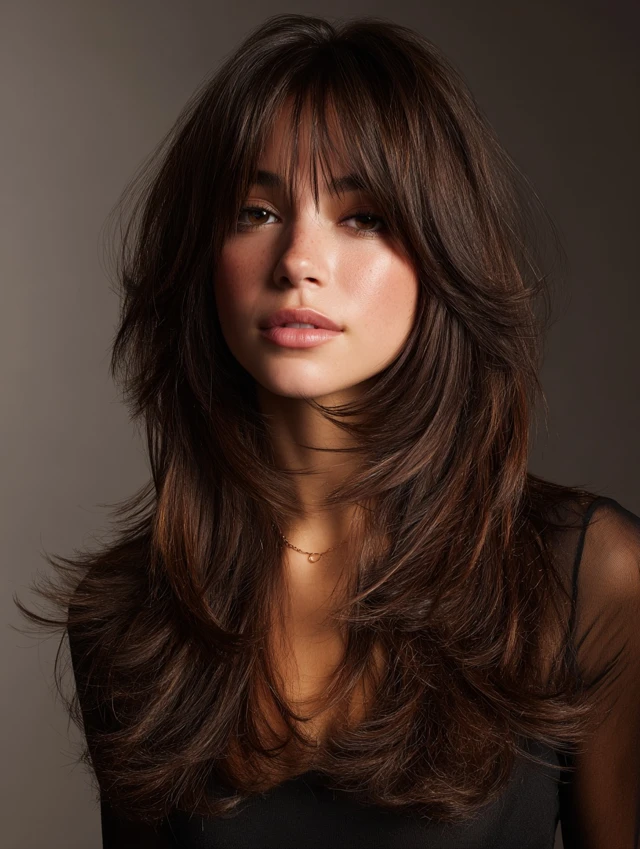
Long shags maintain length while layering the crown and ends for flow and movement. Works well for oval or round faces, softening features and balancing proportions.
1
2
3
4
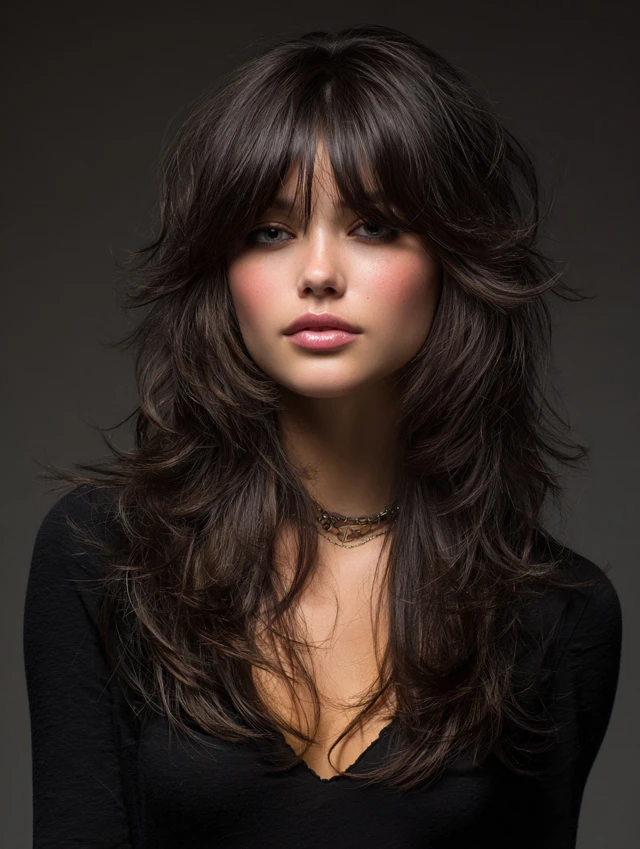
Medium to thick hair works best. Styling is versatile: air drying, waves, or curling enhance layers. Light texturizing products maintain natural movement.
Layered Shag with Bangs
Adding bangs softens the face and frames features while keeping shag layers intact. Works best for oval, heart, or square faces, balancing facial proportions.
1
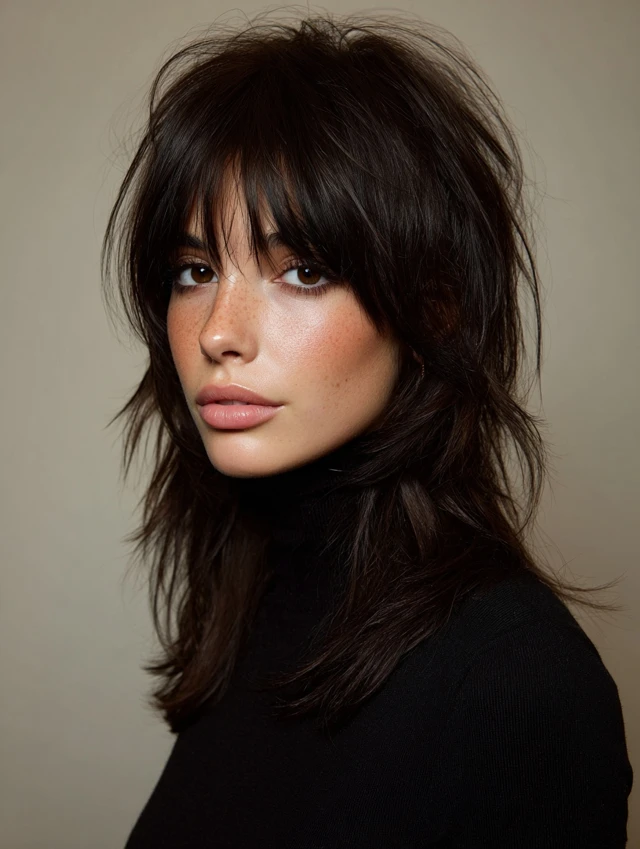
2
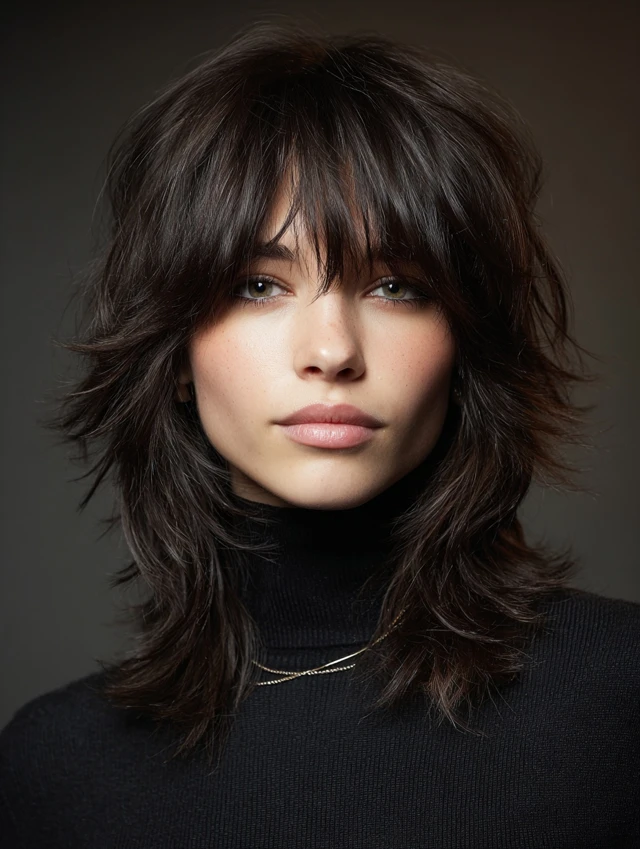
3
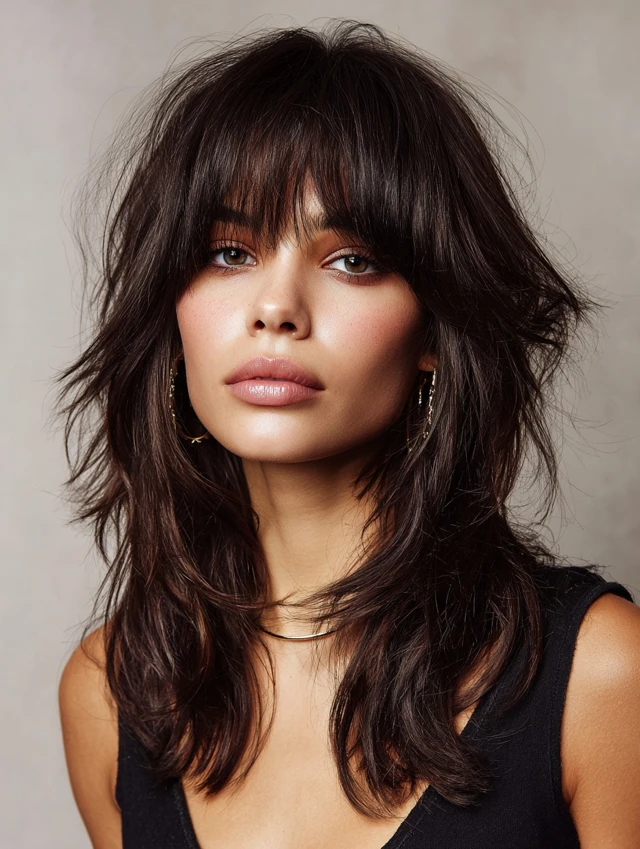
4
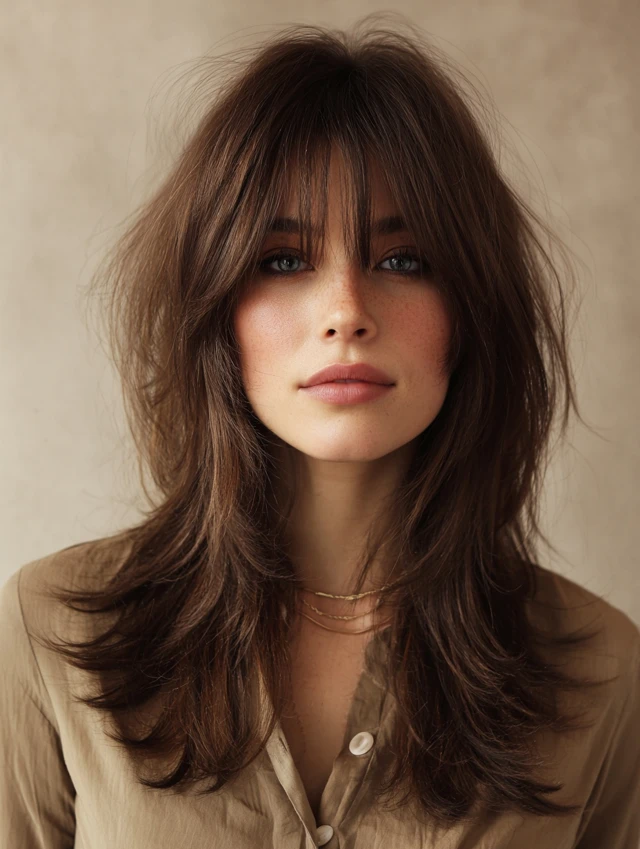
Medium hair styles easily. Styling involves shaping bangs with a round brush or finger-tousling. Minimal product keeps layers defined. Ideal for chic, polished looks.
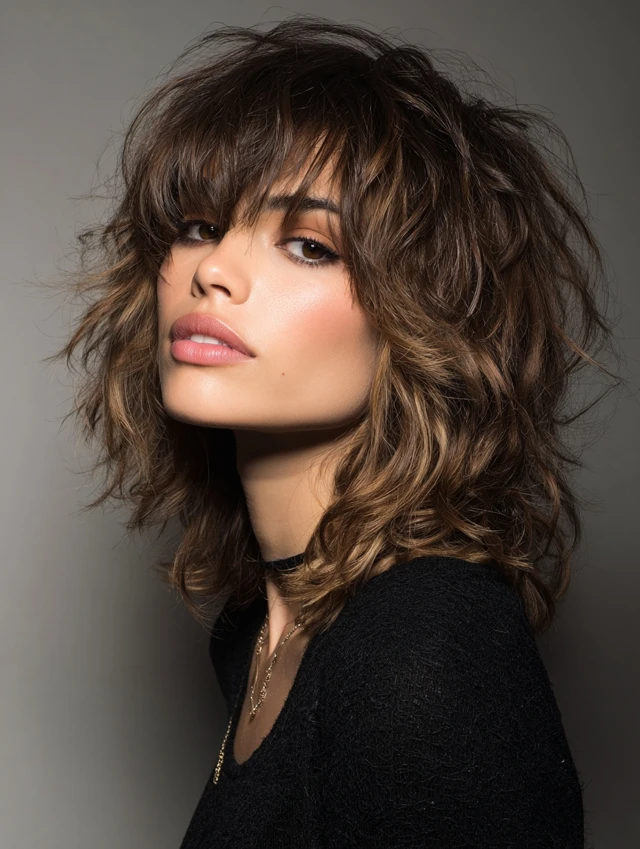
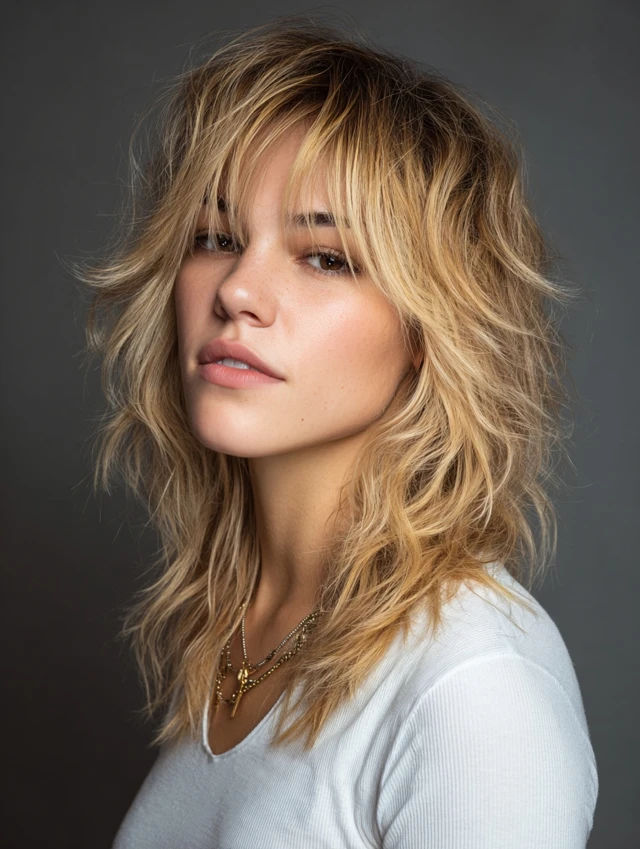
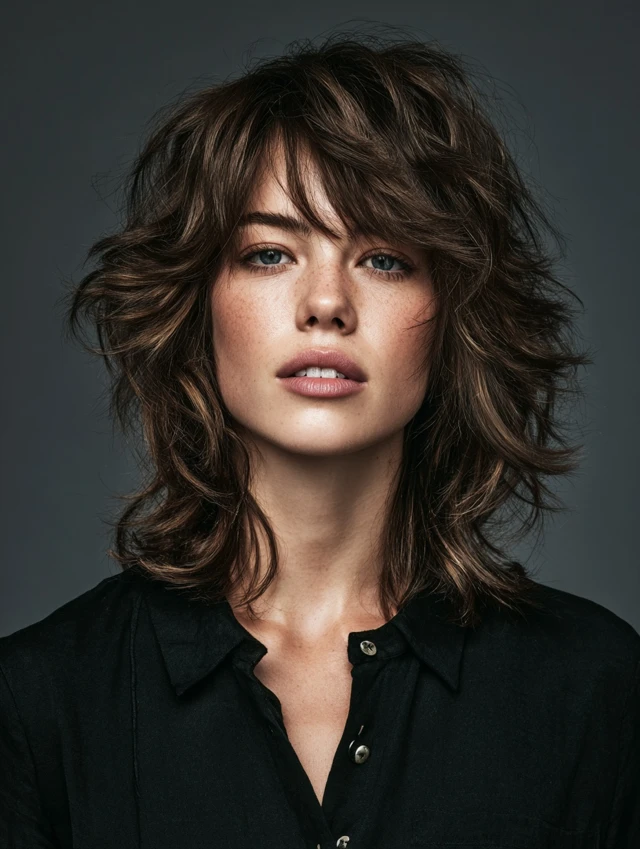
Wavy Shag
Wavy shags highlight natural waves, enhancing texture and volume. Crown layers lift hair while ends flow freely. Works well for oval, heart, and round faces.
1
2
3
4
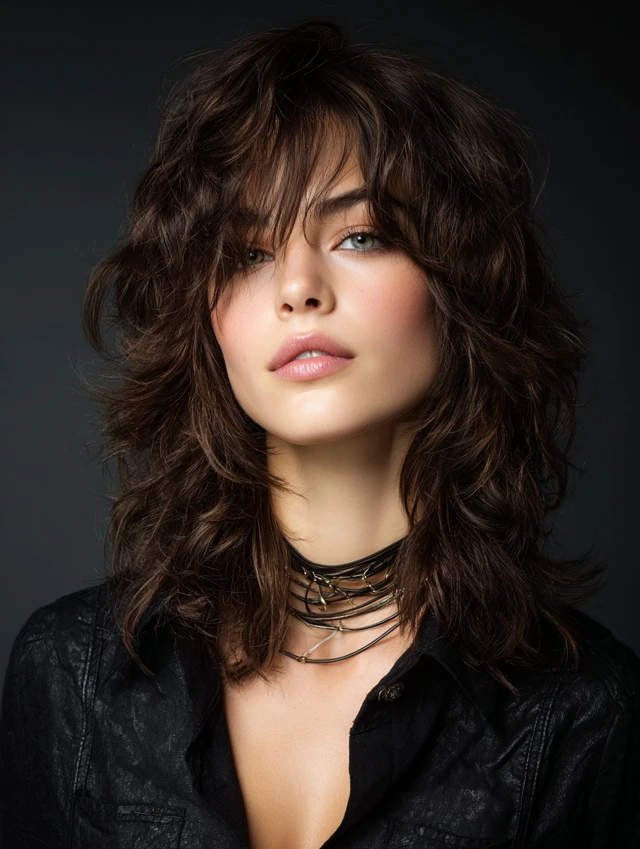
Styling involves curl cream or mousse, air-drying, or gentle diffusing. Minimal effort preserves shape. Perfect for effortless, tousled looks.
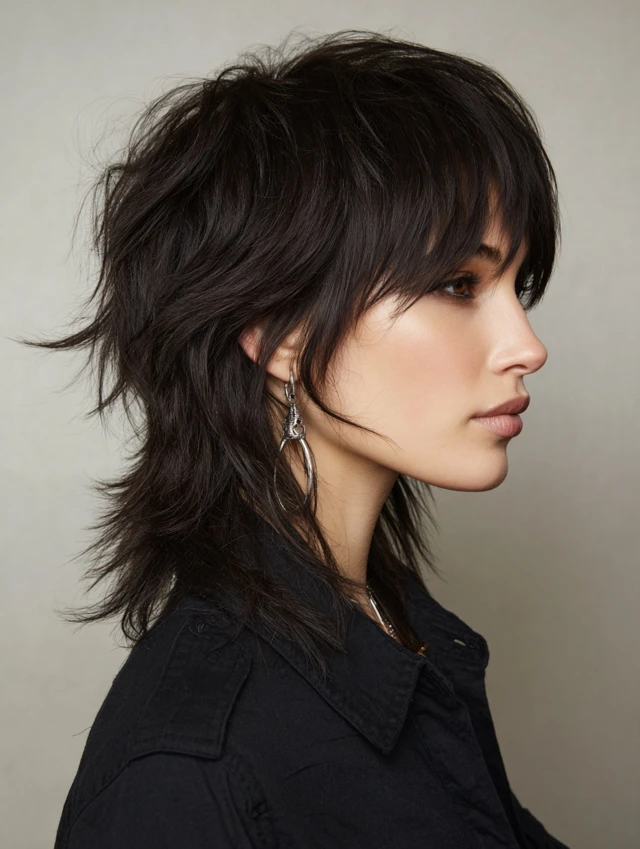
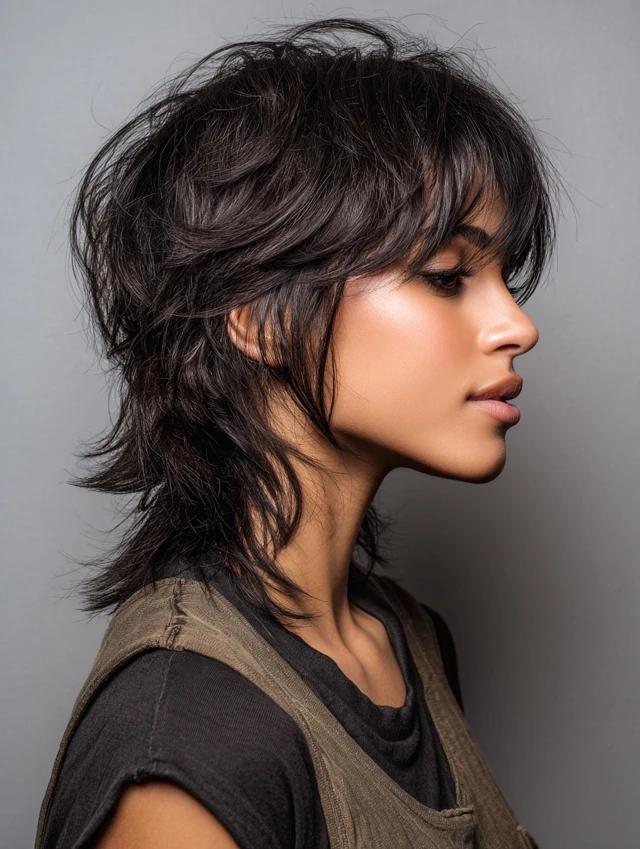
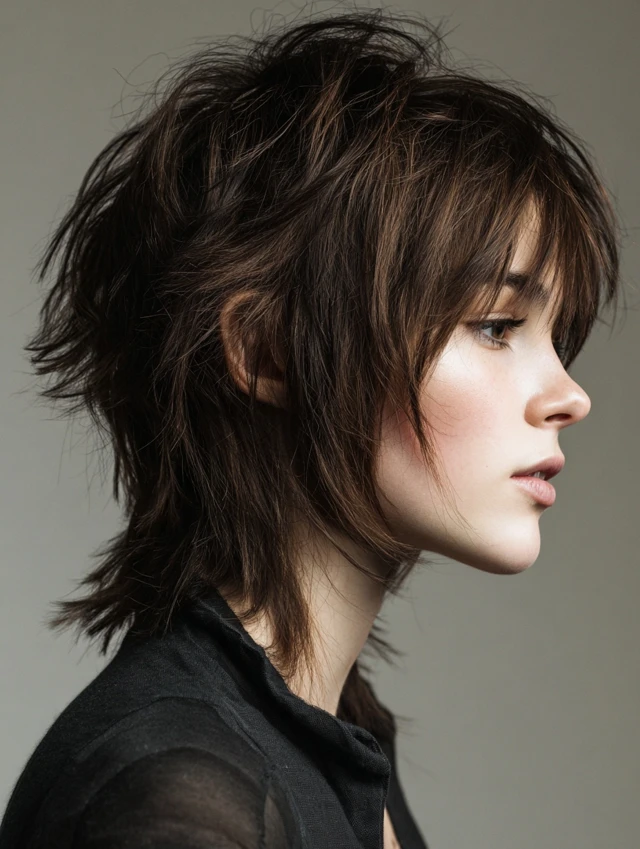
Textured/Shaggy Shag
Textured or shaggy shags feature choppy layers and uneven ends for a playful, edgy style. Works best for oval or square faces, adding modern movement and depth.
1
2
3
4
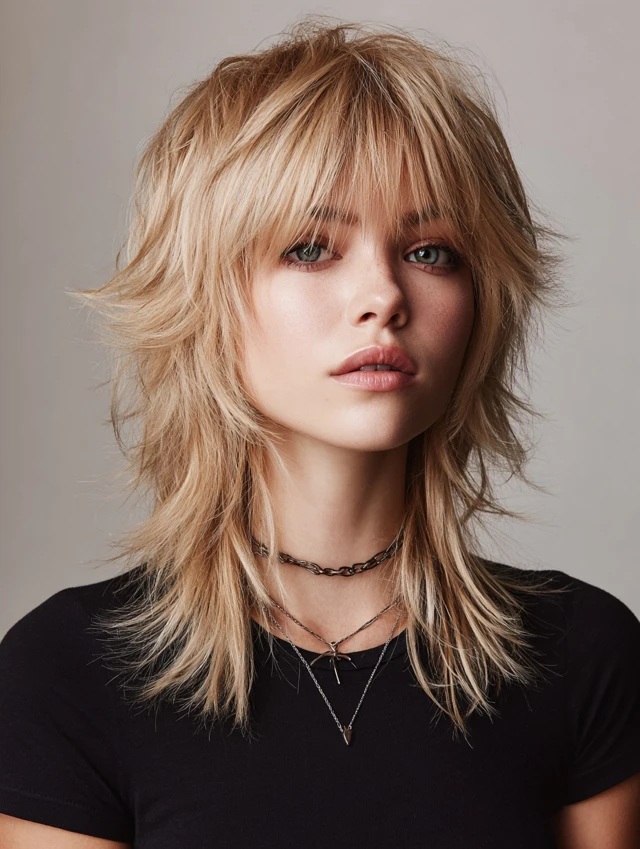
Medium hair responds well. Styling involves light mousse or texturizing cream for definition. Perfect for women seeking low-maintenance, stylish edge.
How to Nail a Shag Haircut
Start with layers that lift the crown while keeping ends feathered. Avoid over-thinning, which can flatten volume. Use lightweight texturizing cream, mousse, or styling serum to define layers without stiffness. Fingers work better than brushes for a tousled, natural look. Regular trims every 6–8 weeks maintain shape, while minimal styling keeps the shag playful, edgy, and effortlessly chic.
Final Thoughts on Shag Haircuts
Shag haircuts succeed because they combine texture, volume, and versatility. Layers create movement, lift, and softness, while bangs or feathered ends highlight facial features. Shags work for most hair types and grow out gracefully, maintaining a stylish, lived-in look.
If you’re thinking about a shag, consider whether you want classic, short, long, wavy, or layered with bangs. Which shag haircut style would you try first to refresh your look—short and edgy, long and flowing, or wavy texture?