Layers turn a bob from a single flat shape into something with actual movement, but only when they’re placed with purpose. Too many layers and thin hair looks stringy, too few and thick hair sits like a helmet. Here are 16 layered bob options built around real hair types and styling routines, not just the same soft wave photographed sixteen different ways.
Classic Layered Bob
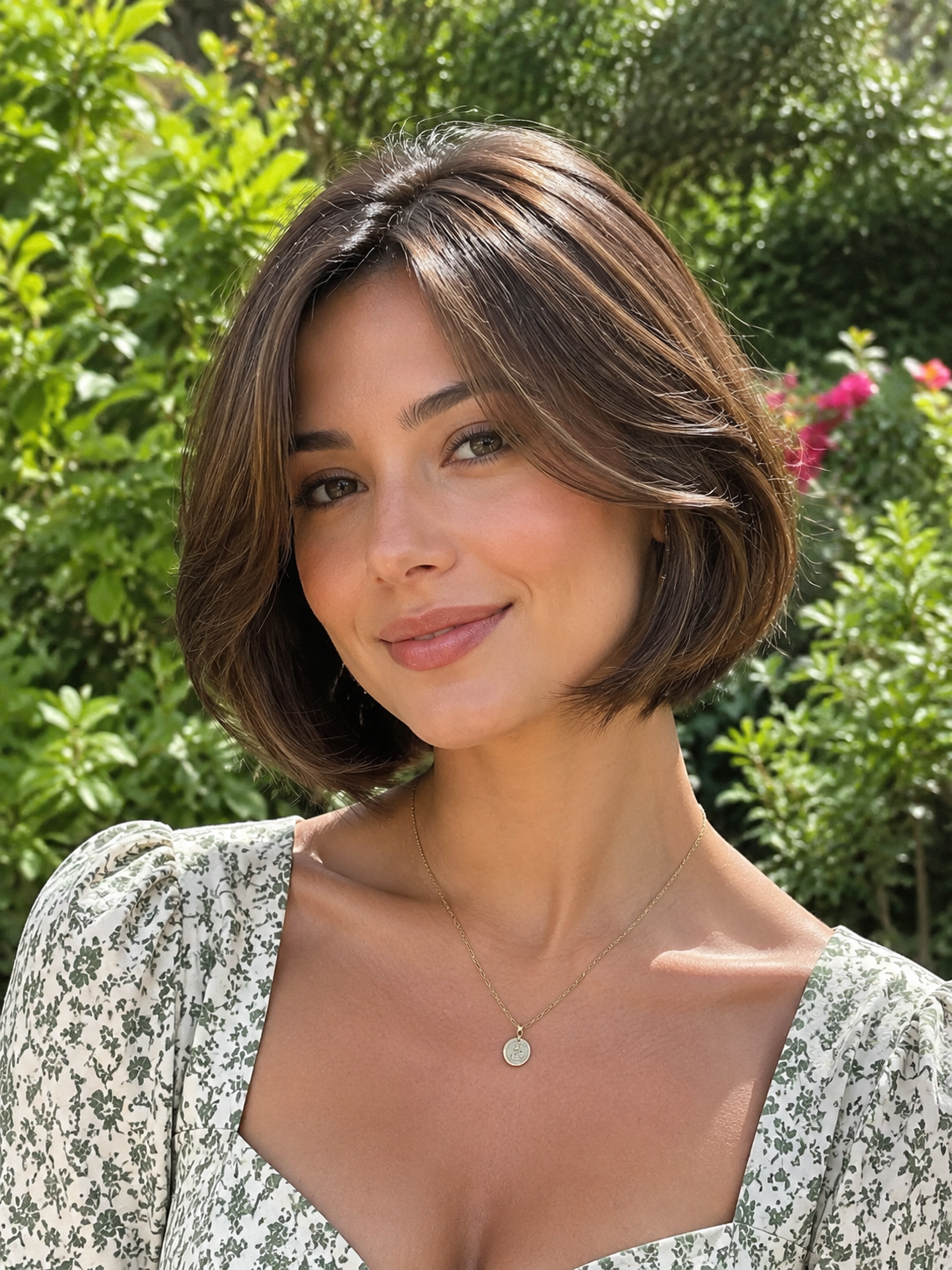
Even layers cut throughout give this bob a rounded, bouncy shape with movement built in at every length. It’s the most versatile version here, working well across straight, wavy, and loosely curly hair types. A round brush blowout brings out the shape best, flipping the ends slightly inward or outward depending on your preference.
Face-Framing Layered Bob
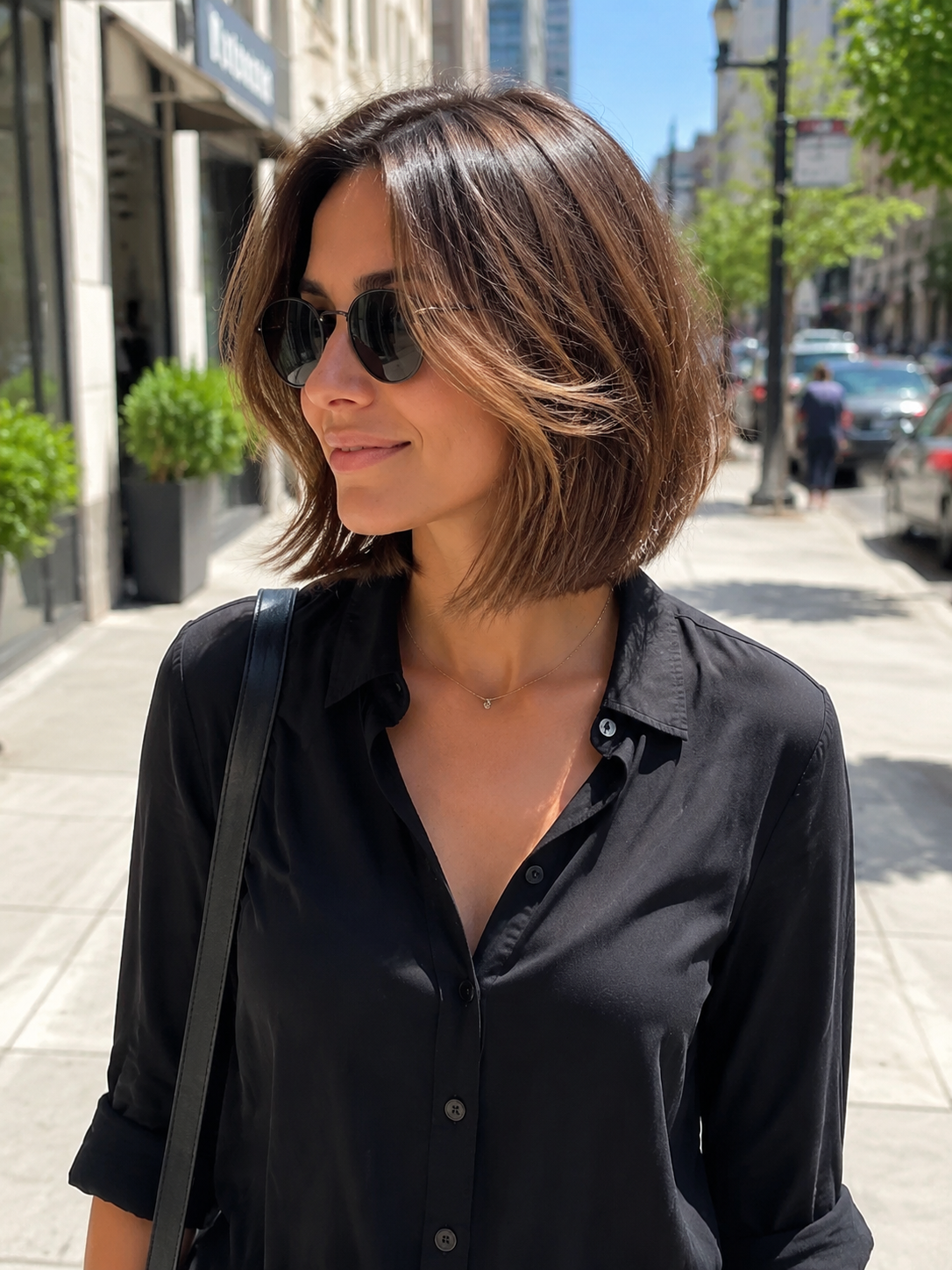
Layers concentrated specifically around the face, rather than throughout the whole cut, draw attention to your features and soften the jawline. This is a good option if you want the benefits of layering without losing overall thickness elsewhere. Ask your stylist to start the face-framing layers at cheekbone level for the most flattering placement.
Long Layered Bob
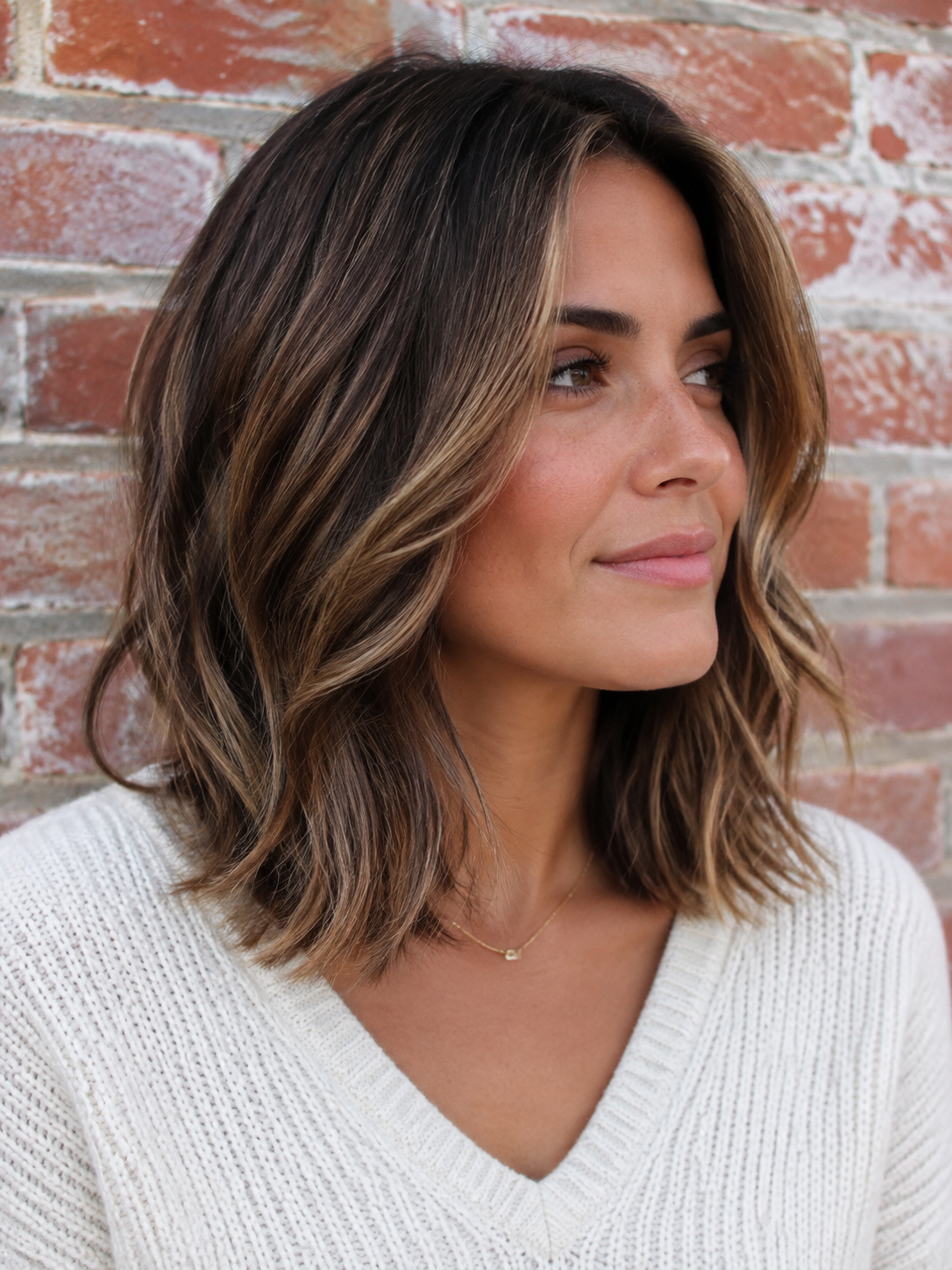
Extending the bob to collarbone length while keeping layers throughout gives a lob-adjacent shape with noticeably more movement than a blunt lob. The added layers prevent the longer length from looking heavy or flat. This version suits thicker hair especially well, since the layers remove bulk while keeping the overall length intact.
Short Layered Bob
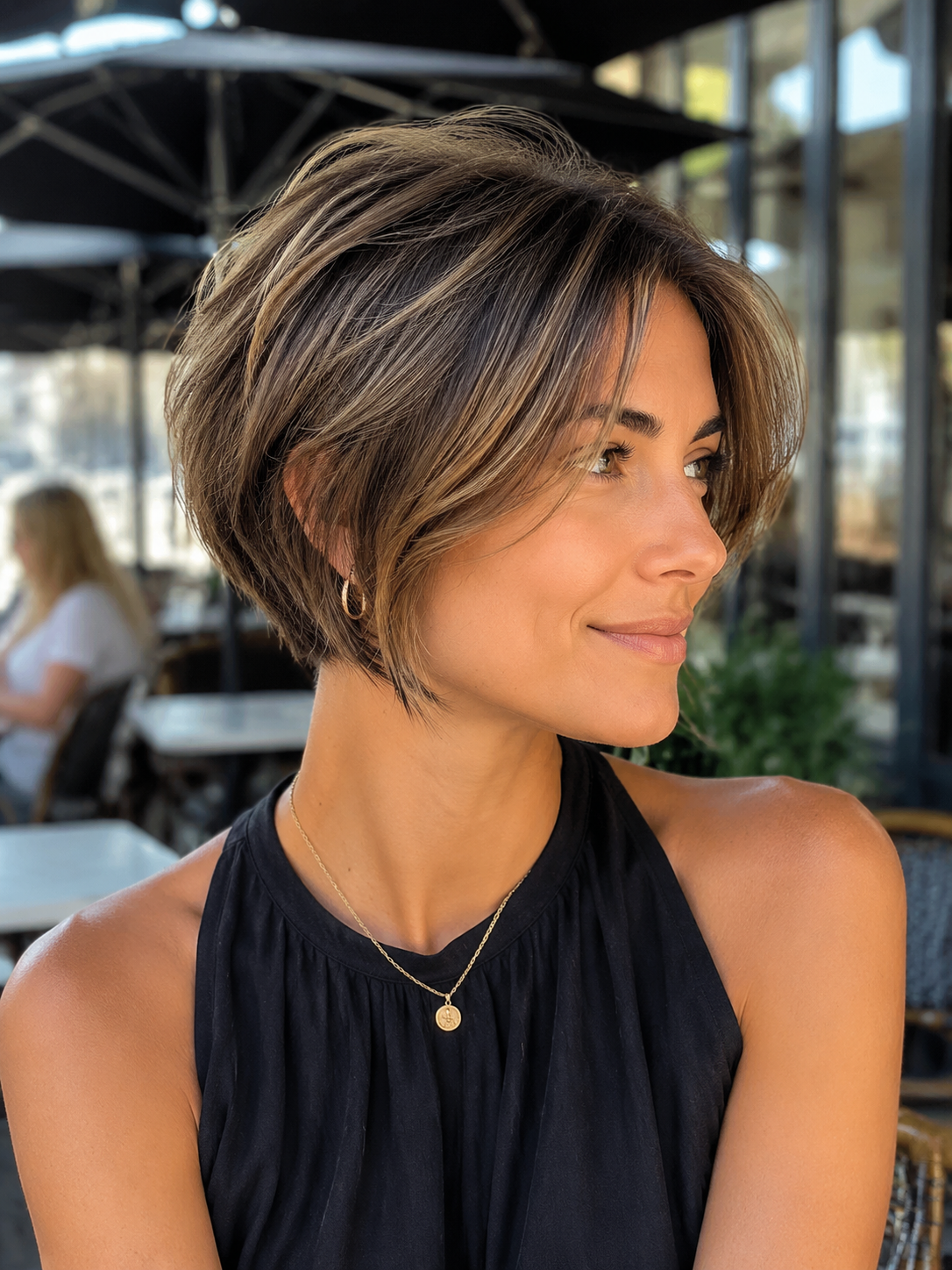
A layered bob cut at chin length or just above adds lift and texture to a shorter silhouette. Ask for short layers concentrated at the crown to build volume, since shorter hair can otherwise sit flat against the head. Style with a texturizing spray at the roots for extra lift throughout the day.
Choppy Layered Bob
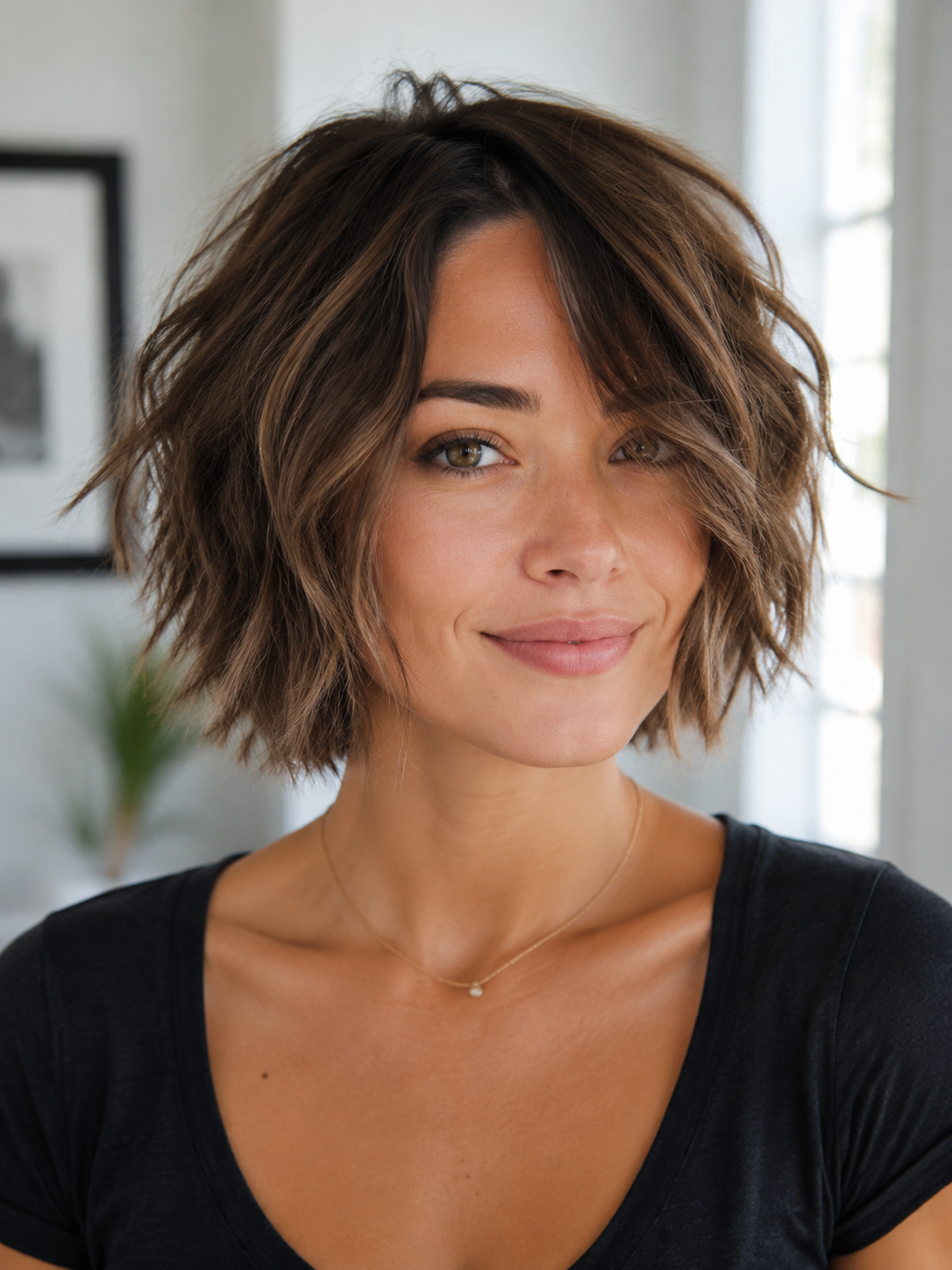
Choppy, disconnected layers give this bob an edgier, more undone finish than a classic even layer cut. It photographs best air-dried or lightly tousled rather than smoothed with a round brush. This style pairs particularly well with hair that already has some natural texture to work with.
Layered Bob with Curtain Bangs
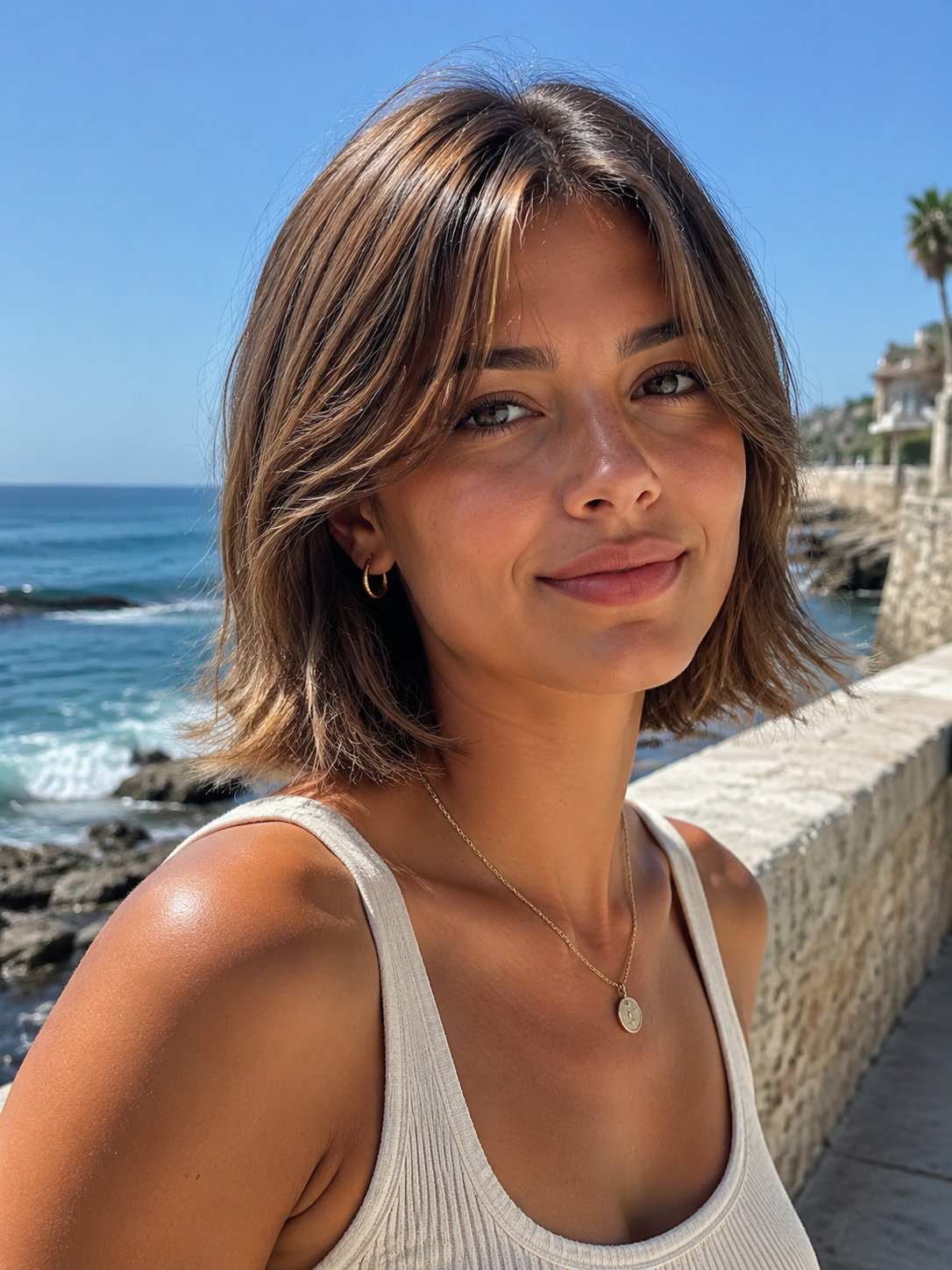
Curtain bangs split at the center and swept toward the temples blend naturally into layers already built through the rest of the bob. This combination softens the whole face without a hard, separate bang line. A round brush while blow drying keeps the curtain shape from falling flat.
Layered Bob with Bangs
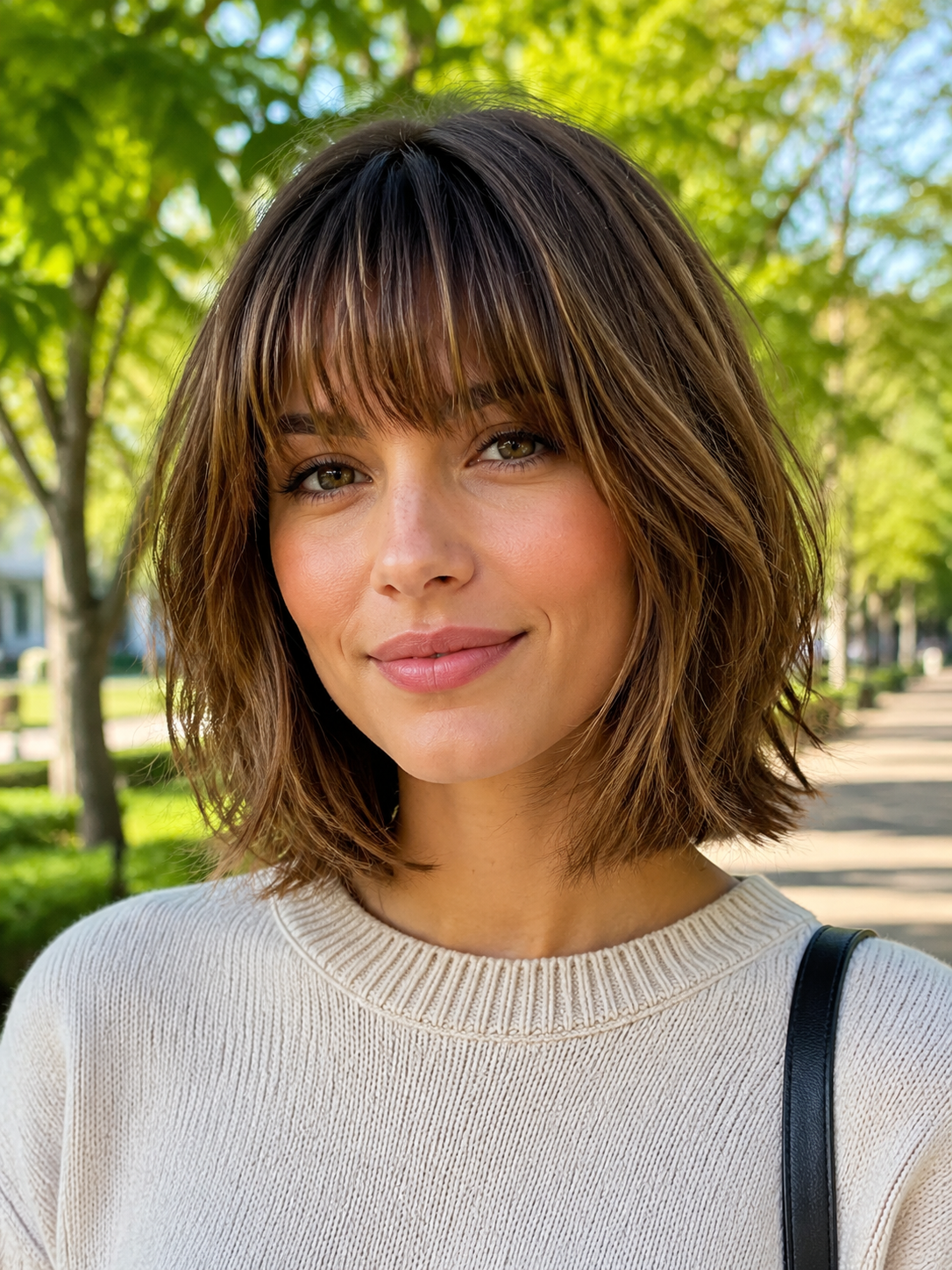
A full fringe paired with a layered bob creates more overall texture than bangs on a blunt cut, since the layers behind it keep moving along with the fringe. This combination works especially well on hair with minimal natural wave, since bangs hold their shape most reliably without humidity fighting them. Trim the bangs every three to four weeks to keep the line clean.
Wavy Layered Bob
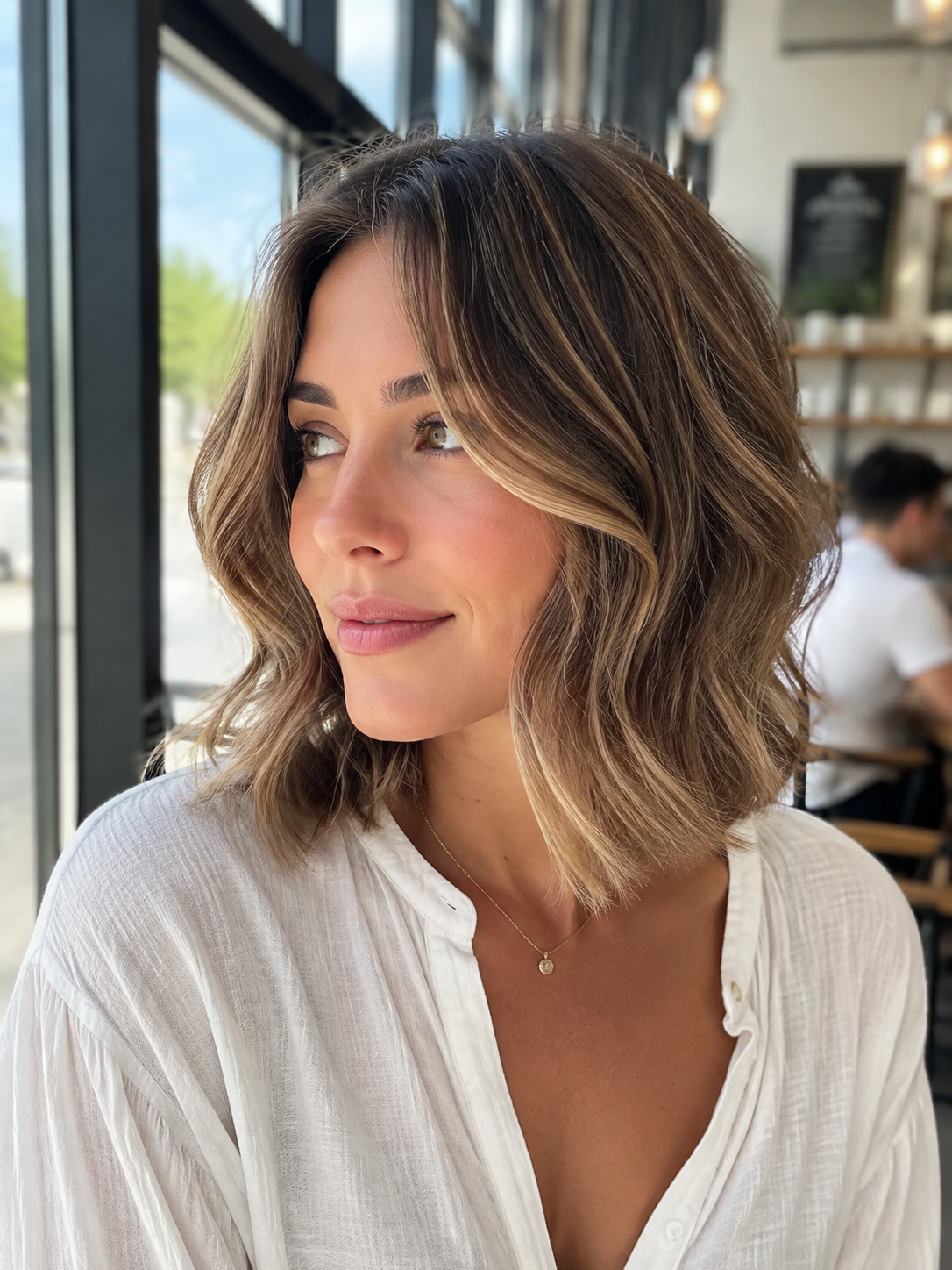
Loose waves through a layered bob amplify the movement the layers already provide, giving the whole cut a soft, effortless finish. Use a curling wand on alternating sections and run fingers through once cooled rather than brushing the curl out completely. Texturizing spray at the roots keeps the wave from falling flat by midday.
Curly Layered Bob
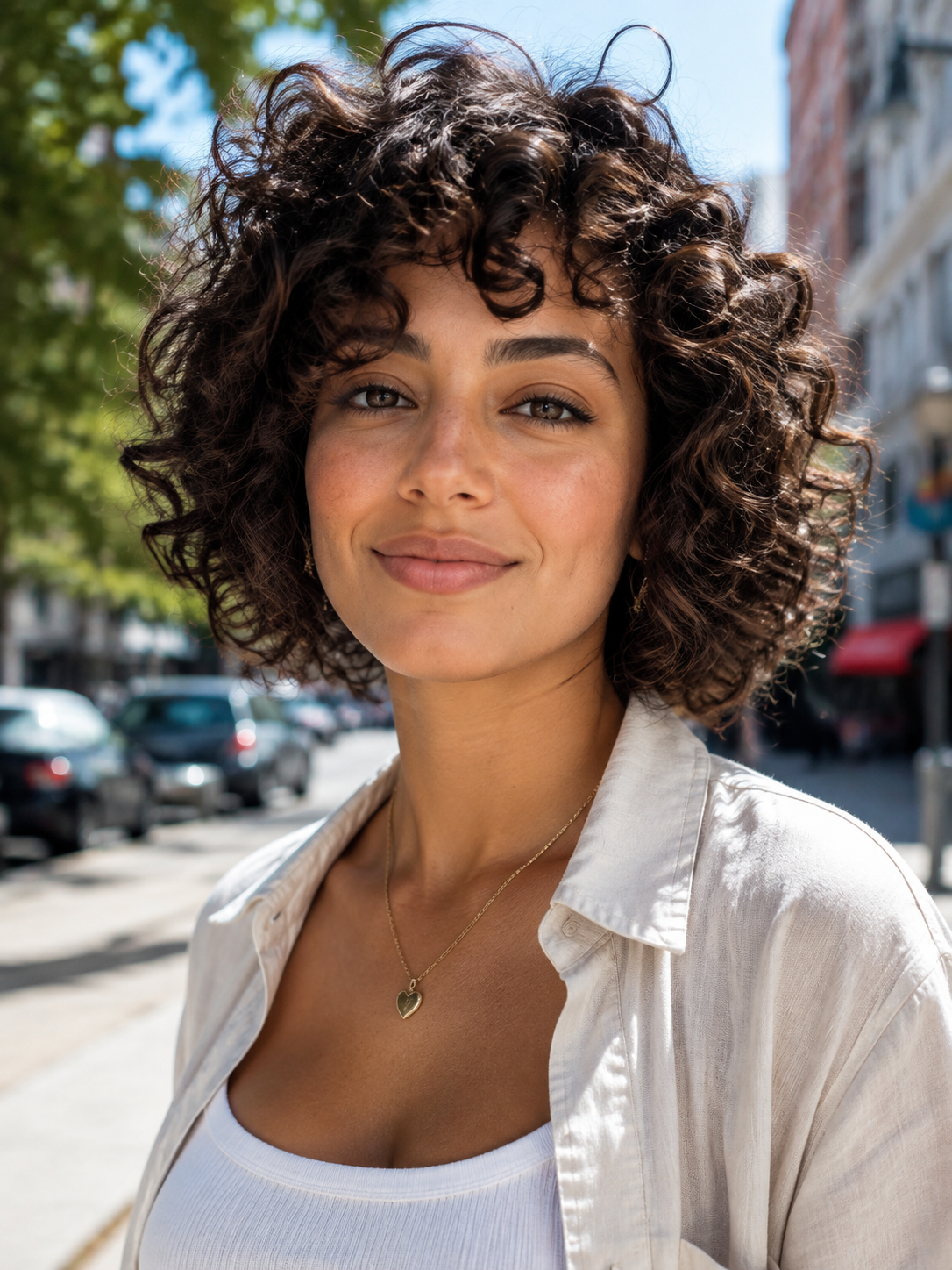
Layering on curly hair needs a dry cut, since curls sit shorter once they spring up from a stretched, wet length. Done well, the layers let each curl move independently instead of clumping into one dense shape. A curl cream applied to soaking wet hair keeps definition high and frizz to a minimum.
Stacked Layered Bob
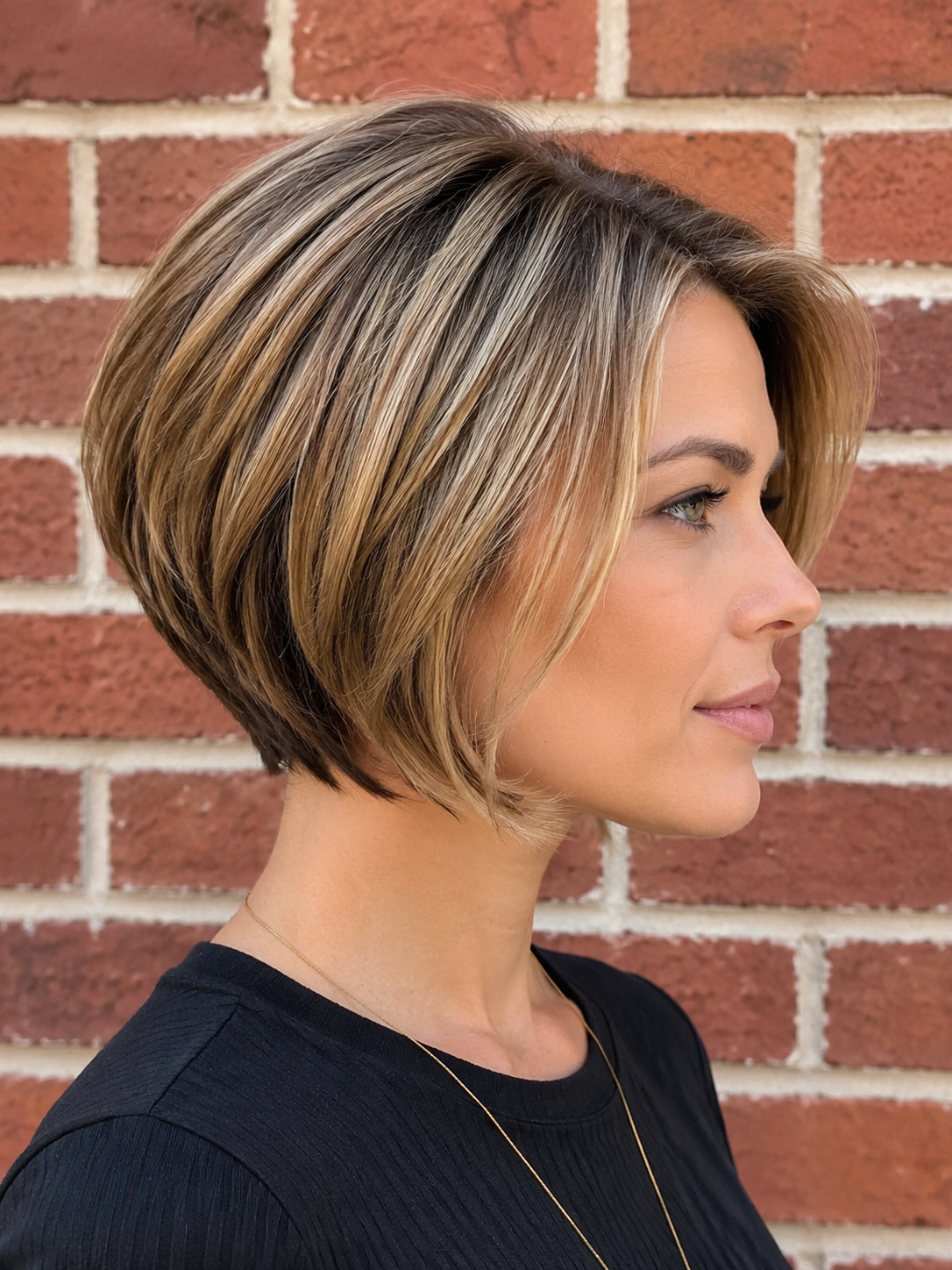
Stacking adds shorter internal layers concentrated at the crown and back, building volume and lift where hair often falls flattest. This technique works especially well on fine hair, since the stacked layers create the illusion of more density. Ask your stylist to keep the stacking above the nape rather than throughout the whole back.
Textured Layered Bob
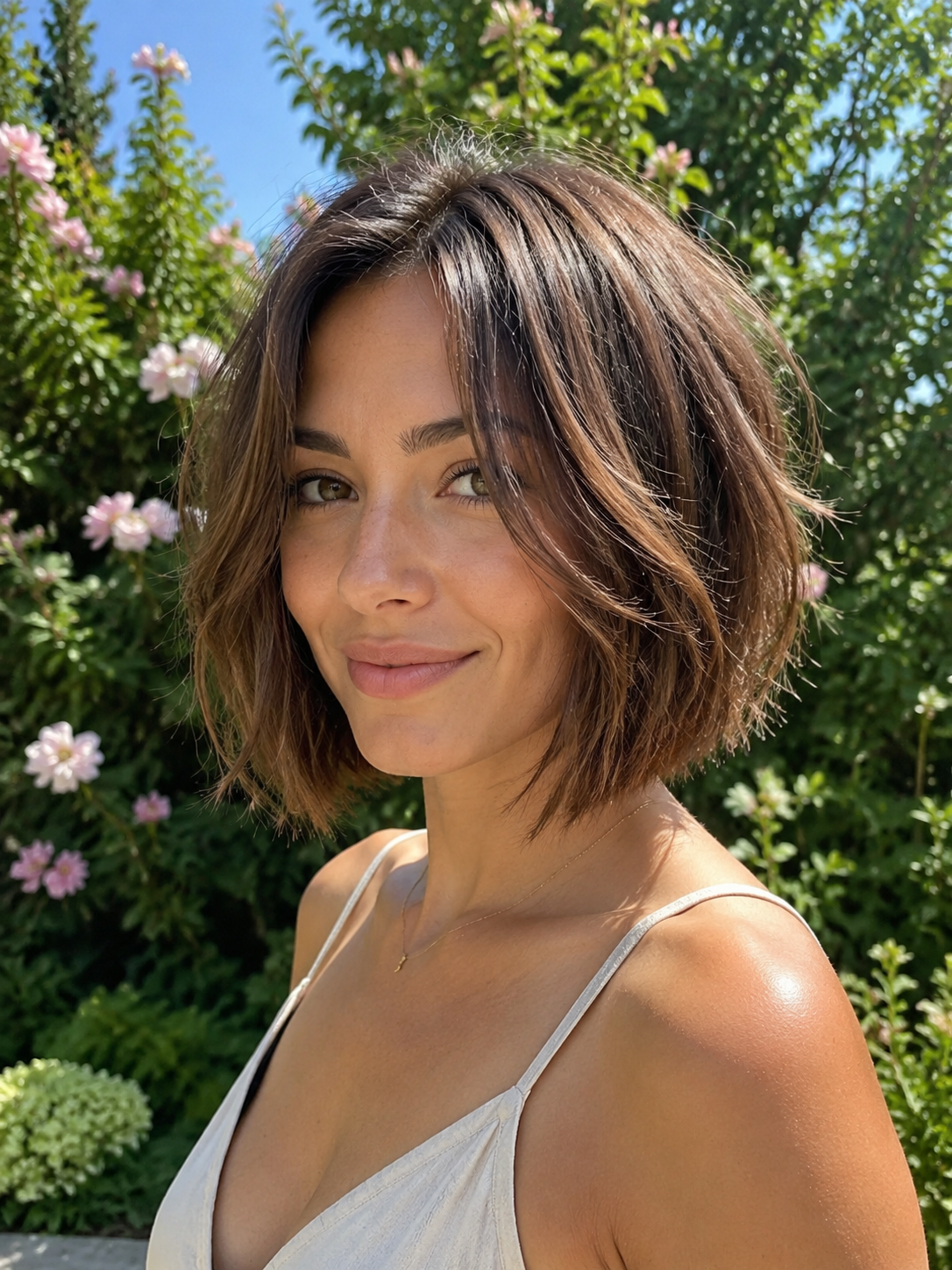
Point-cutting and razor work throughout a layered bob remove additional bulk, leaving soft, piece-y ends rather than one blunt line at each layer. This works especially well on thick hair that still feels heavy even after standard layering. Finish with a matte texture paste worked through with fingertips for definition.
Side-Swept Layered Bob
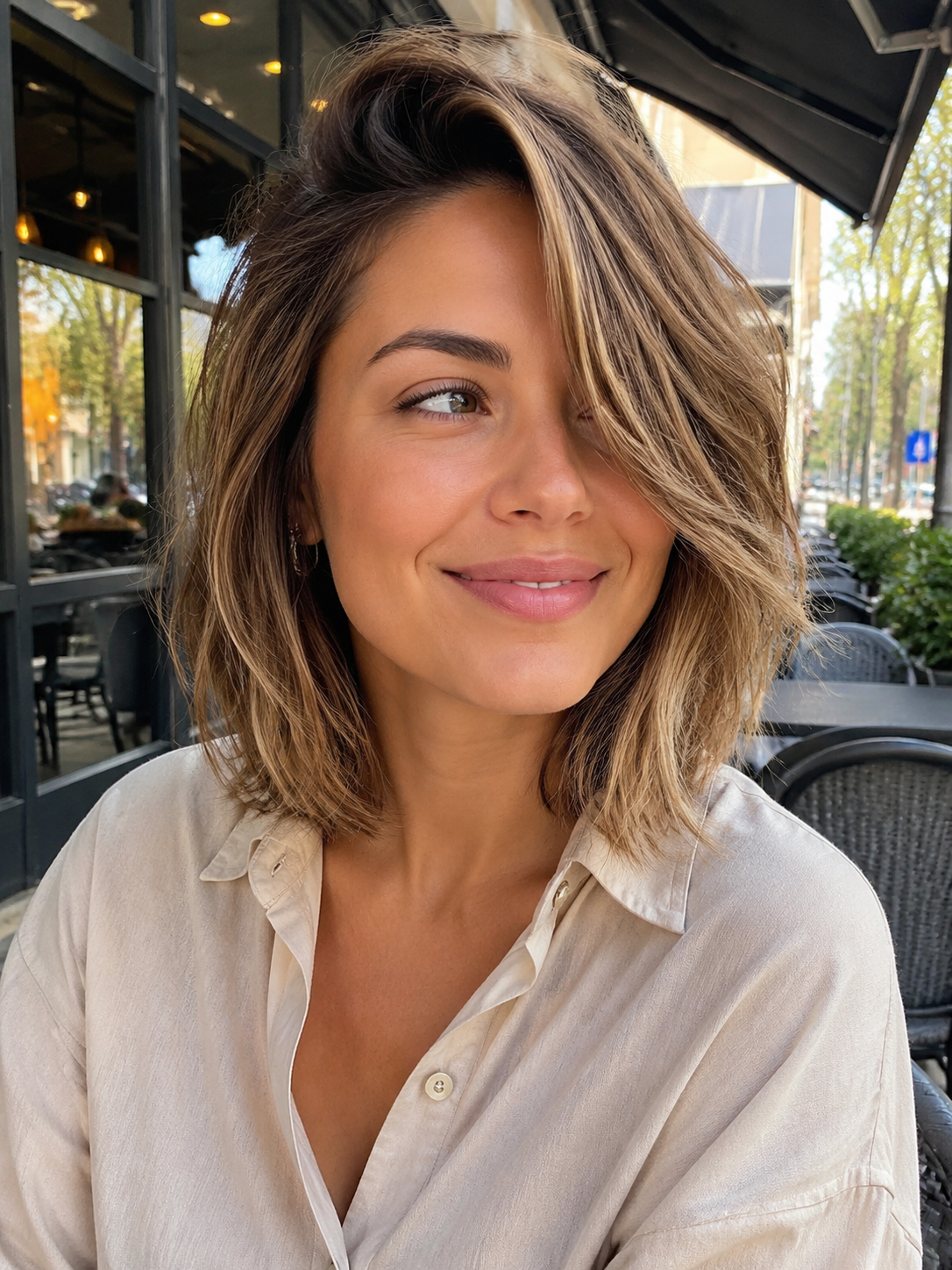
A deep side part combined with layers pulls extra volume and length toward one side, creating gentle asymmetry without an actual asymmetric cut. This part placement flatters rounder face shapes especially well, since it breaks up horizontal width. A small amount of pomade at the root keeps the part from sliding back to center.
Layered Bob with Highlights
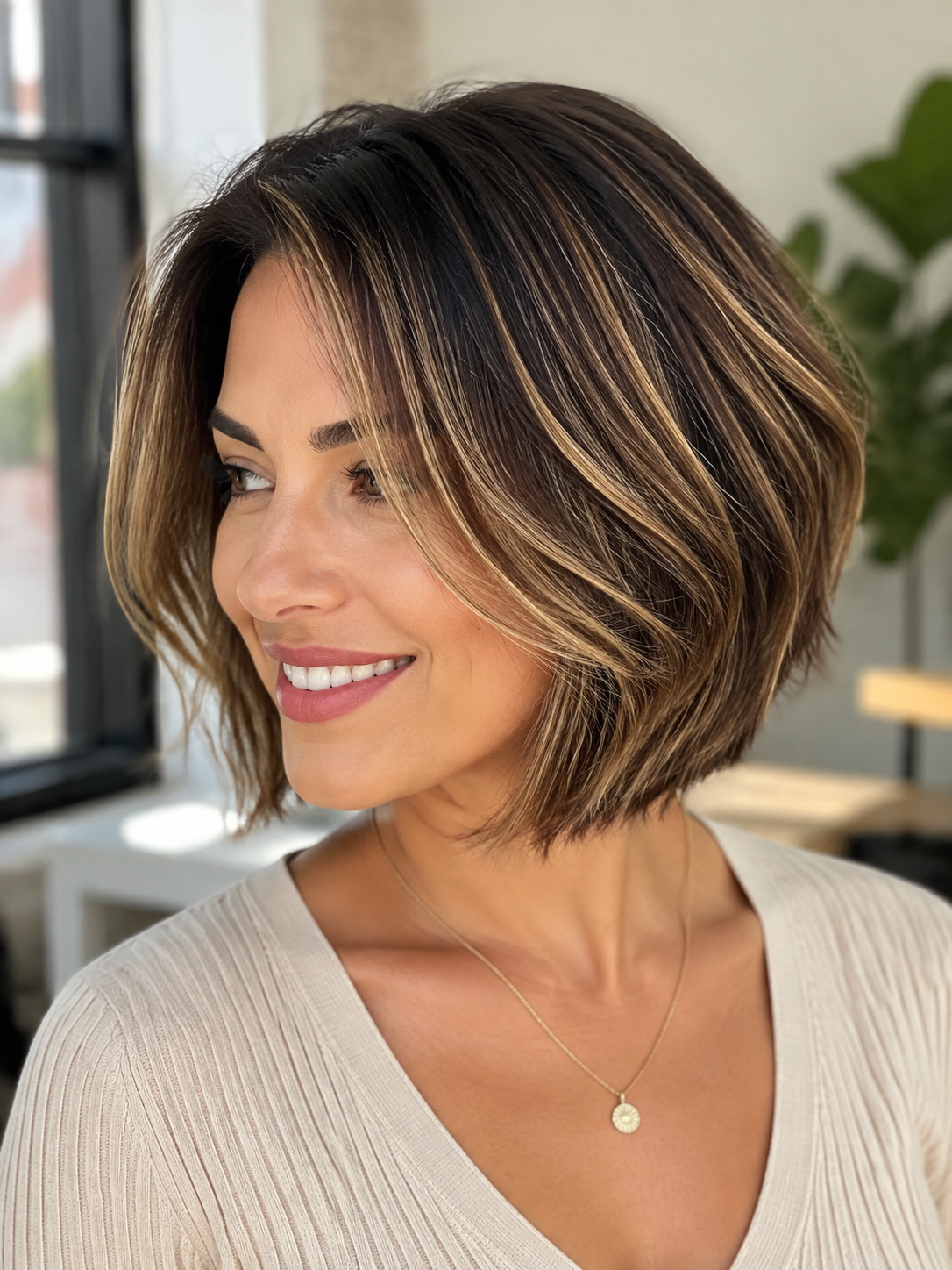
Highlights woven through a layered bob catch the light differently at each layer, adding dimension that a single flat color can’t match on its own. Placement matters here, concentrate lighter pieces around the face and crown where the layers naturally lift and separate. This combination photographs especially well in bright, natural light.
Voluminous Layered Bob
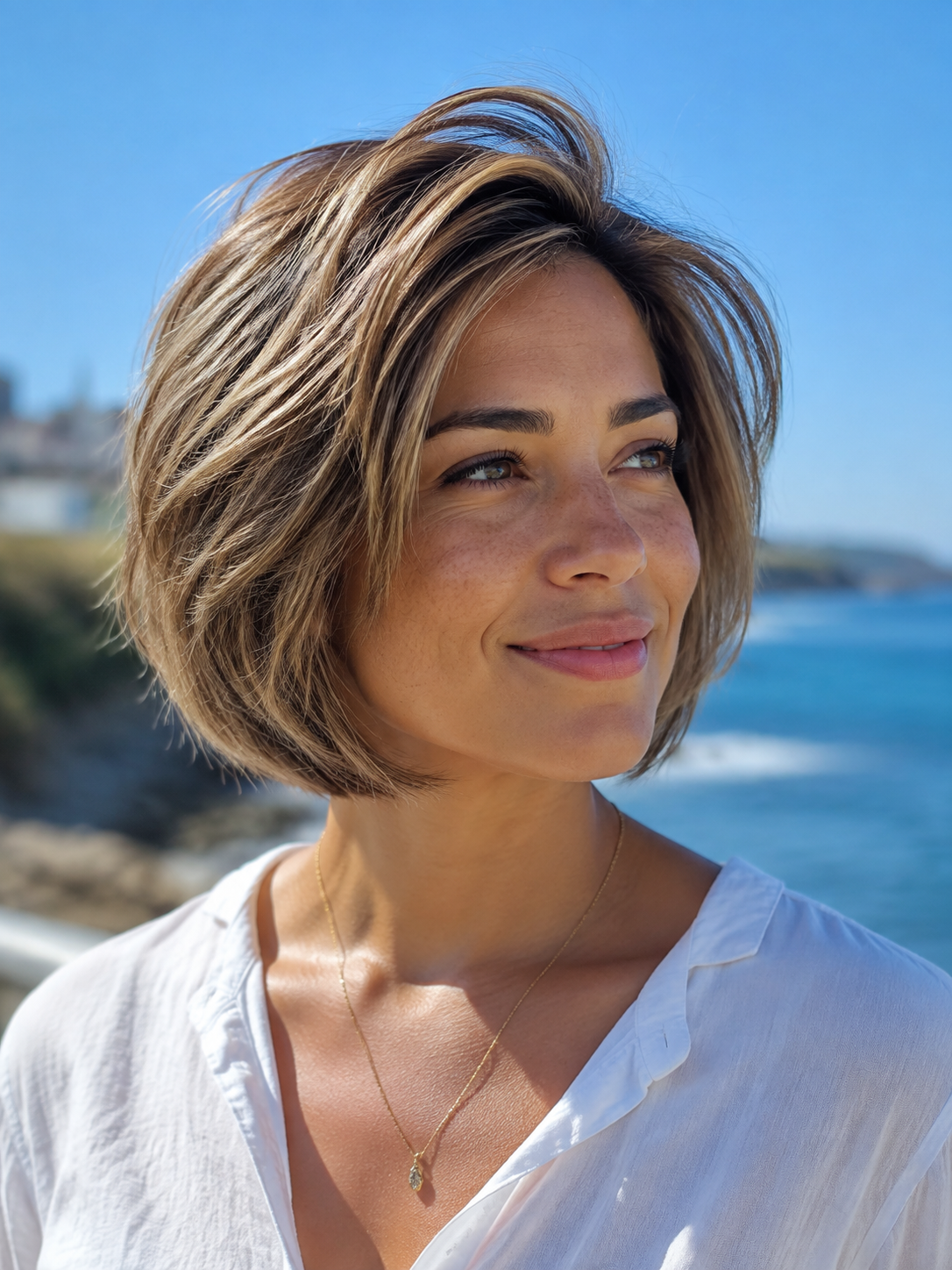
Root lifting spray combined with a round brush blowout gives a layered bob dramatic volume from the crown down through each layer. This works especially well on fine or thin hair that needs help looking fuller without extensions. Sleep with a silk bonnet to protect the volume overnight rather than flattening it against cotton.
Sleek Layered Bob
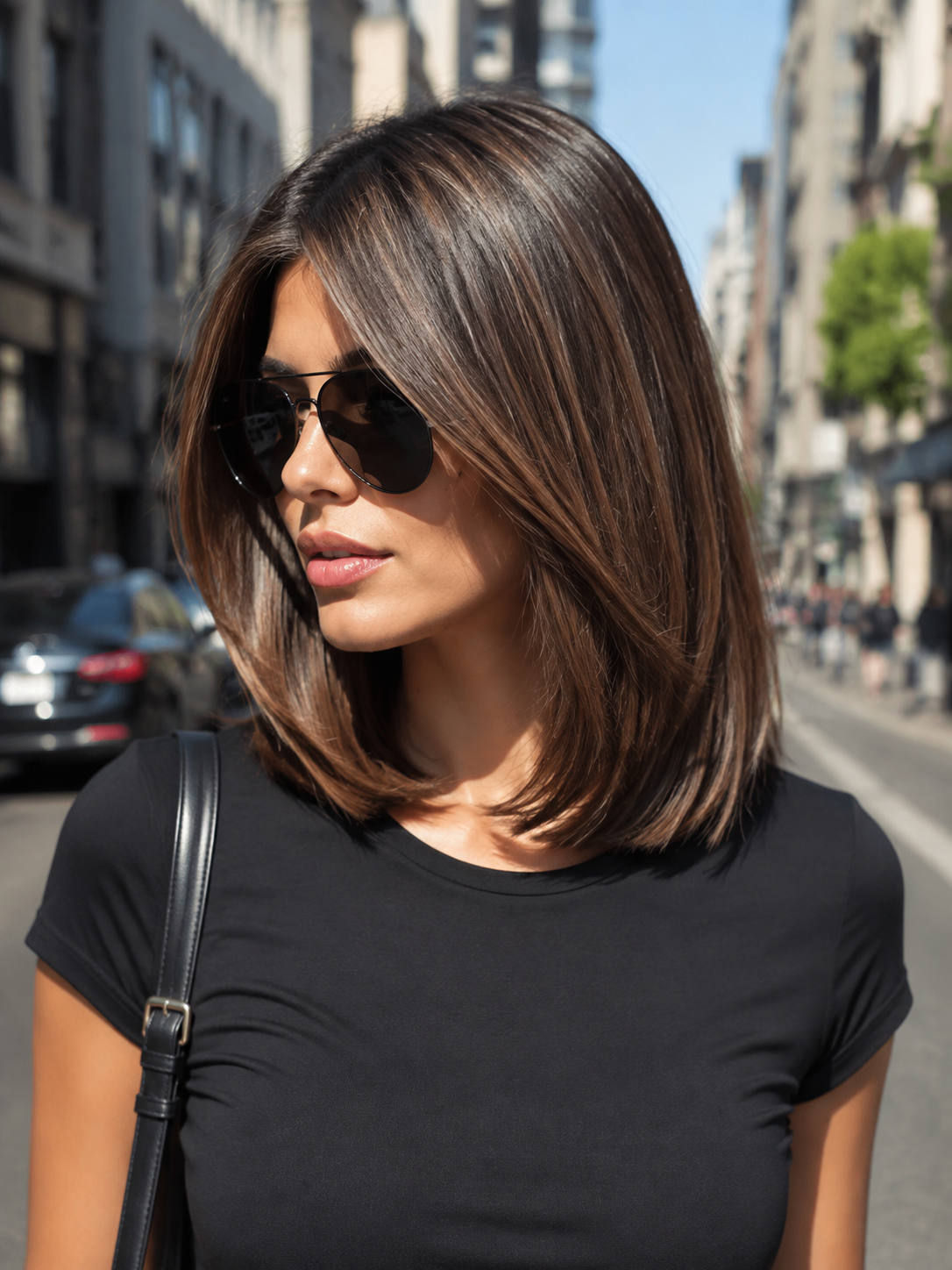
A flat iron pass smooths each individual layer into a glassy, polished finish rather than letting the natural separation between layers show. Work in small sections with a heat protectant applied first, then finish with a light-hold serum. This version depends heavily on healthy ends, since a sleek finish shows any damage immediately.
Undercut Layered Bob
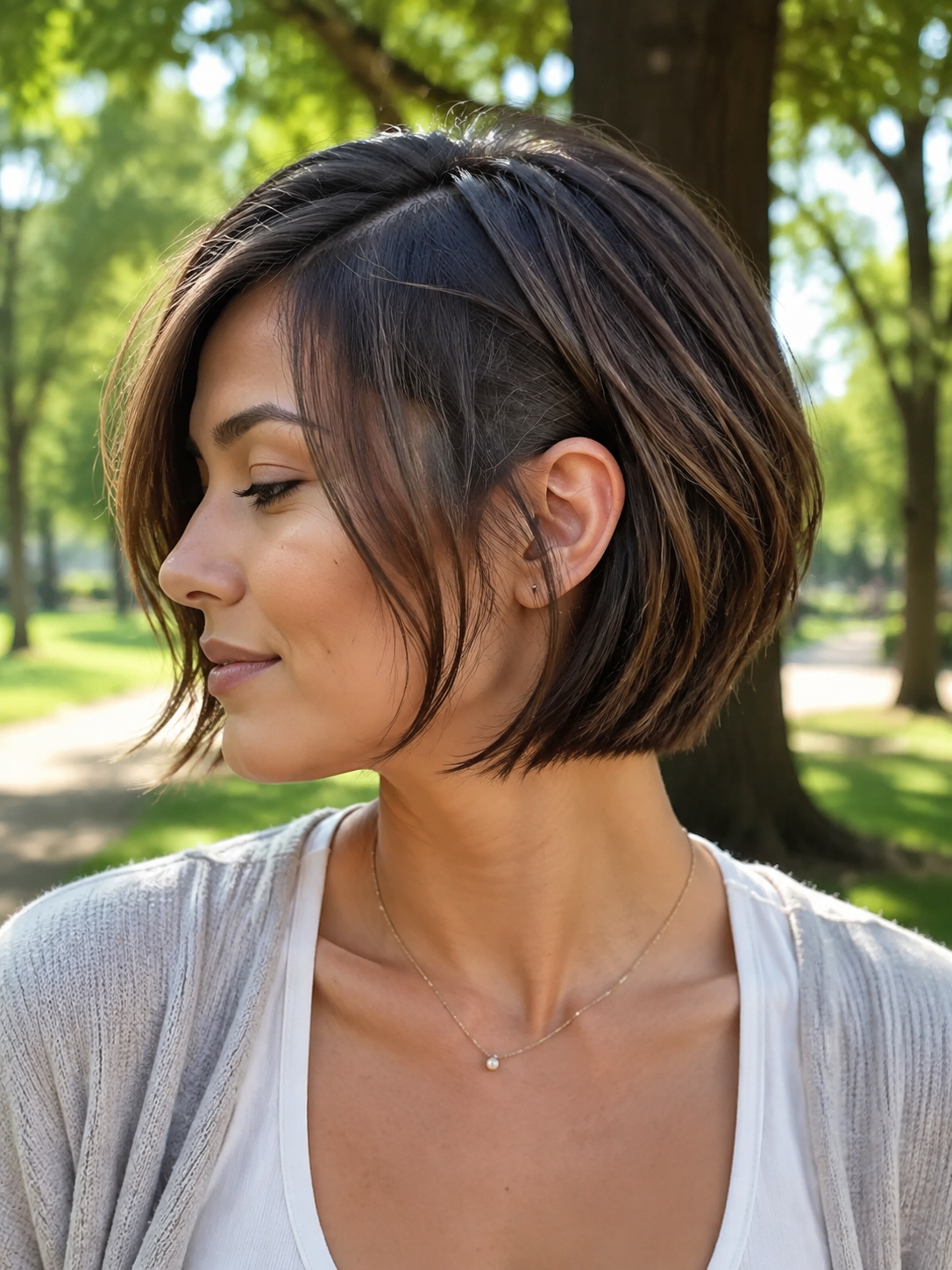
A hidden undercut beneath the visible top layer adds an edgier detail to a layered bob without disrupting the overall shape when hair is down. It’s a way to add contrast and personality that only shows up when you want it to, tucked behind an ear or pulled back. This style needs enough top-layer thickness to fully conceal the undercut underneath.