Dark blonde sits in the trickiest zone of the color wheel, light enough to read as blonde in the sun but dark enough to avoid the upkeep of a full lift. Get the undertone wrong and it looks accidentally brown or worse, brassy by week three. Here are 18 ways to wear it that actually hold their tone between salon visits.
Ash Dark Blonde
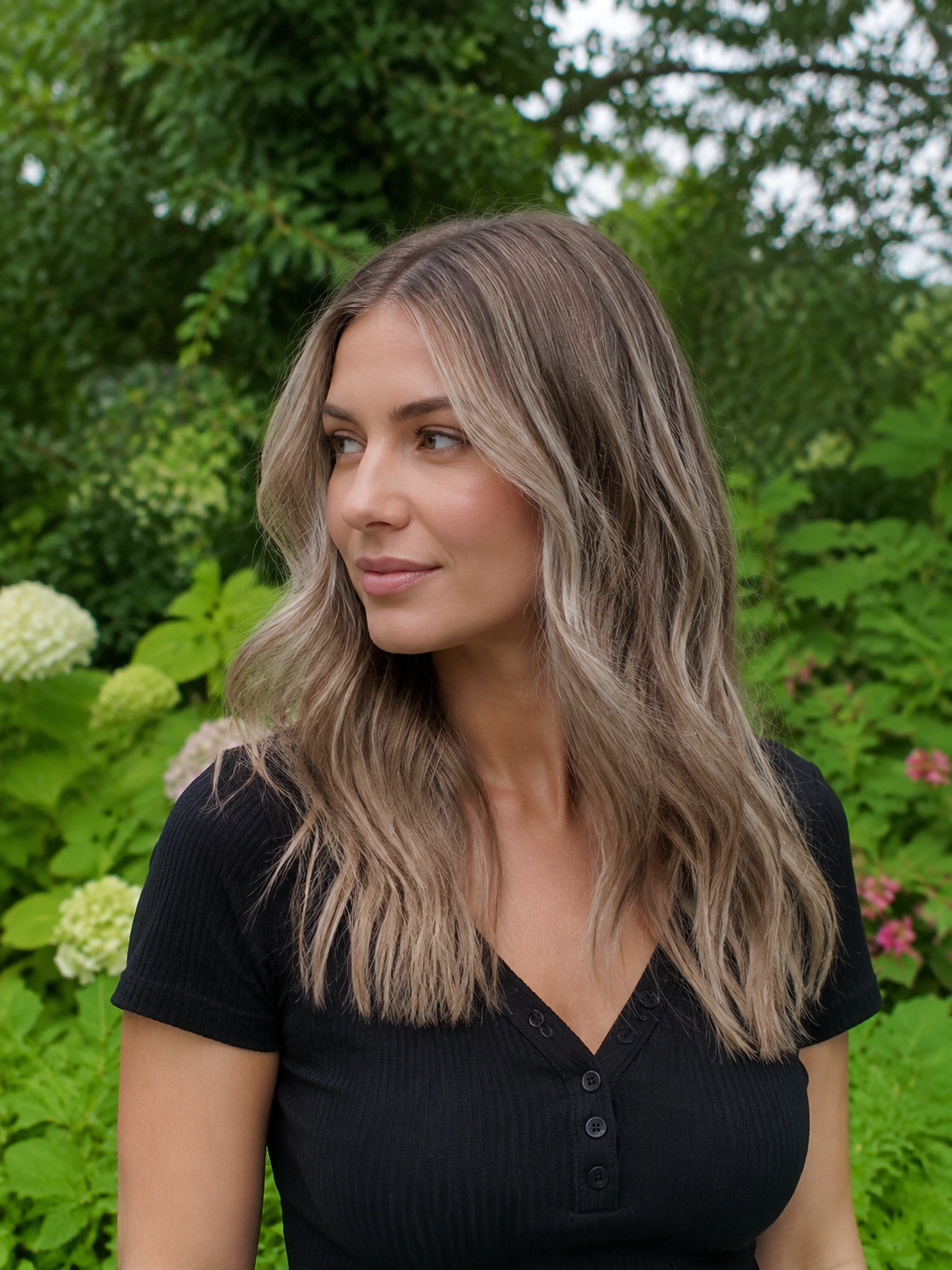
Ash tones cancel out warmth, giving dark blonde a cooler, almost smoky finish instead of a golden one. This shade needs purple shampoo in the rotation weekly, since ash tones fade toward brass faster than warmer ones. It photographs especially well in bright, cool light, where the smoky undertone reads clearly.
Golden Dark Blonde
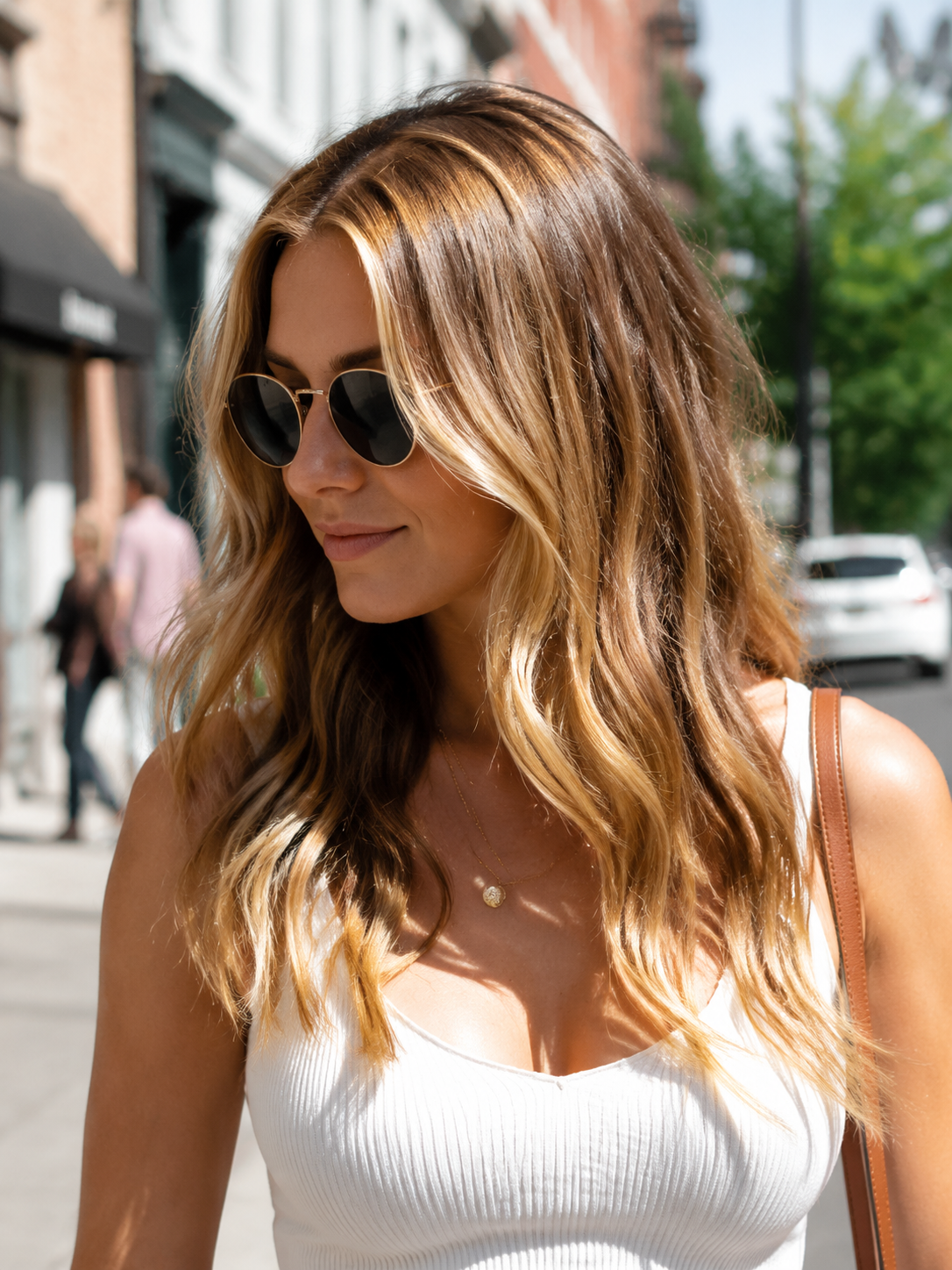
A warm, honeyed undertone runs through this version of dark blonde, giving it a sun-touched quality even through the colder months. Warmer blondes hold their tone longer between toning appointments than ash shades do. This one pairs particularly well with warmer skin tones and hazel or brown eyes.
Bronde Dark Blonde
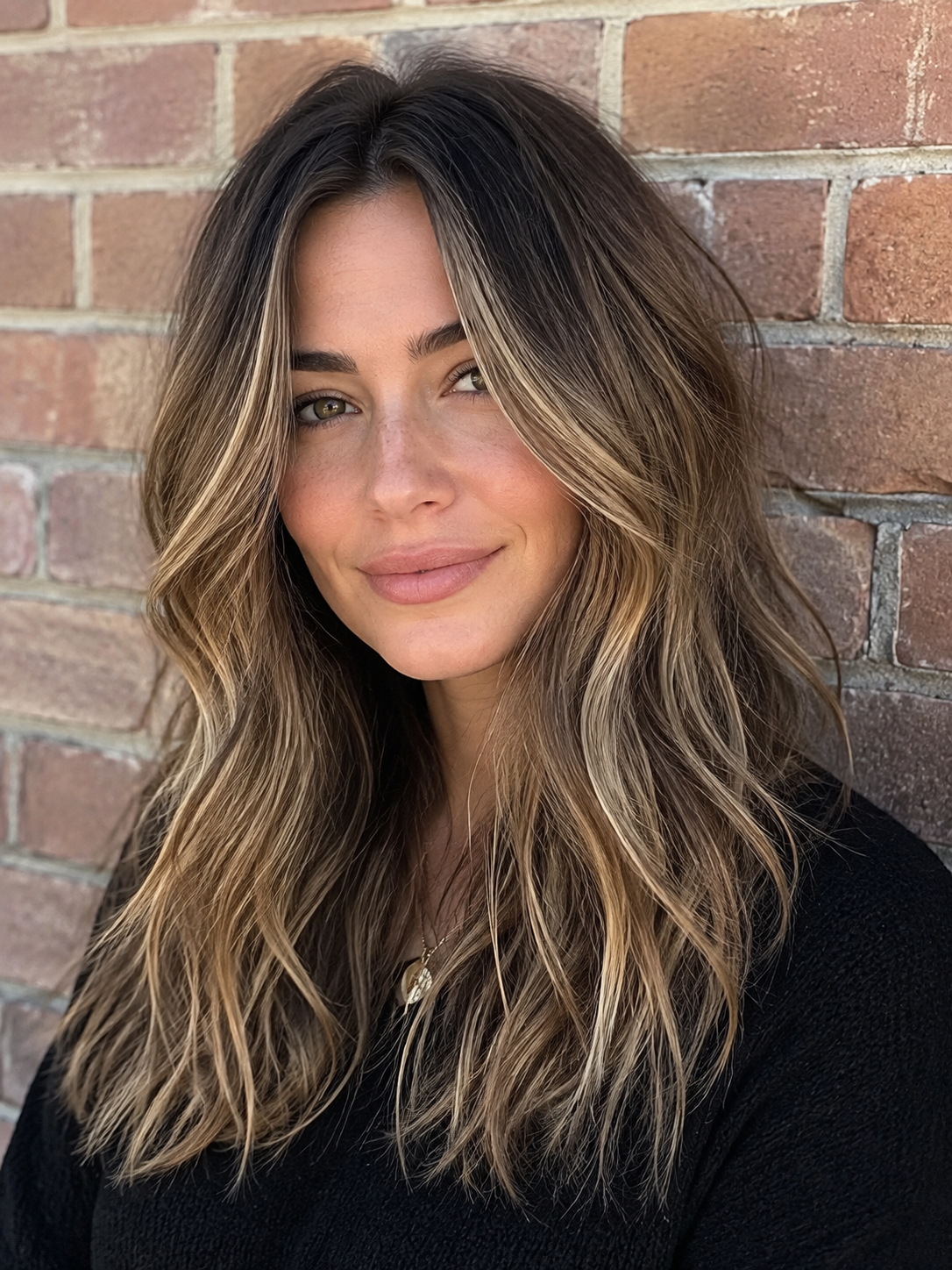
Bronde blends brown and blonde in close, low-contrast strands, sitting right at the line between the two categories. It’s one of the lowest-maintenance dark blonde options, since the brown base means regrowth is barely noticeable for months. Ask for the blonde pieces concentrated around the face for the most flattering placement.
Dark Blonde Balayage
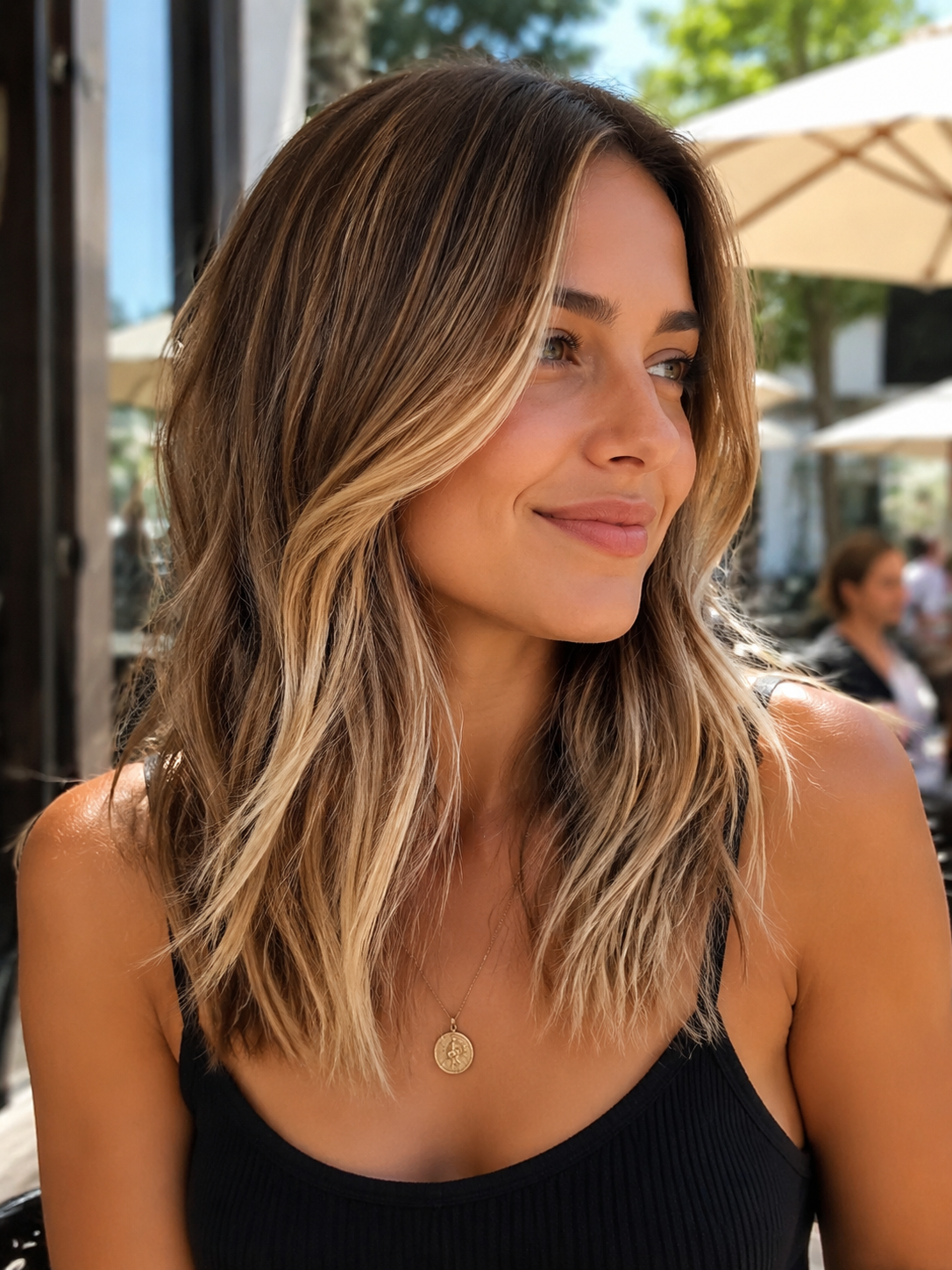
Hand-painted balayage on a dark blonde base creates a soft, sun-kissed gradient without the harsh line of foiled highlights. This technique grows out gracefully since the color is painted with movement in mind from the start. Expect touch-ups every three to four months rather than the six-week cycle foils usually require.
Dark Blonde Babylights
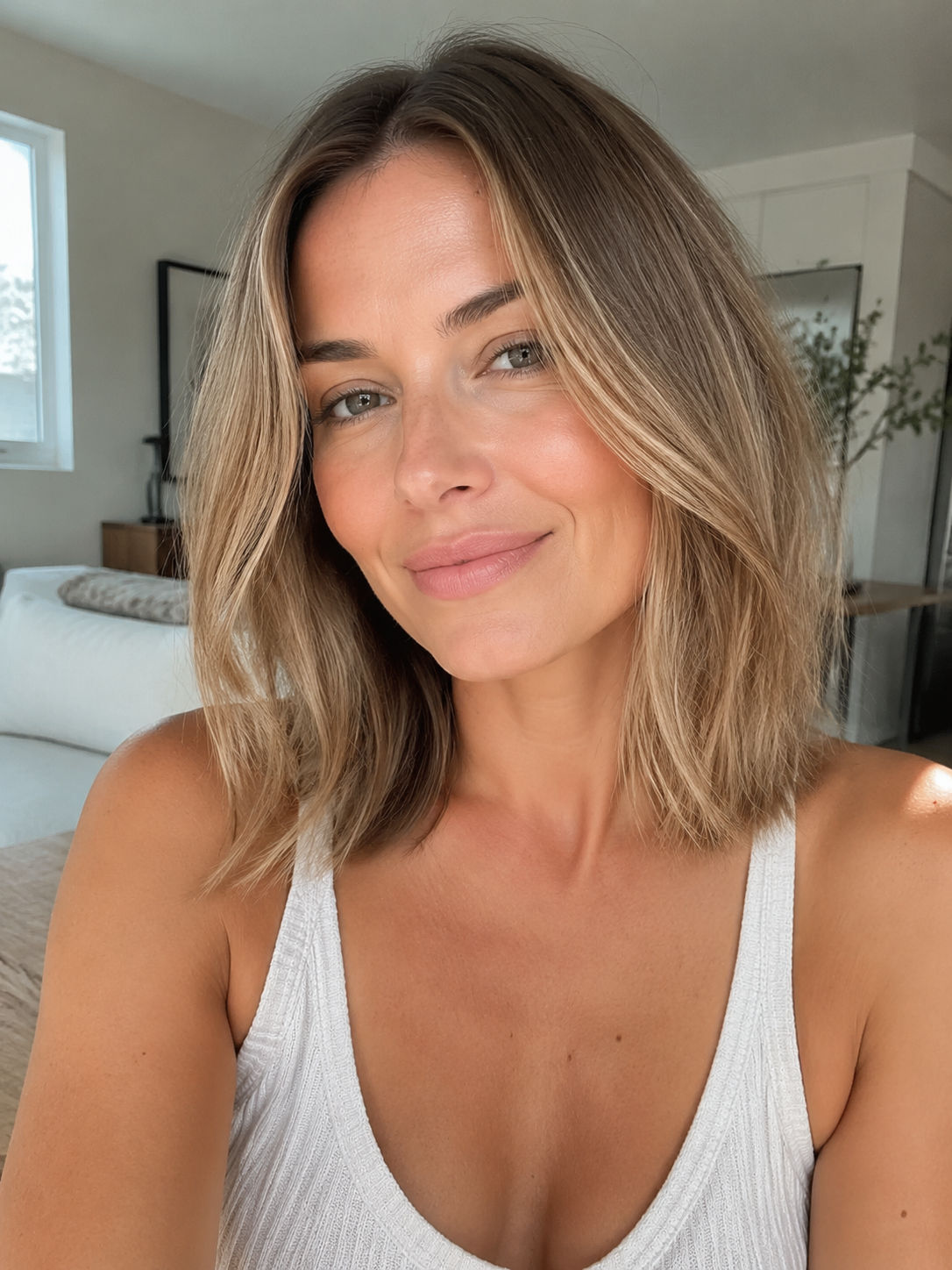
Babylights use extremely fine highlights woven throughout for a subtle, barely-there lift rather than dramatic contrast. This technique takes noticeably longer in the chair than chunkier highlights, but it delivers the most natural-looking result. It’s an especially good option if you want dimension without committing to an obvious color change.
Dark Blonde Money Piece
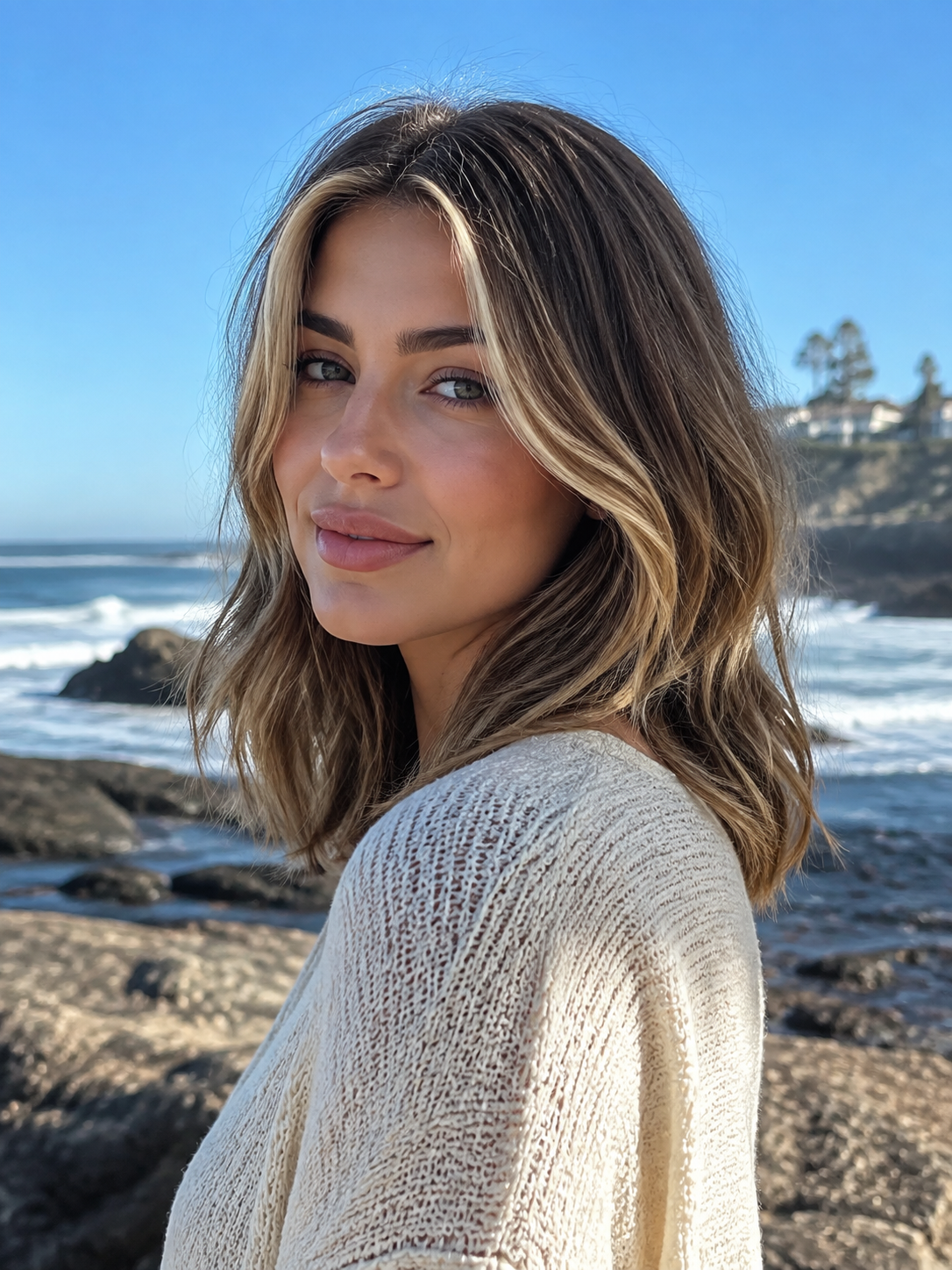
A brightened section framing the face, left noticeably lighter than the rest of a dark blonde base, draws attention straight to your features. This is one of the lower-commitment ways to go blonde, since only a small section needs regular attention. Keep the base color close to natural for the most seamless transition.
Dark Blonde Root Melt
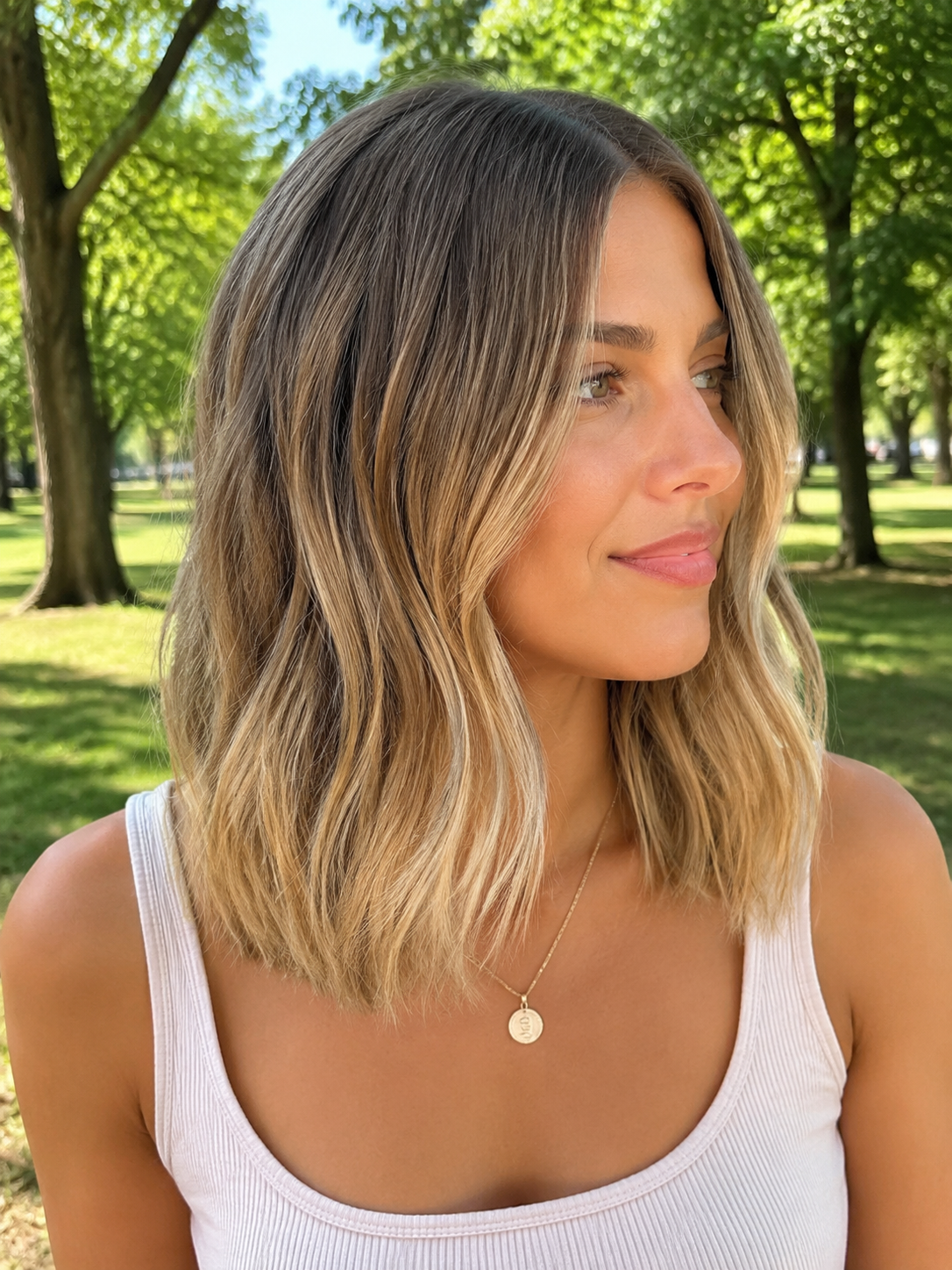
A root melt blends your natural root color gradually into a lighter dark blonde through the mid-lengths and ends. This is the lowest-maintenance option on this list, since the soft gradient means regrowth barely shows for months at a time. It works especially well for anyone transitioning from a darker natural color.
Dark Blonde Ombré
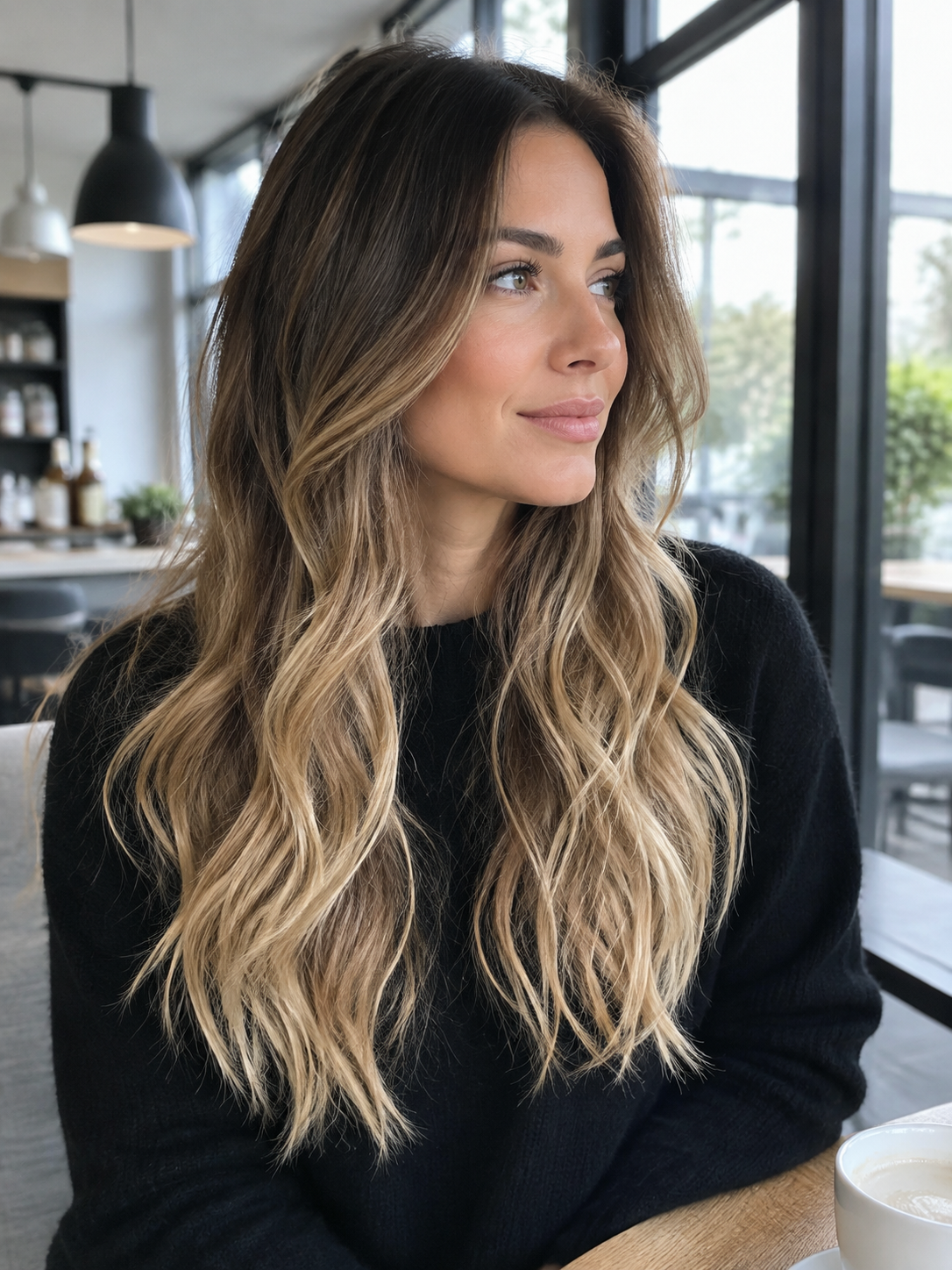
Ombré keeps the root noticeably darker before transitioning into dark blonde through the ends, creating a clear, deliberate gradient rather than a subtle blend. This version reads bolder than a root melt, with more visible contrast between the two tones. It suits longer hair best, since the gradient needs length to fully develop.
Dark Blonde Lowlights
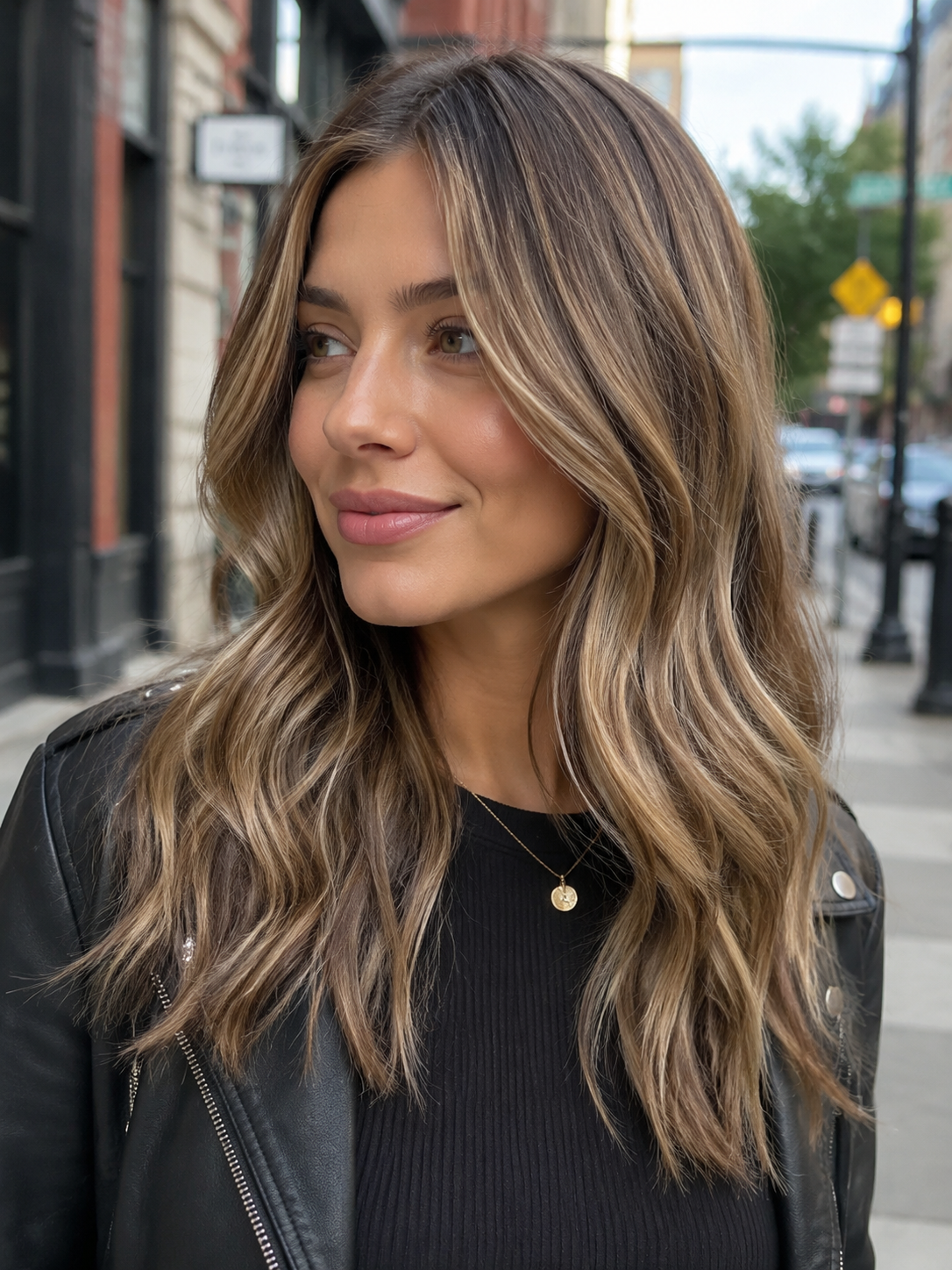
Lowlights woven through an existing blonde base add depth and dimension, preventing the color from looking flat or one-note. This technique is especially useful if a previous all-over blonde has faded and needs some richness added back in. Ask for the lowlights placed underneath the top layer for a more natural, dimensional effect.
Dark Blonde Peekaboo Highlights
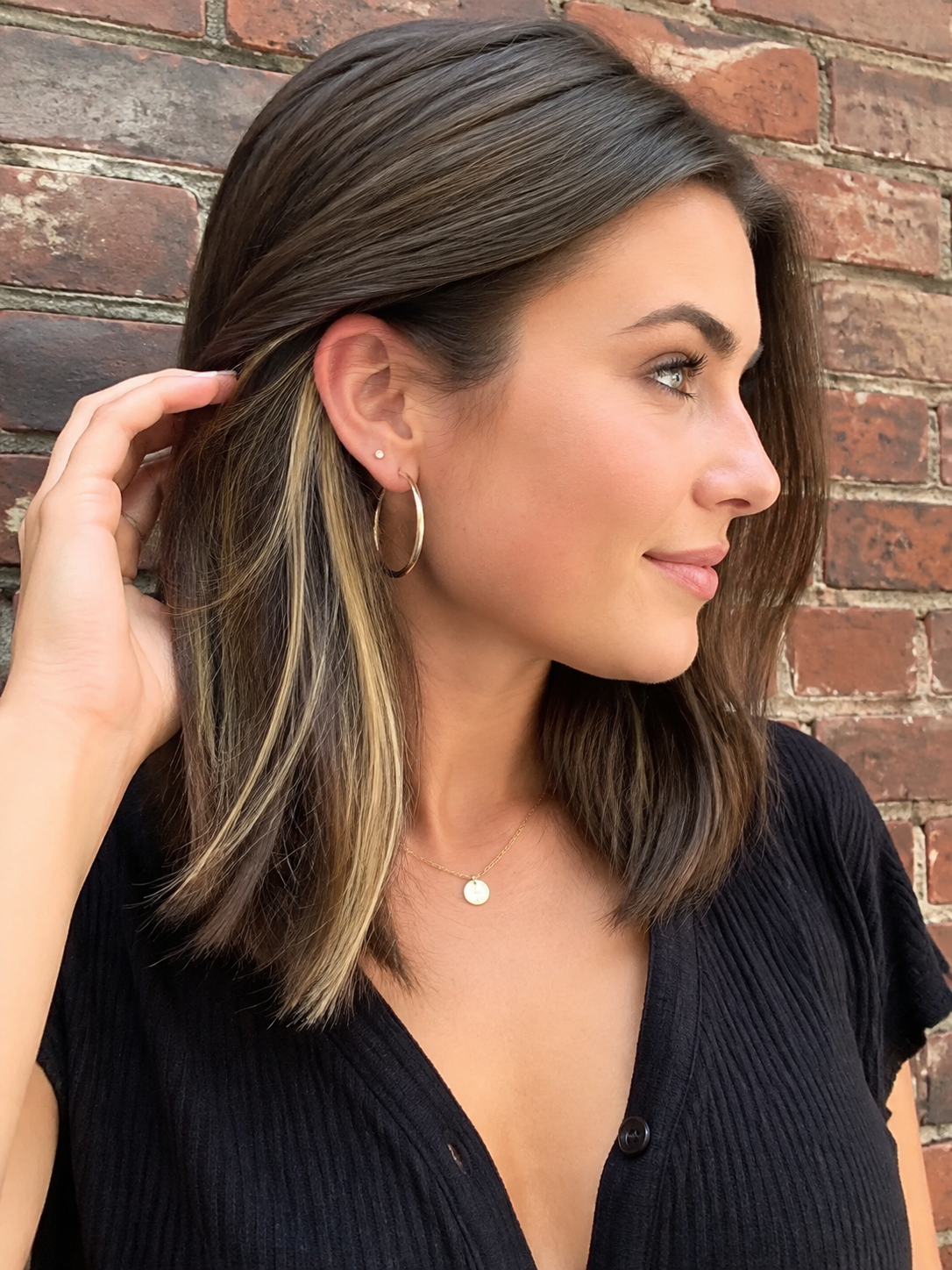
Peekaboo highlights sit underneath the top layer of hair, hidden until you tuck it behind an ear or pull it into a ponytail. This placement lets you add a bolder or lighter blonde tone without it dominating the overall look day to day. It’s a fun, lower-commitment way to experiment with contrast.
All-Over Dark Blonde
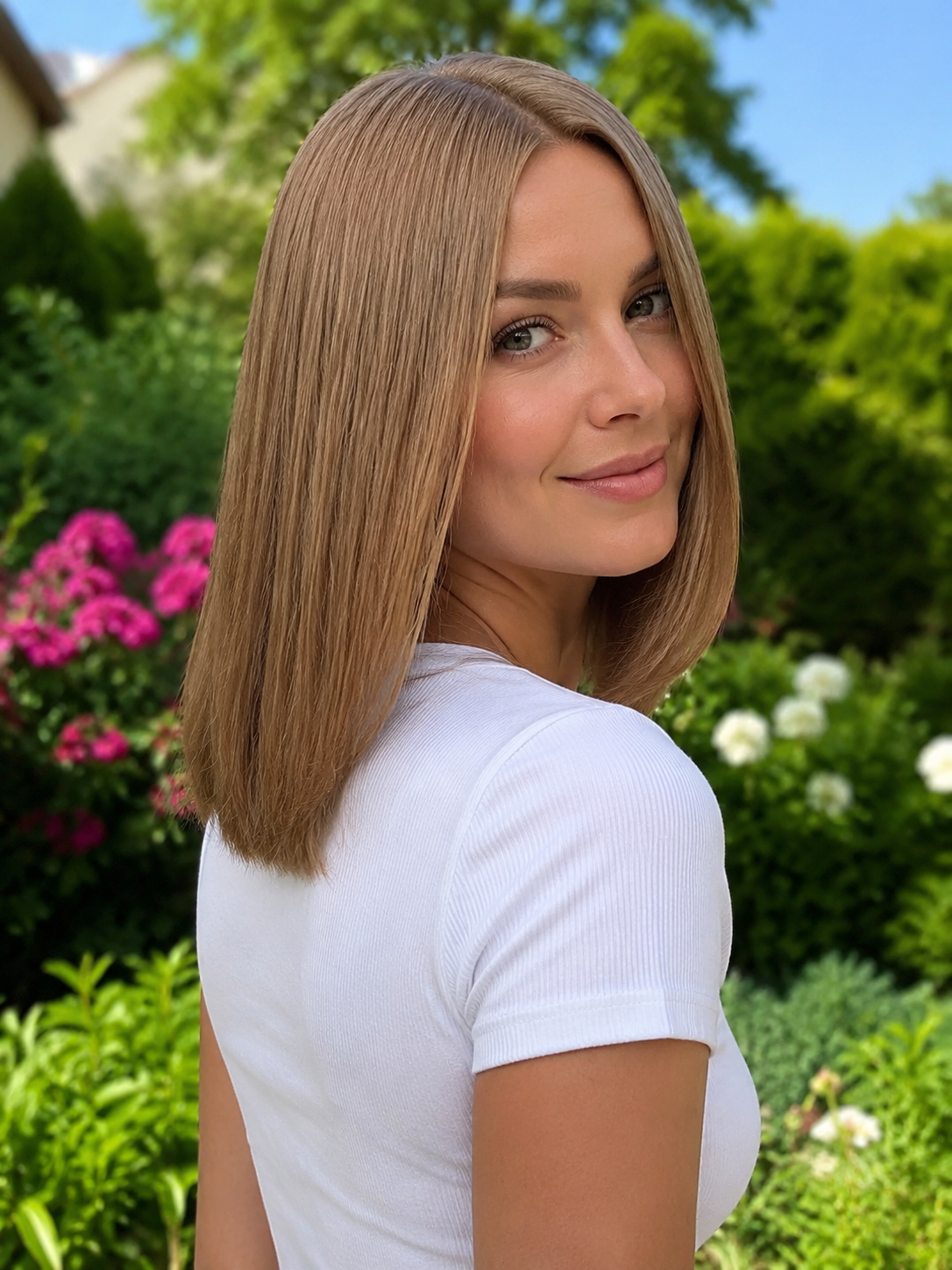
A single-process, all-over dark blonde gives the most uniform, consistent color throughout, with no dimension or contrast built in. This option needs the most frequent root touch-ups of anything on this list, typically every four to six weeks. Purple shampoo weekly keeps the tone cool and prevents warmth from creeping in.
Dark Blonde with Face-Framing Highlights
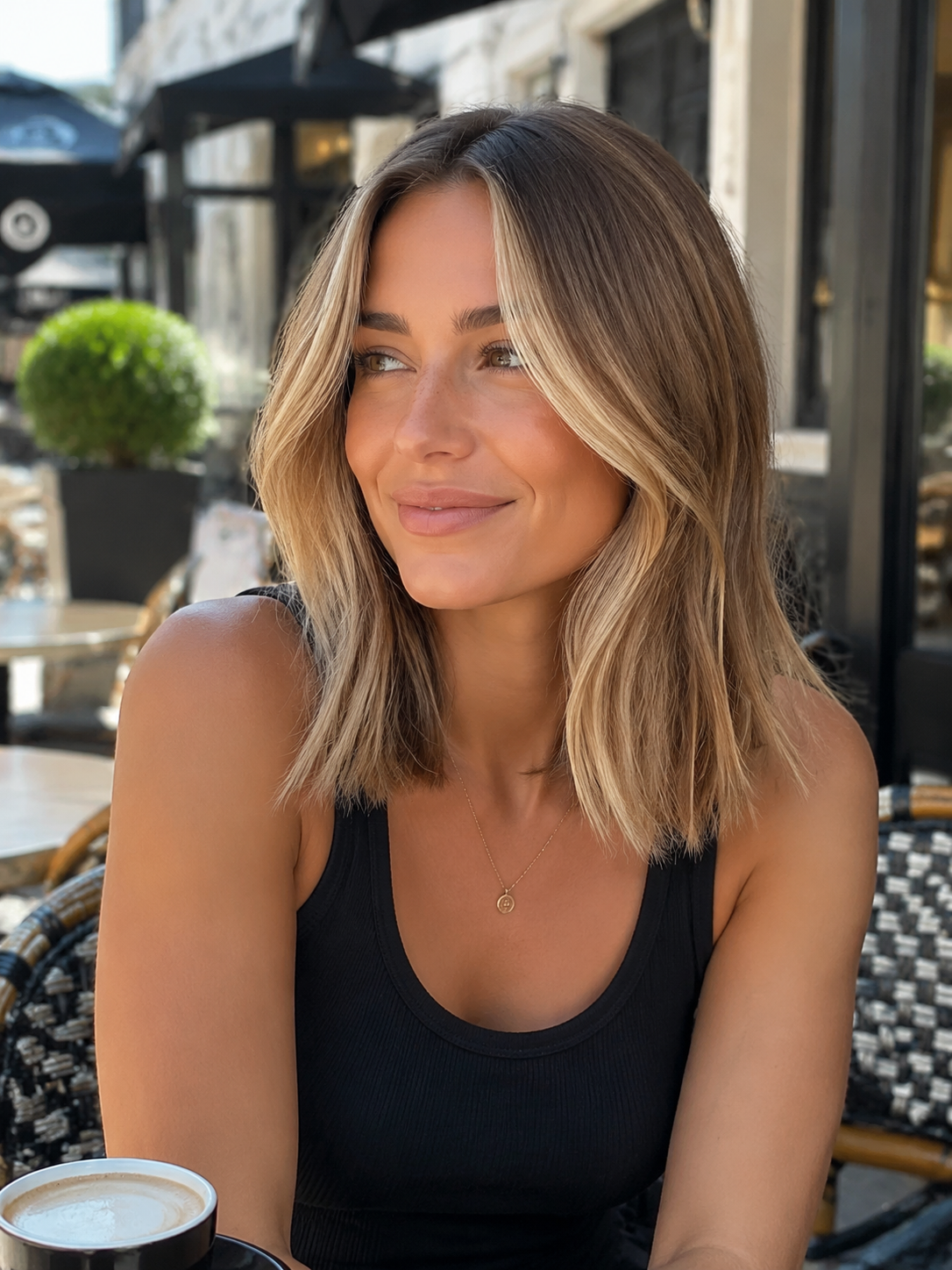
Concentrated highlights just around the face brighten your features without lightening the rest of a dark blonde base. This placement draws the eye upward and works well on nearly every face shape. It requires far less maintenance than all-over highlights, since only the front section needs regular attention.
Chocolate Dark Blonde
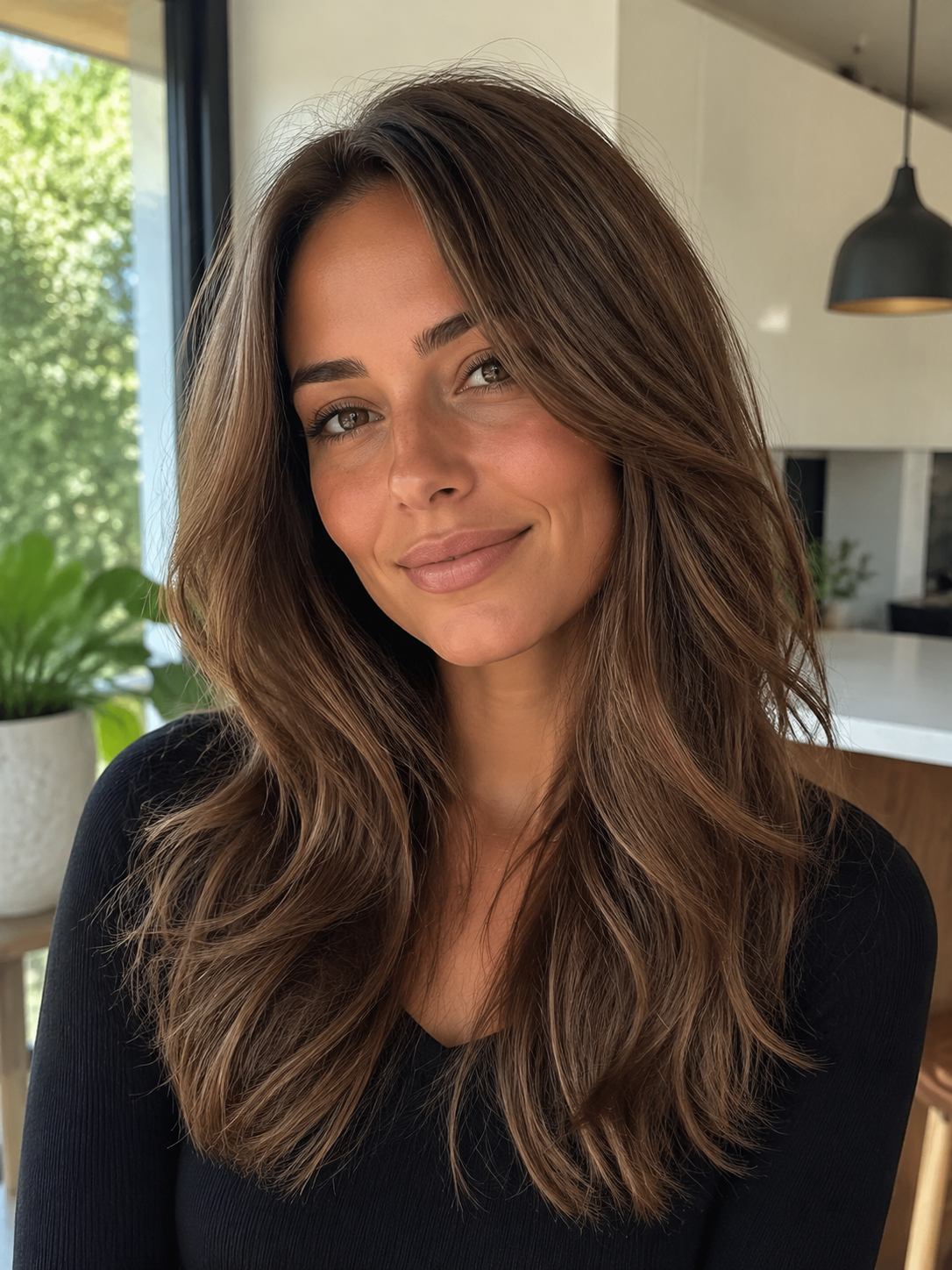
A cooler, chocolate-leaning undertone gives dark blonde a richer, more grounded depth than a typical honey or golden version. This shade works especially well transitioning out of a fully brunette color, since it keeps enough warmth to feel like a gradual shift rather than a dramatic jump. Gloss treatments every six to eight weeks keep the tone rich.
Beige Dark Blonde
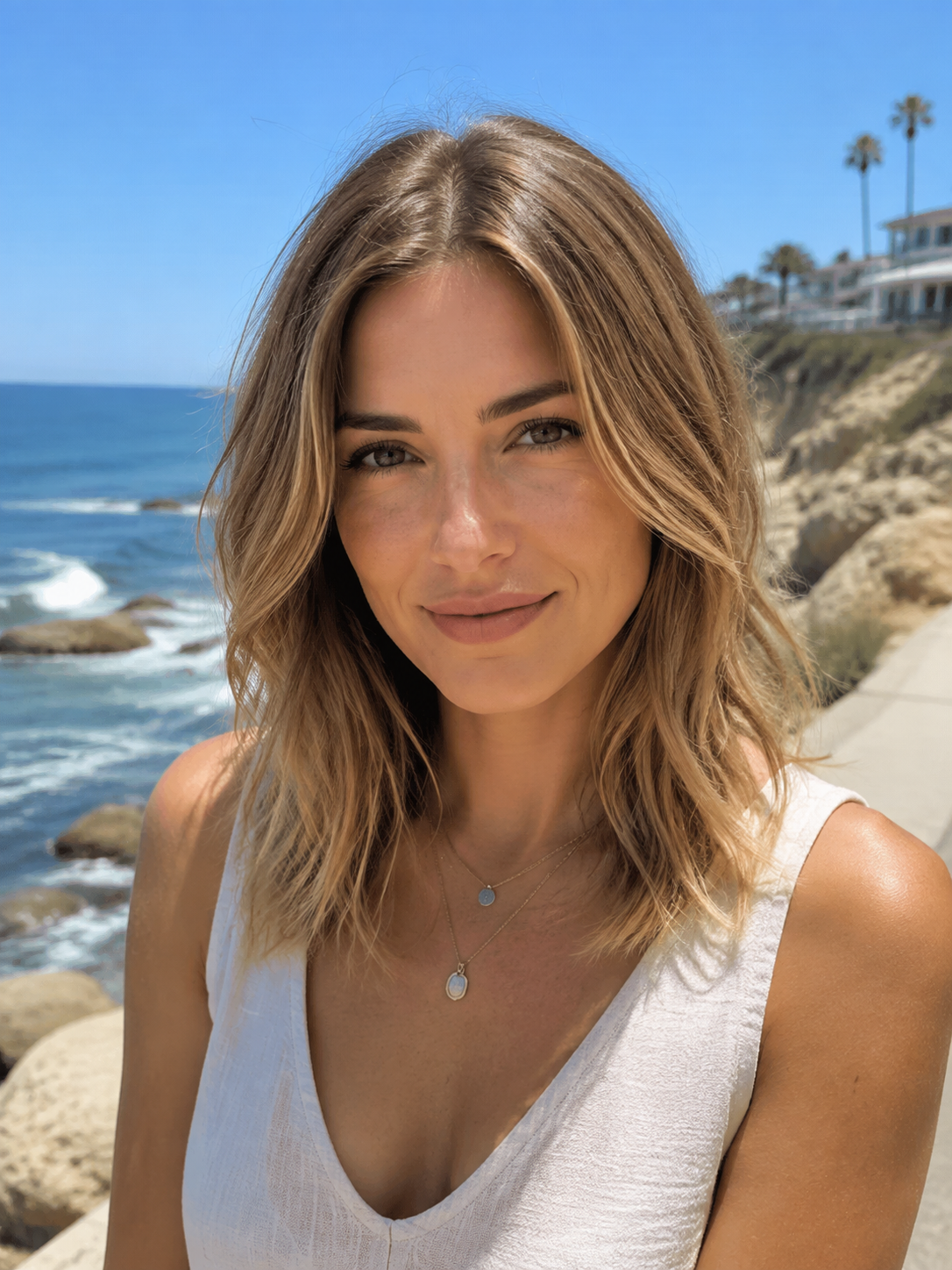
Beige blends cool and warm tones evenly, avoiding both the brassiness of gold and the flatness of pure ash. It’s one of the more universally flattering dark blonde shades, since the balanced undertone works across a wide range of skin tones. A weekly toning conditioner keeps the balance from drifting warm.
Dark Blonde with Highlights and Lowlights
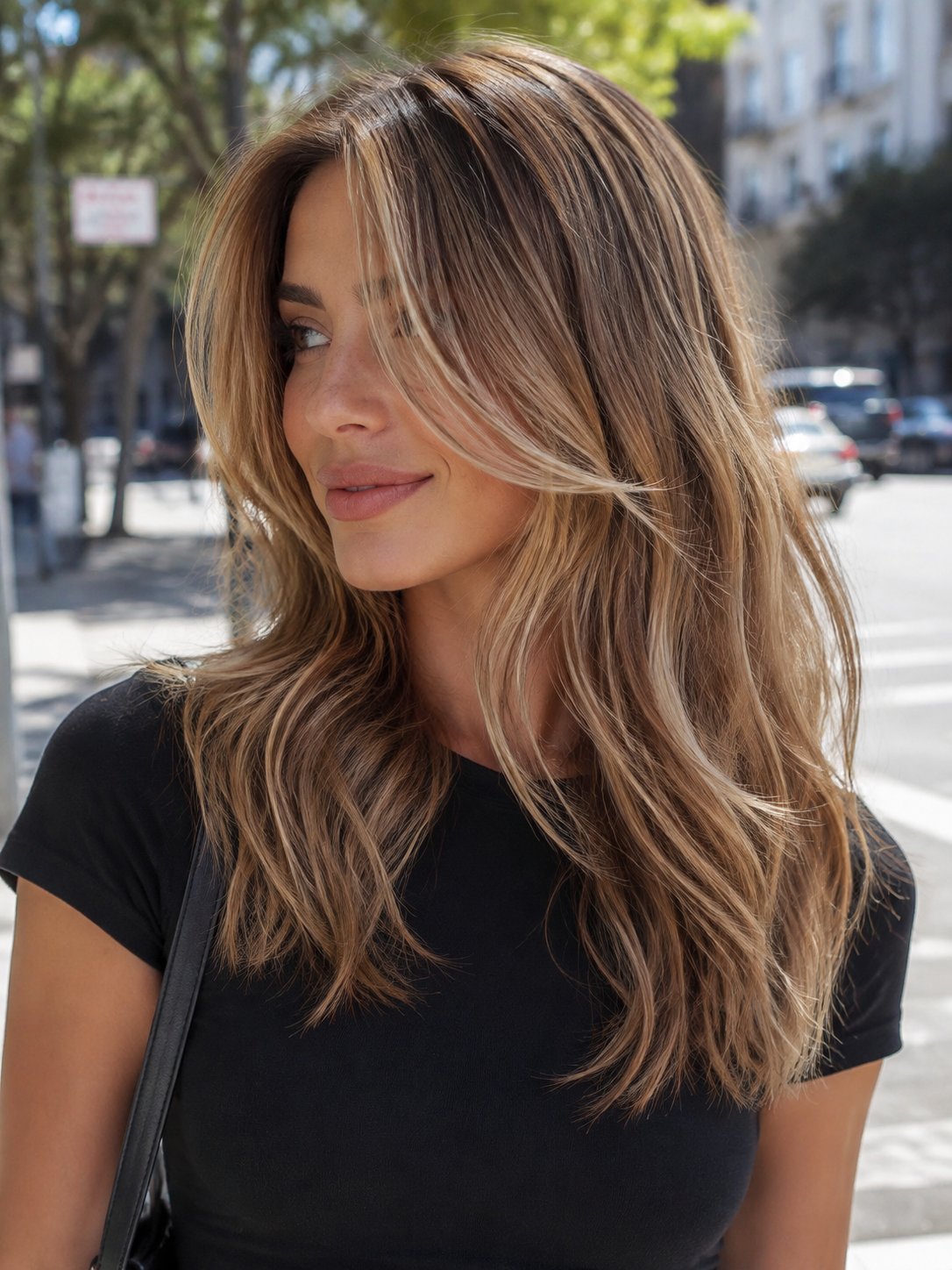
Combining highlights and lowlights throughout a dark blonde base creates multi-dimensional color with both lighter and darker pieces woven together. This technique gives the most textured, dimensional result of any option here, since light bounces differently off each section. It suits thicker hair especially well, where the dimension has more surface area to show.
Sandy Dark Blonde
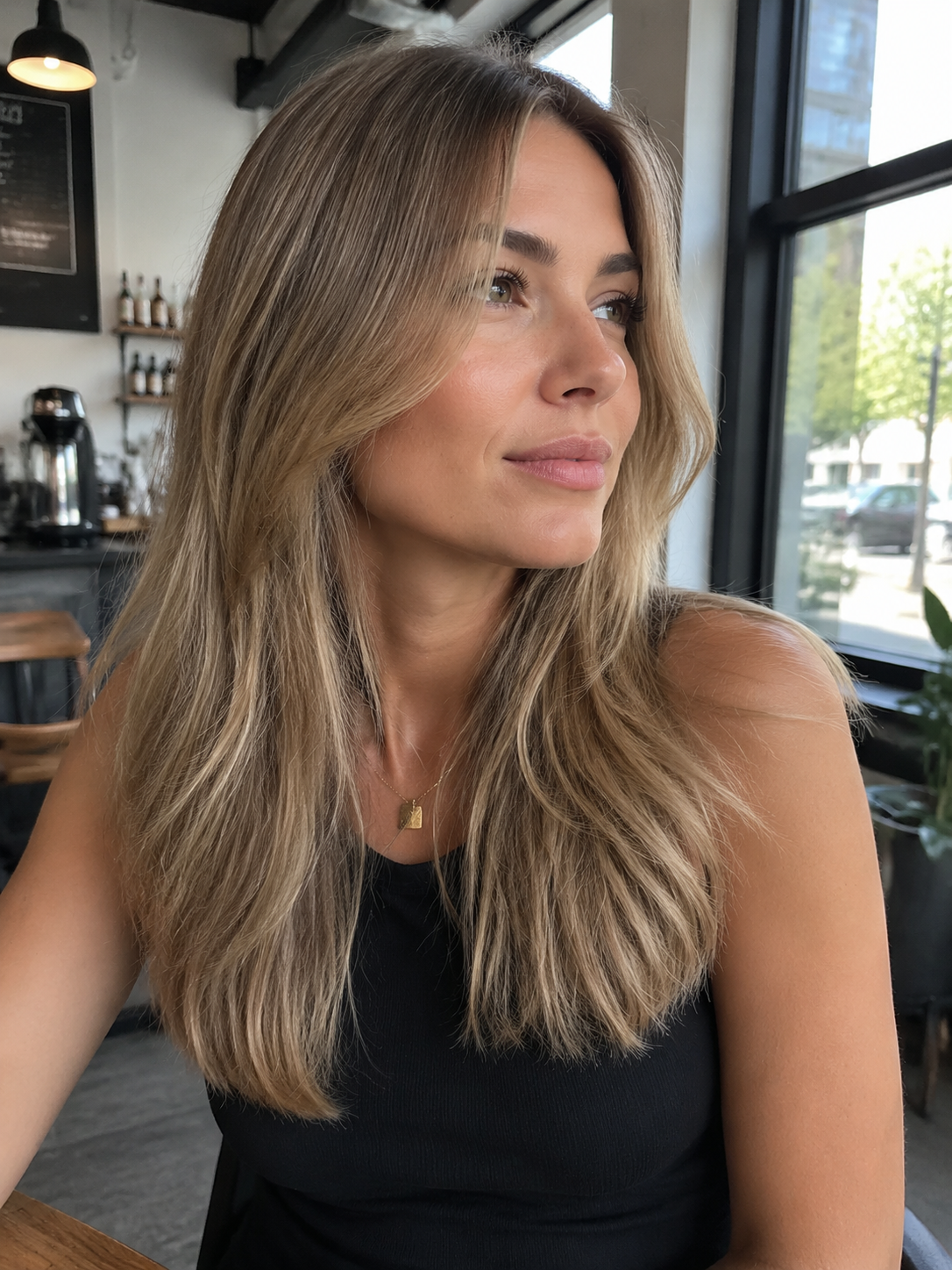
A neutral, sandy undertone keeps this shade from leaning too warm or too cool, landing somewhere comfortably in between. It reads naturally in almost any lighting, which makes it one of the easier shades to match to eyebrow color. This tone tends to hold up well with minimal toning between appointments.
Dark Blonde with Root Shadow
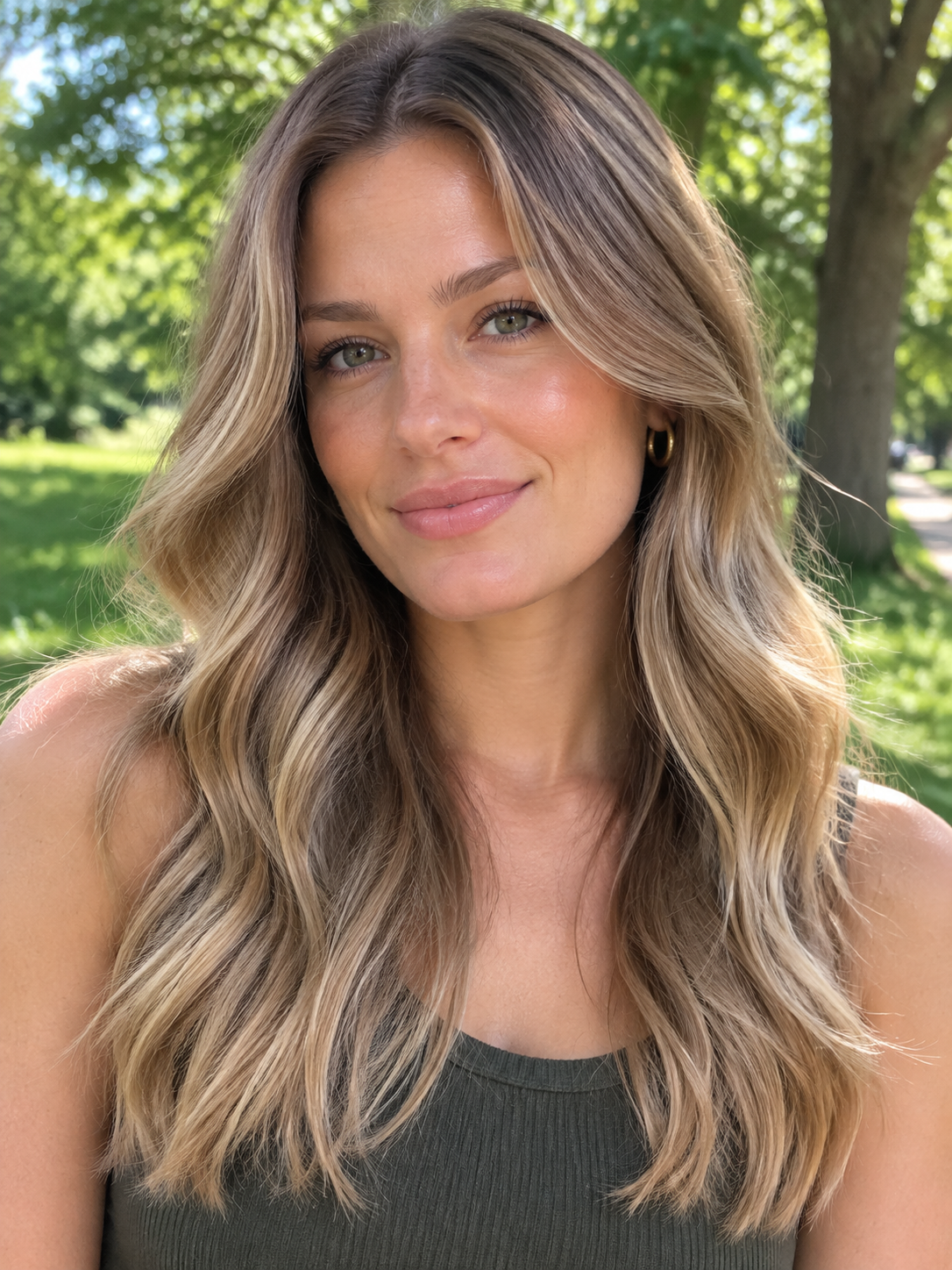
A root shadow deliberately deepens the very top of the hair before blending into a lighter dark blonde below, softening the line where regrowth would otherwise show. This technique stretches the time between color appointments significantly, often to four months or more. It’s a practical option for anyone who wants blonde without frequent salon visits.
Caramel Dark Blonde
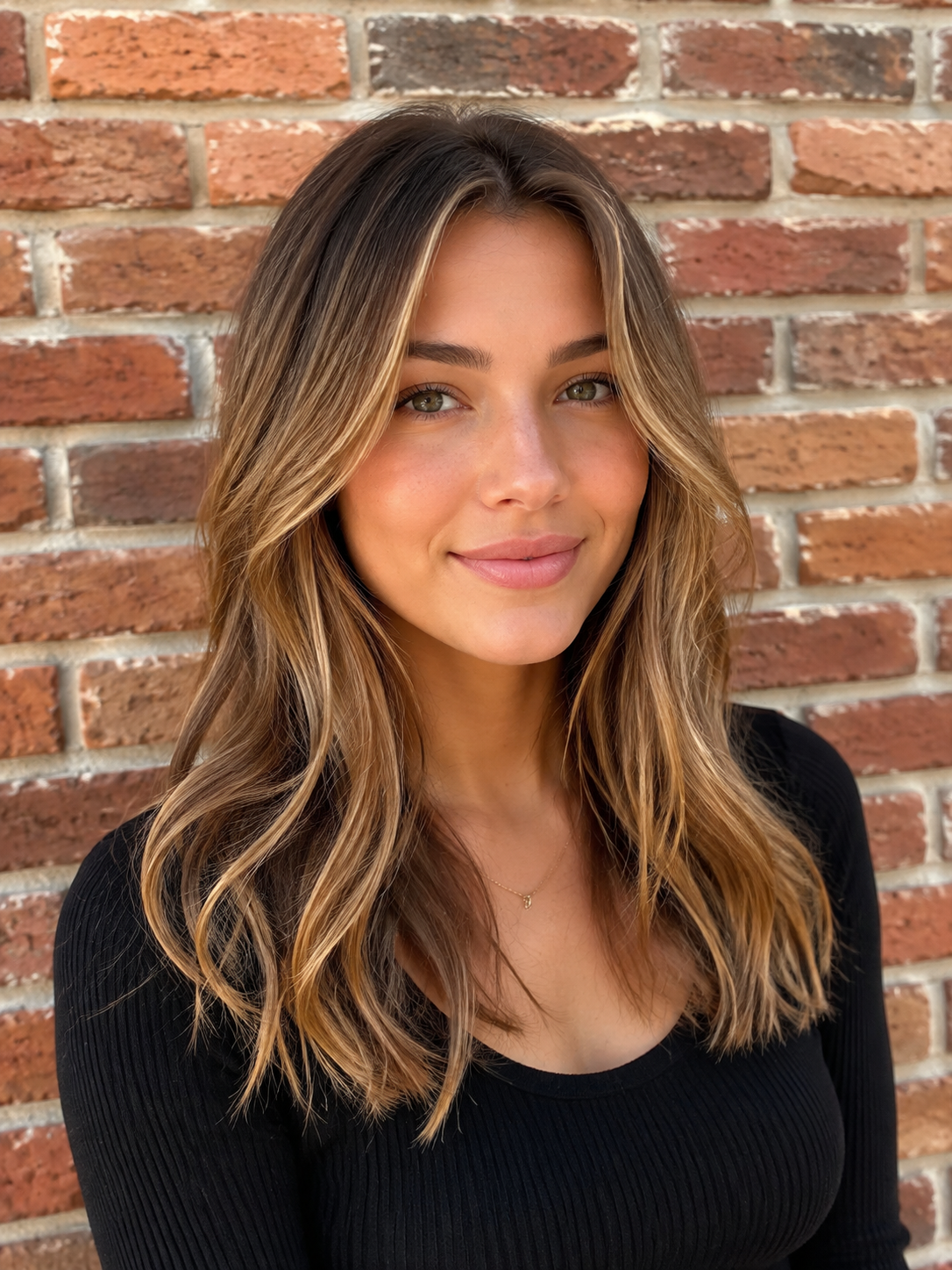
A caramel undertone adds warmth and richness without tipping into a fully golden or honey territory. This shade sits comfortably between blonde and light brown, making it a flexible choice if you’re not fully committed to one category or the other. It photographs particularly warm and rich in natural outdoor light.