Bobs earn their reputation as the safest cut after 60 for good reason, but not every version suits every hair type at this age. The best ones account for finer texture, gray coverage, and how much time you actually want to spend styling each morning. These 17 options were chosen with all of that in mind, not just what looks good in a single photo.
Classic Chin-Length Bob
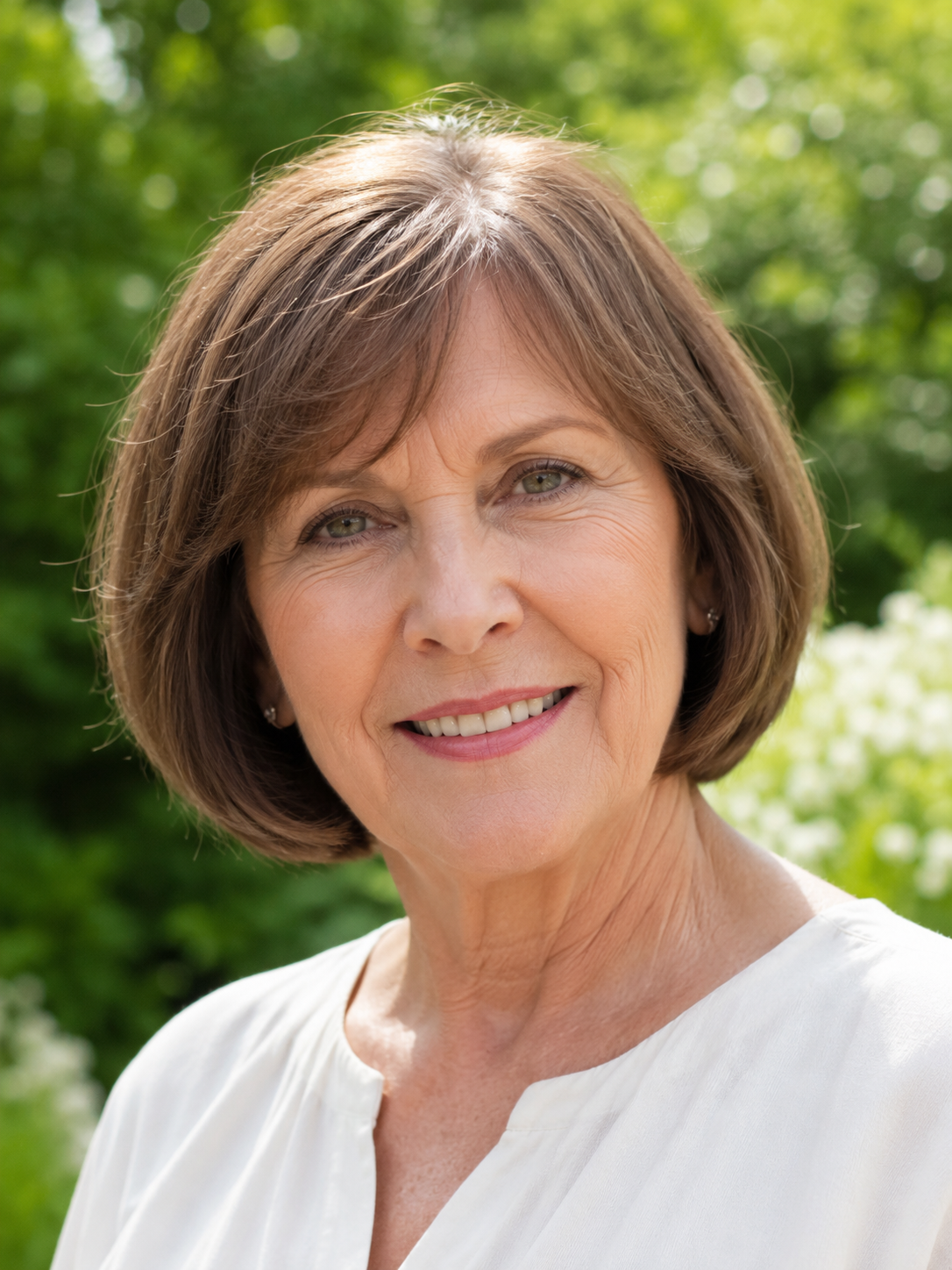
Ending right at the jaw, this length is easy to manage and flatters most face shapes without much effort. Ask for a few subtle layers near the ends to prevent it from looking too heavy on finer hair.
Stacked Bob
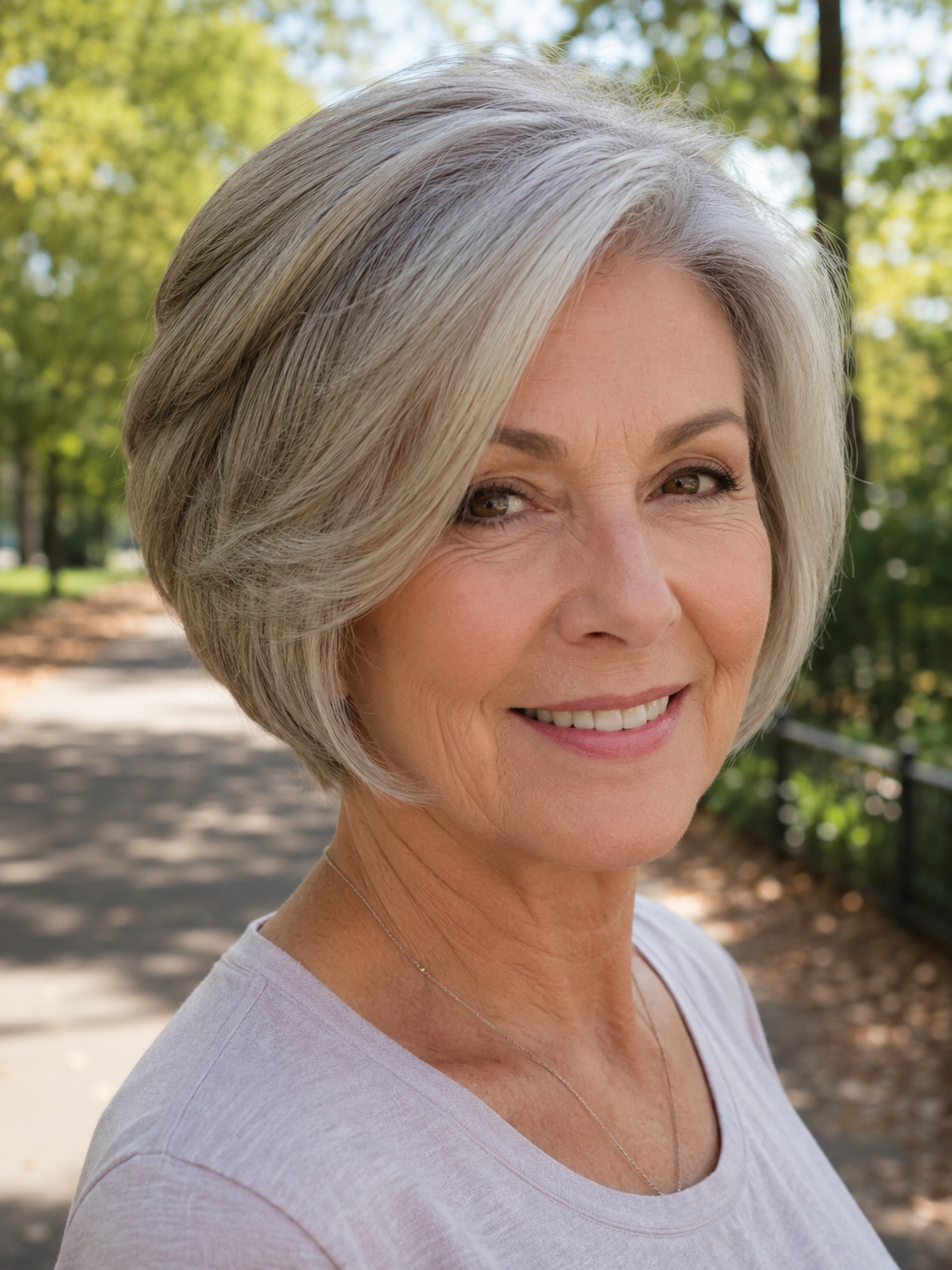
Shorter layers in back that build gradually toward the front create real volume right at the crown, an area that often thins first. A round brush directing the ends slightly under keeps that shape through the day.
Soft Layered Lob
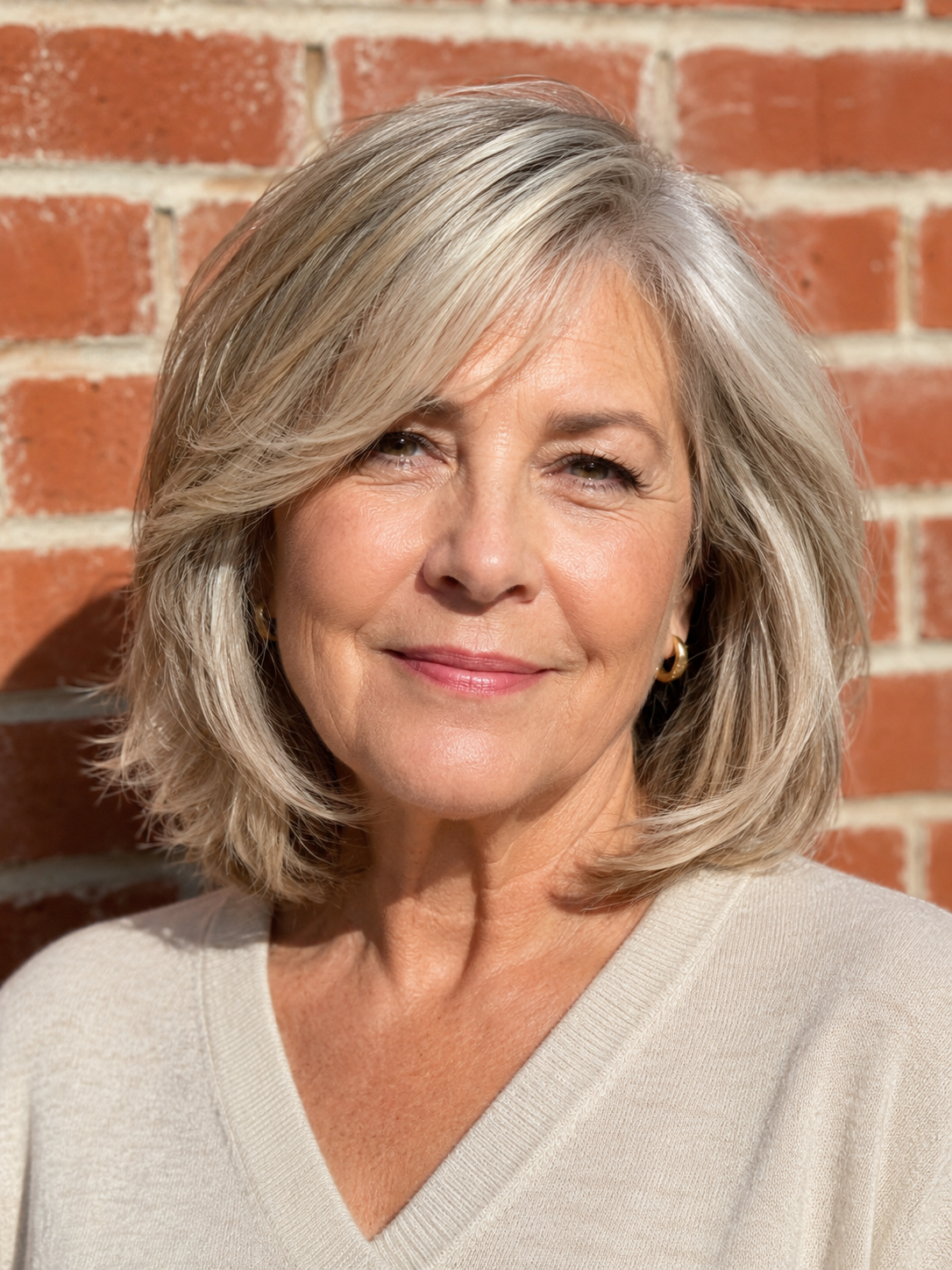
Sitting at collarbone length, this cut offers a bit more versatility while still being simple to maintain. Layers throughout keep the ends light rather than heavy or weighed down.
Gray-Embracing Bob
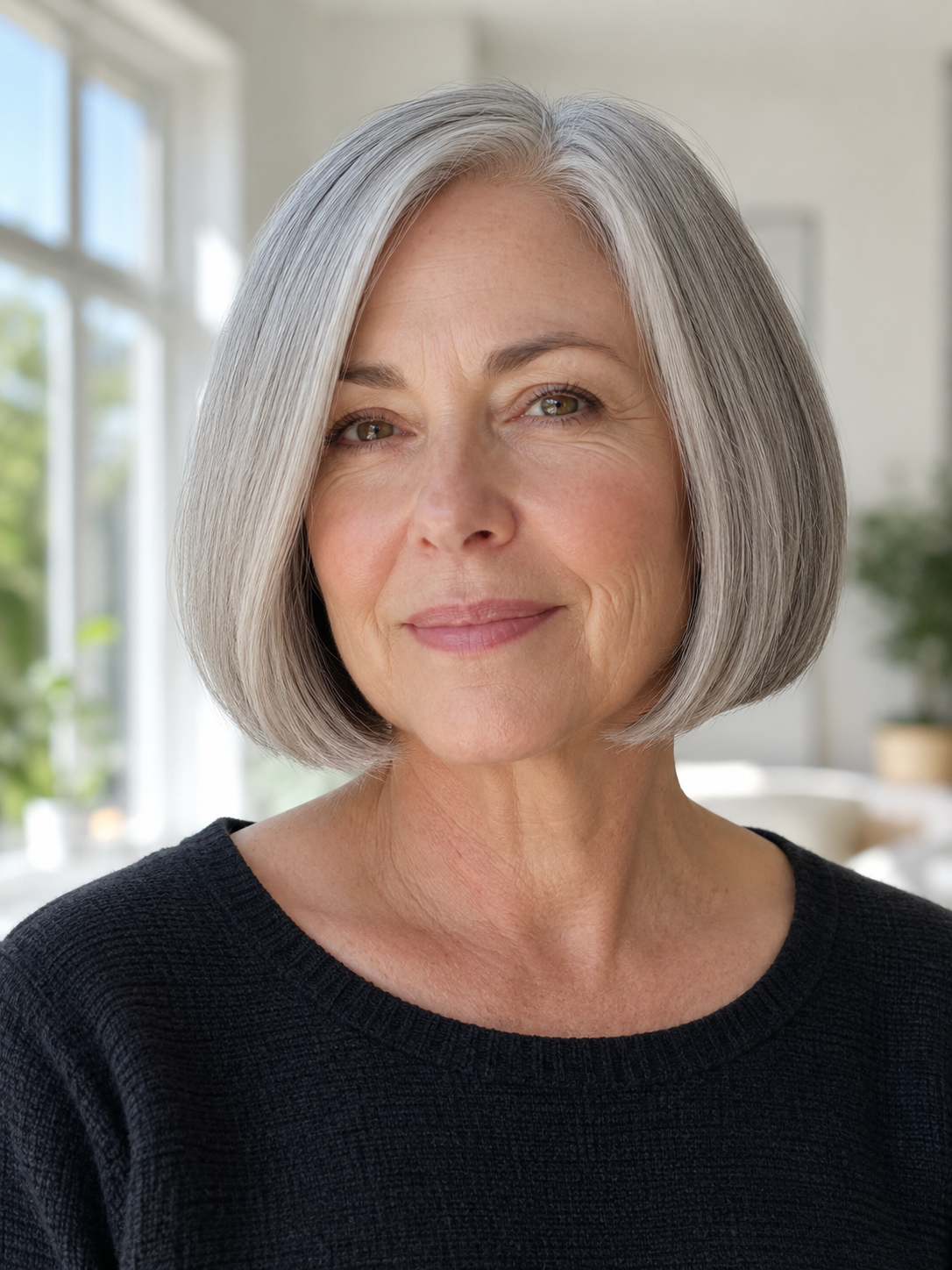
A blunt, chin-length cut lets natural gray or silver tones show clearly rather than getting lost in excess layering. A glossing treatment every few months keeps the color looking rich instead of flat.
A-Line Bob
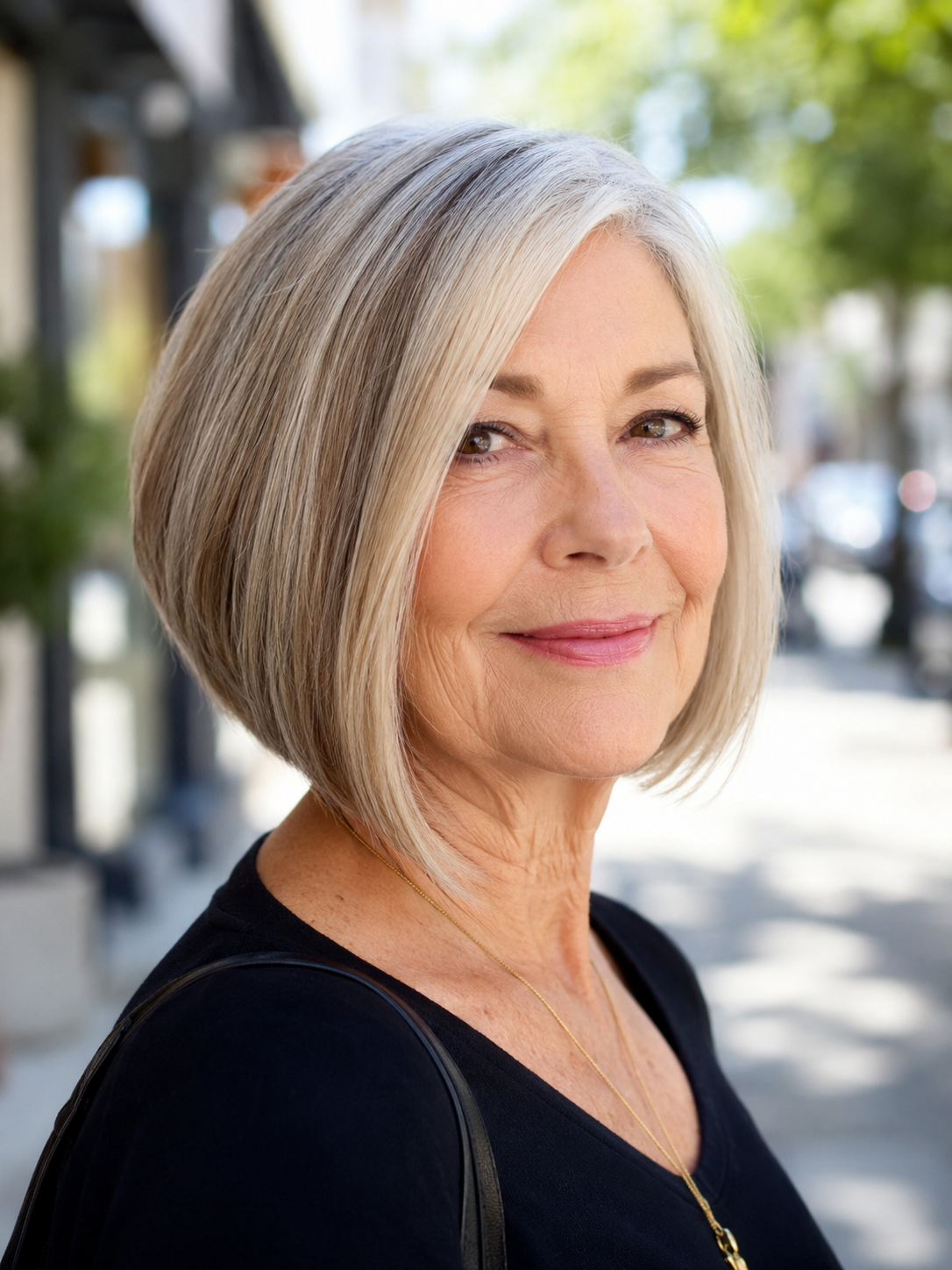
Longer in front and shorter in back, this angled shape creates a strong, structured silhouette that photographs well and holds its line even as fine hair loses shape by afternoon.
Textured Bob with Fringe
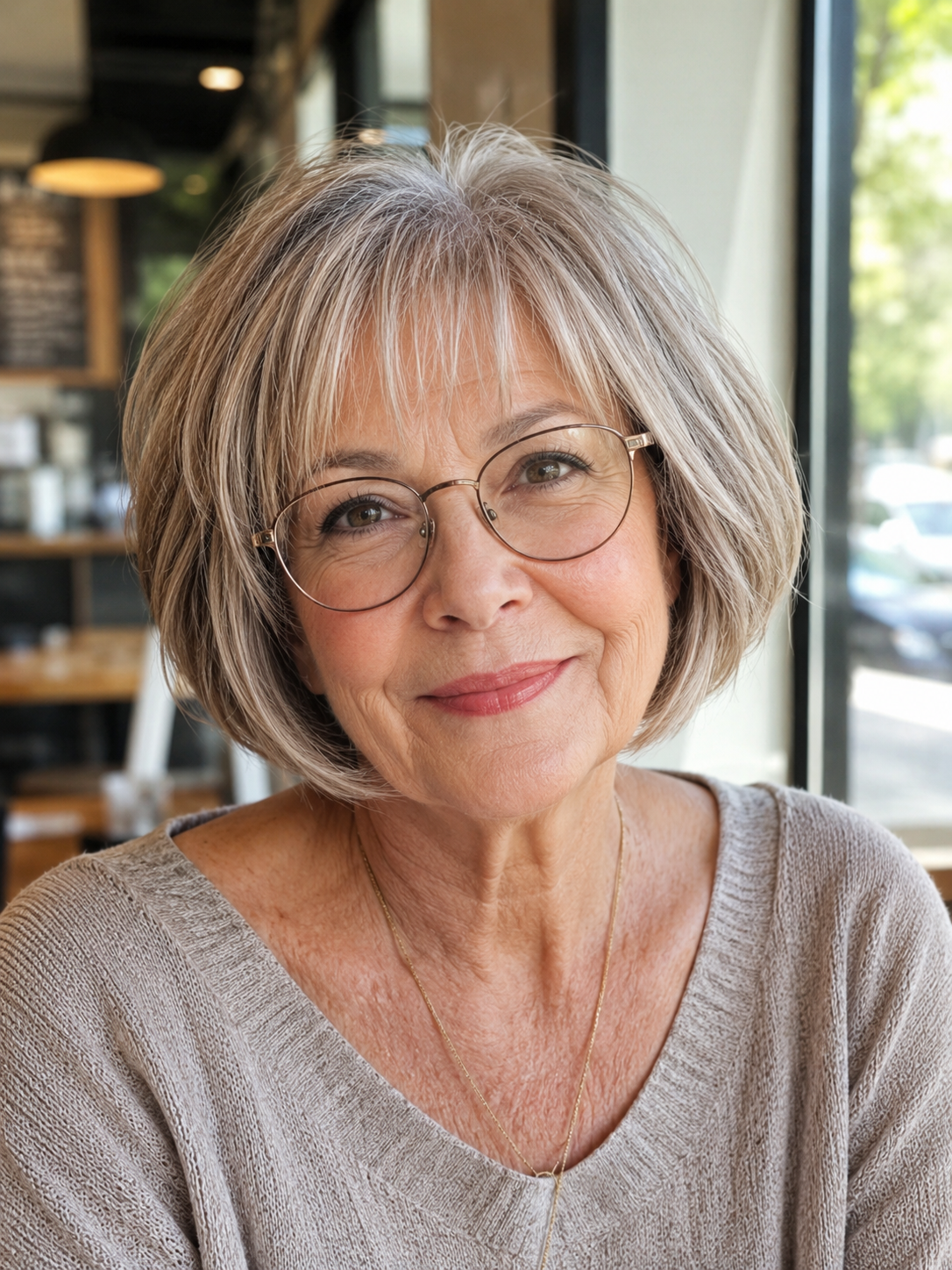
Piecey layers paired with a soft, feathered fringe add texture and interest without much daily effort. This combination works especially well with glasses, since the fringe stays soft rather than competing with the frames.
Wavy Bob
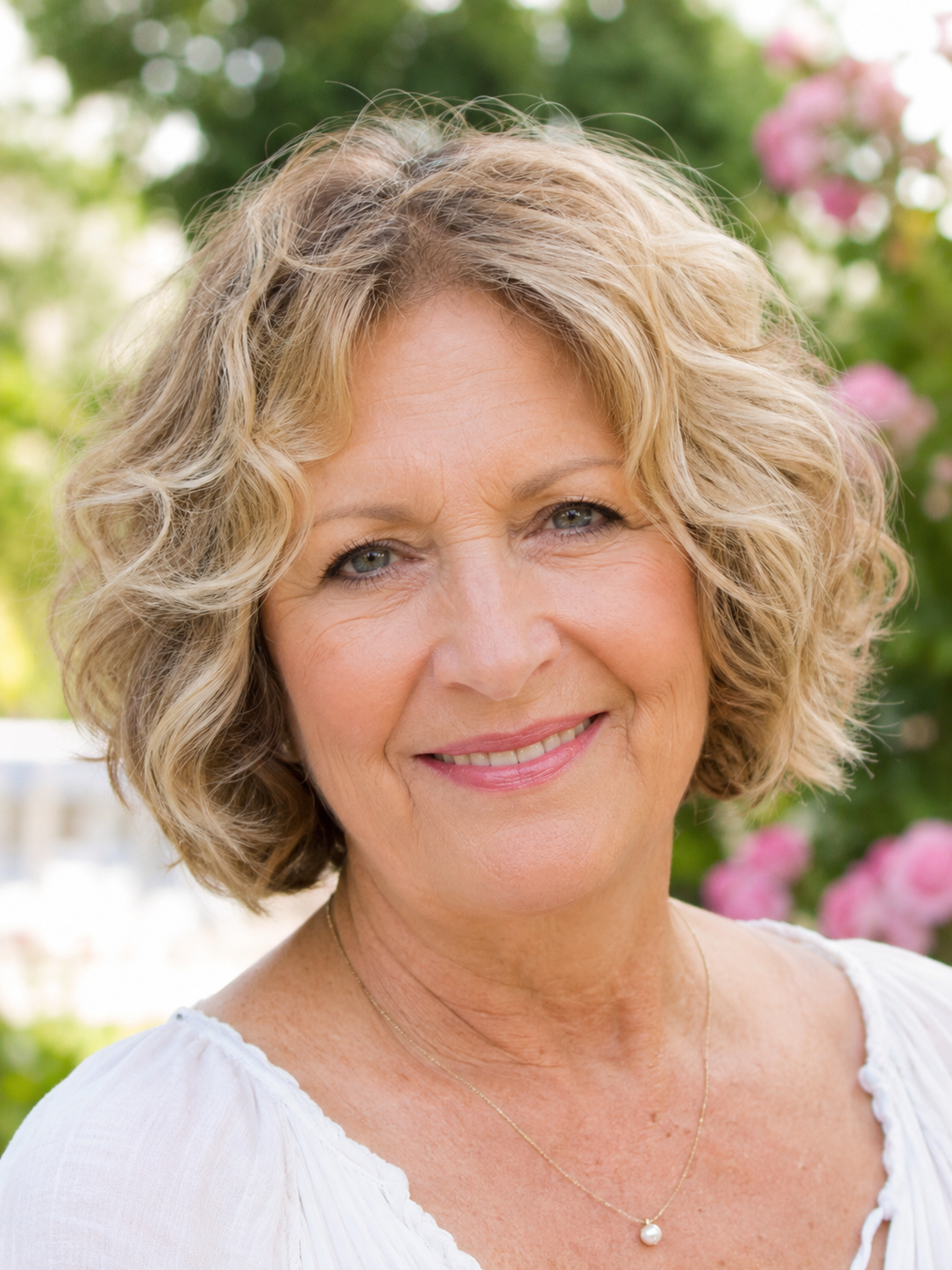
Loose waves added with a curling wand give texture and body that straight, fine hair often lacks naturally. A light-hold texturizing spray finishes the look without weighing hair down.
Undercut Bob
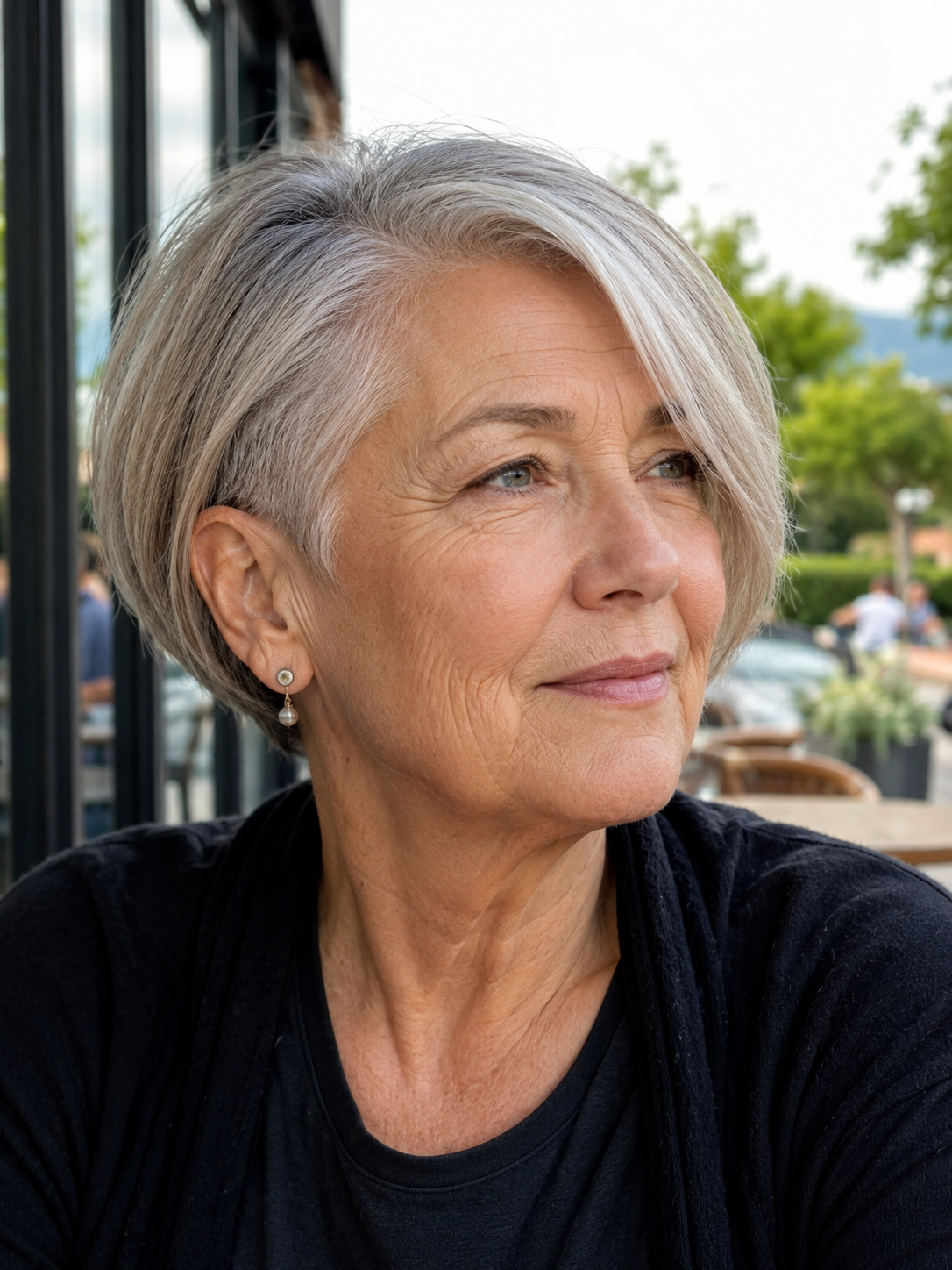
A subtle undercut beneath the visible top layer reduces bulk at the nape while the front stays full length. This is a good option for anyone whose hair has thinned mostly near the back.
Rounded Bob
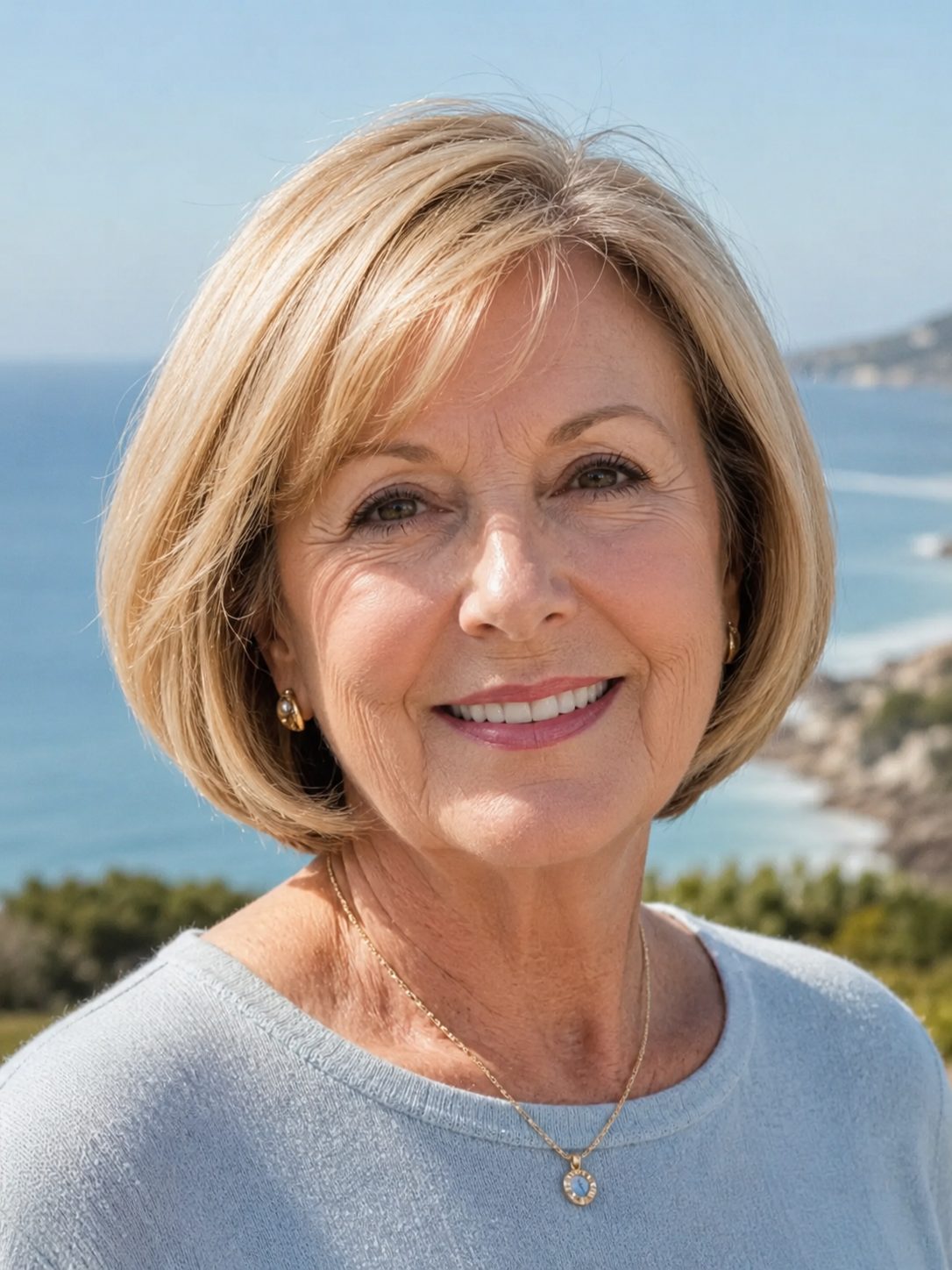
Soft, curved ends that taper gently toward the chin give a polished, forgiving shape. This cut keeps maximum weight at the ends, which suits finer hair particularly well.
Curly Bob
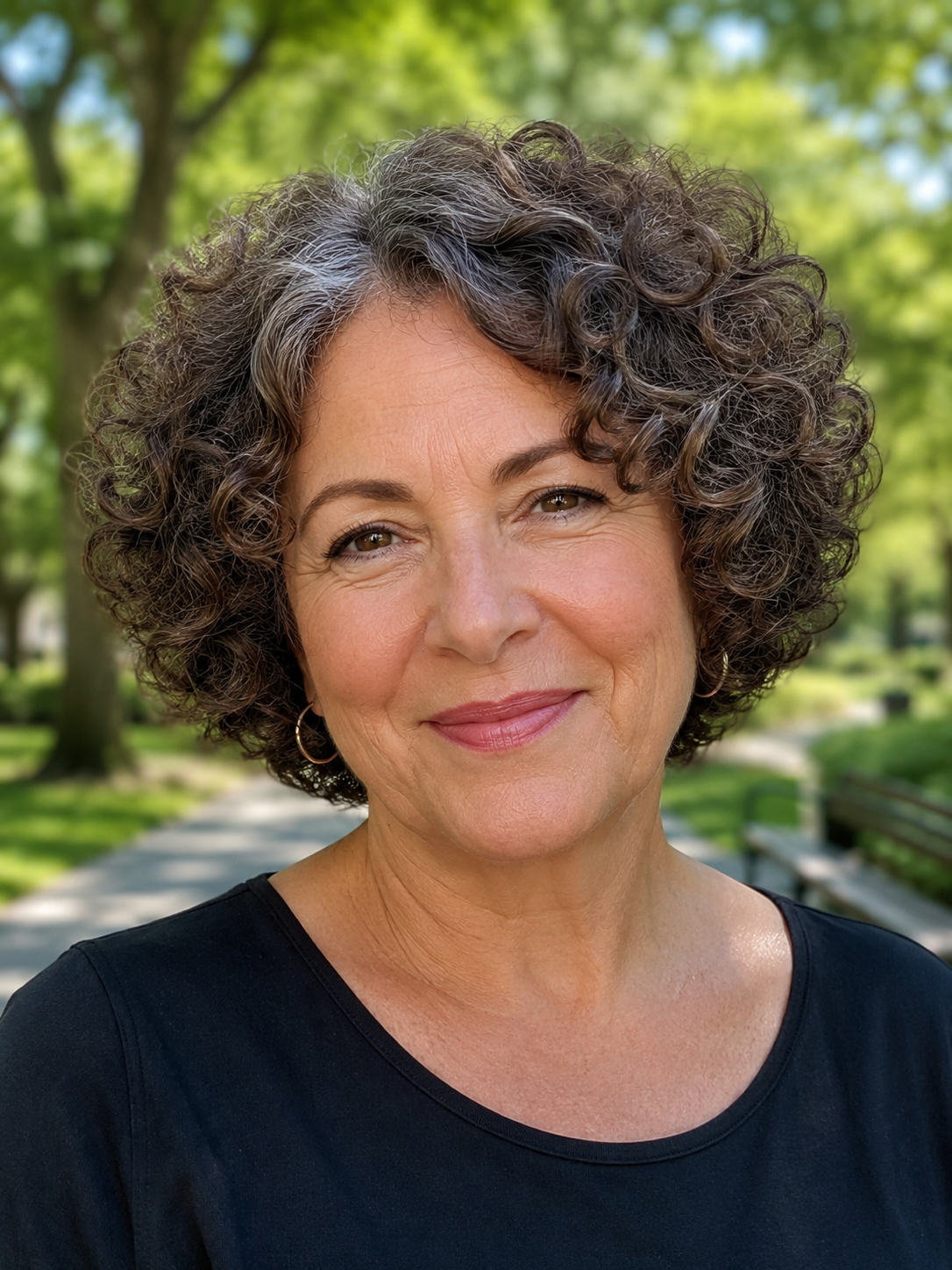
For naturally curly or wavy hair, a bob cut curl by curl rather than while stretched straight gives real bounce and shape. A curl-defining cream on damp hair keeps things from falling flat.
Angled Bob
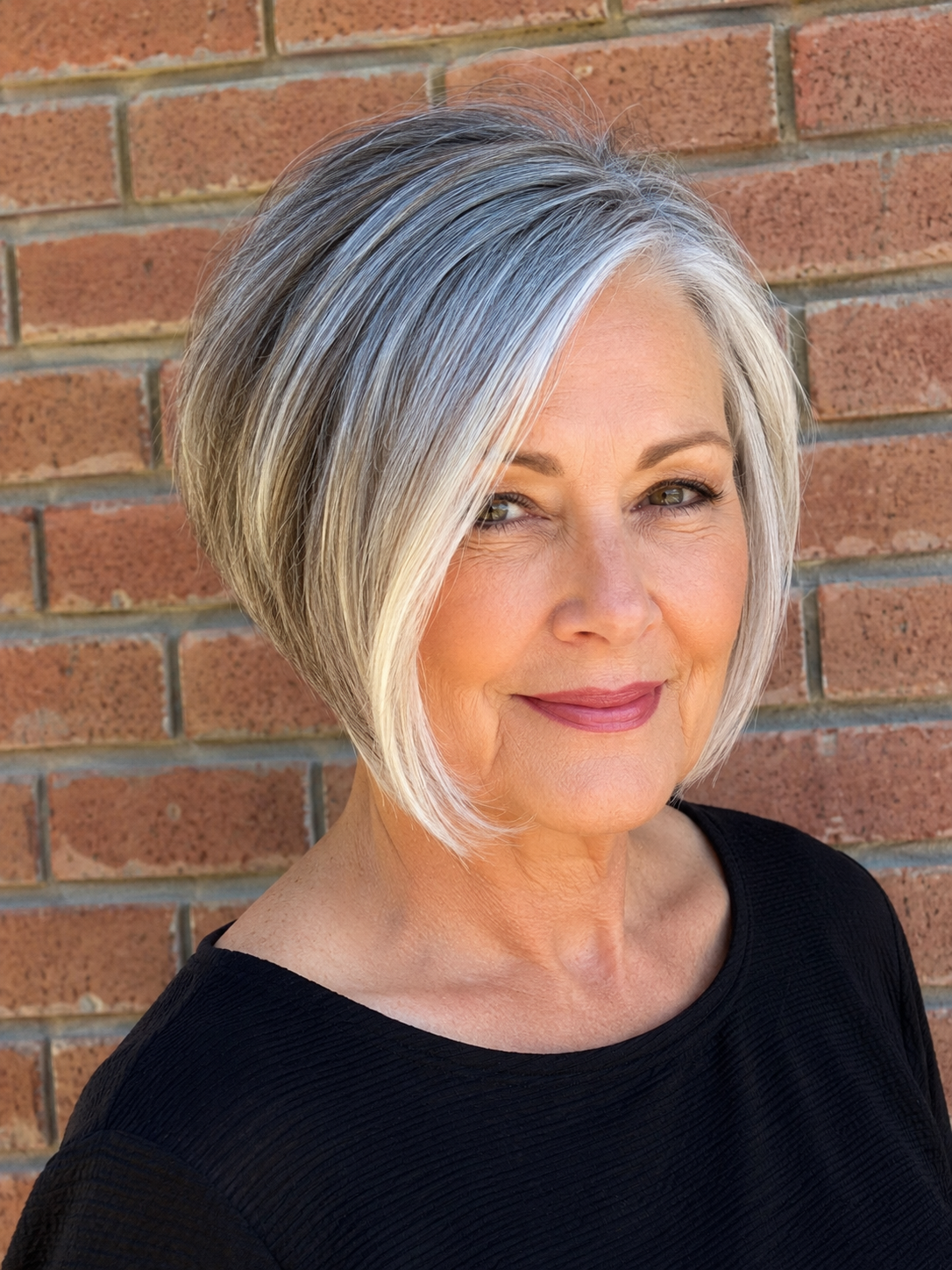
This shape directs the eye diagonally rather than straight down, which helps disguise any thinning near the ends. A volumizing mousse at the roots rounds out the overall effect nicely.
Micro Bob
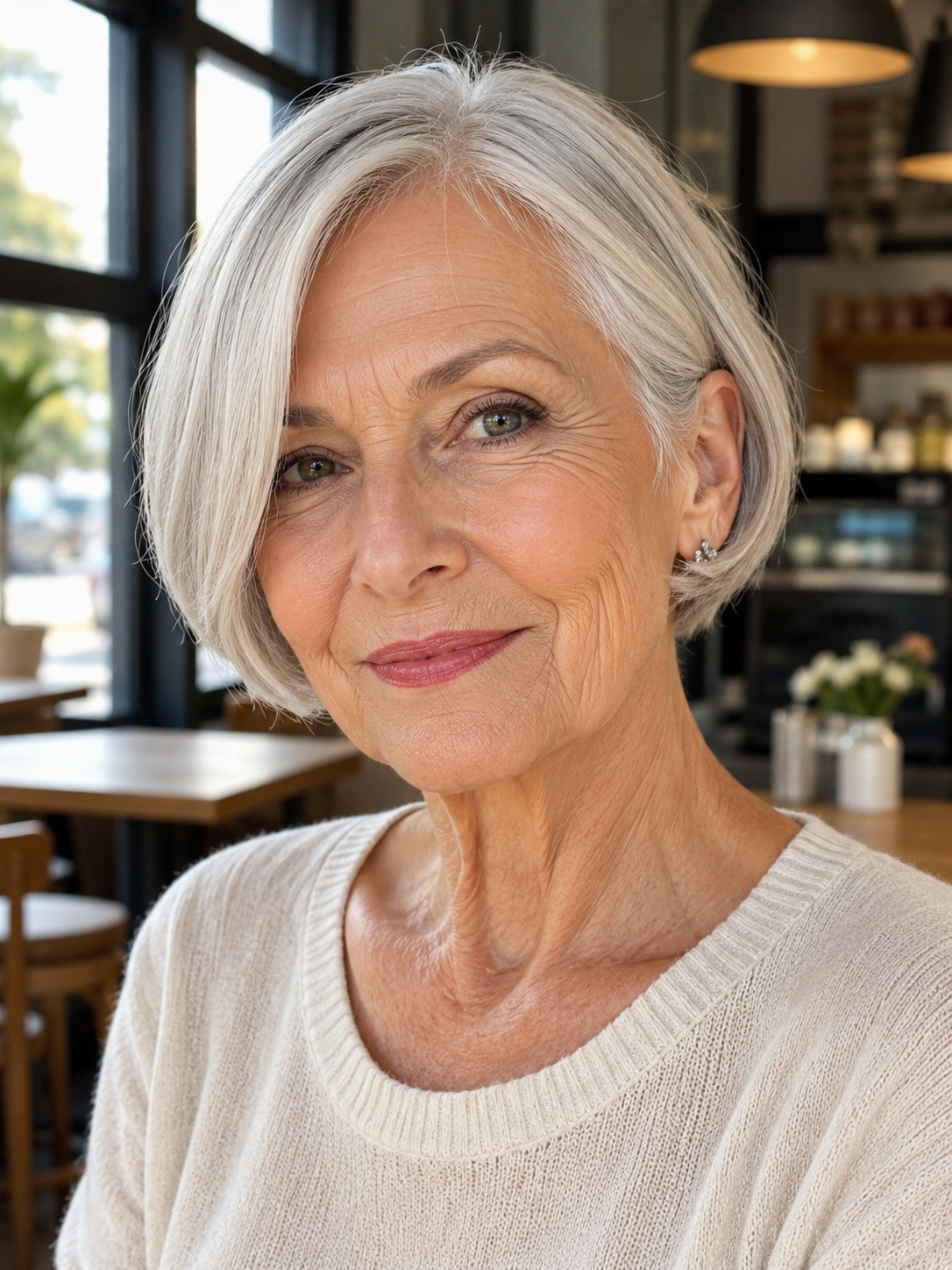
Ending just below the ear, this shorter length looks intentionally full even with lower density hair. A dab of pomade worked through dry hair is genuinely the entire routine.
Side-Parted Bob
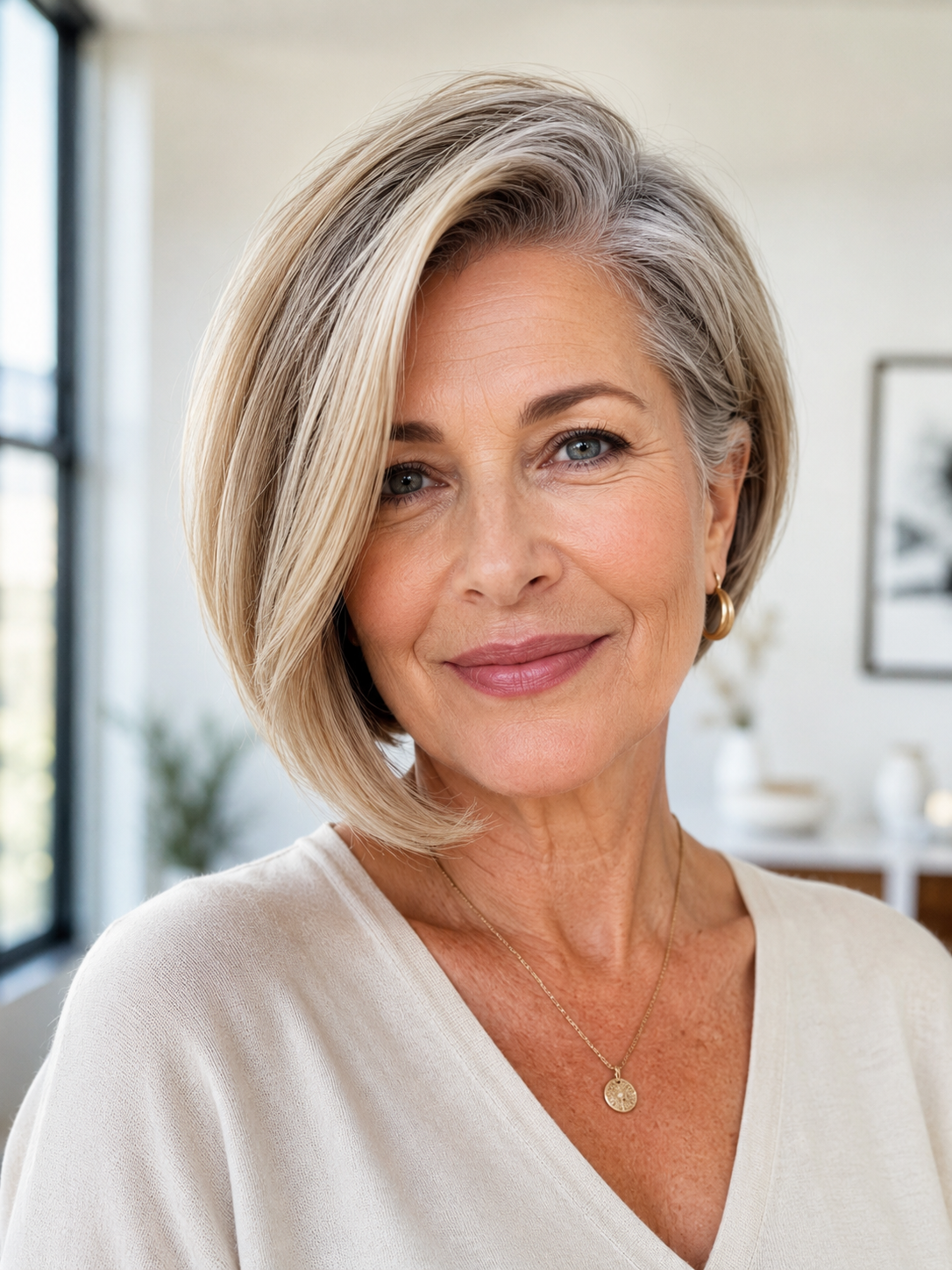
A deep side part instantly adds asymmetry and can help camouflage thinning near the part line. It also gives a slightly more polished, dressed-up feel without any extra styling time.
Bob with Face-Framing Layers

Soft layers concentrated near the face brighten the whole look without removing weight throughout the rest of the cut. This pairs particularly well with reading glasses since the layers soften the frame line.
Graduated Bob
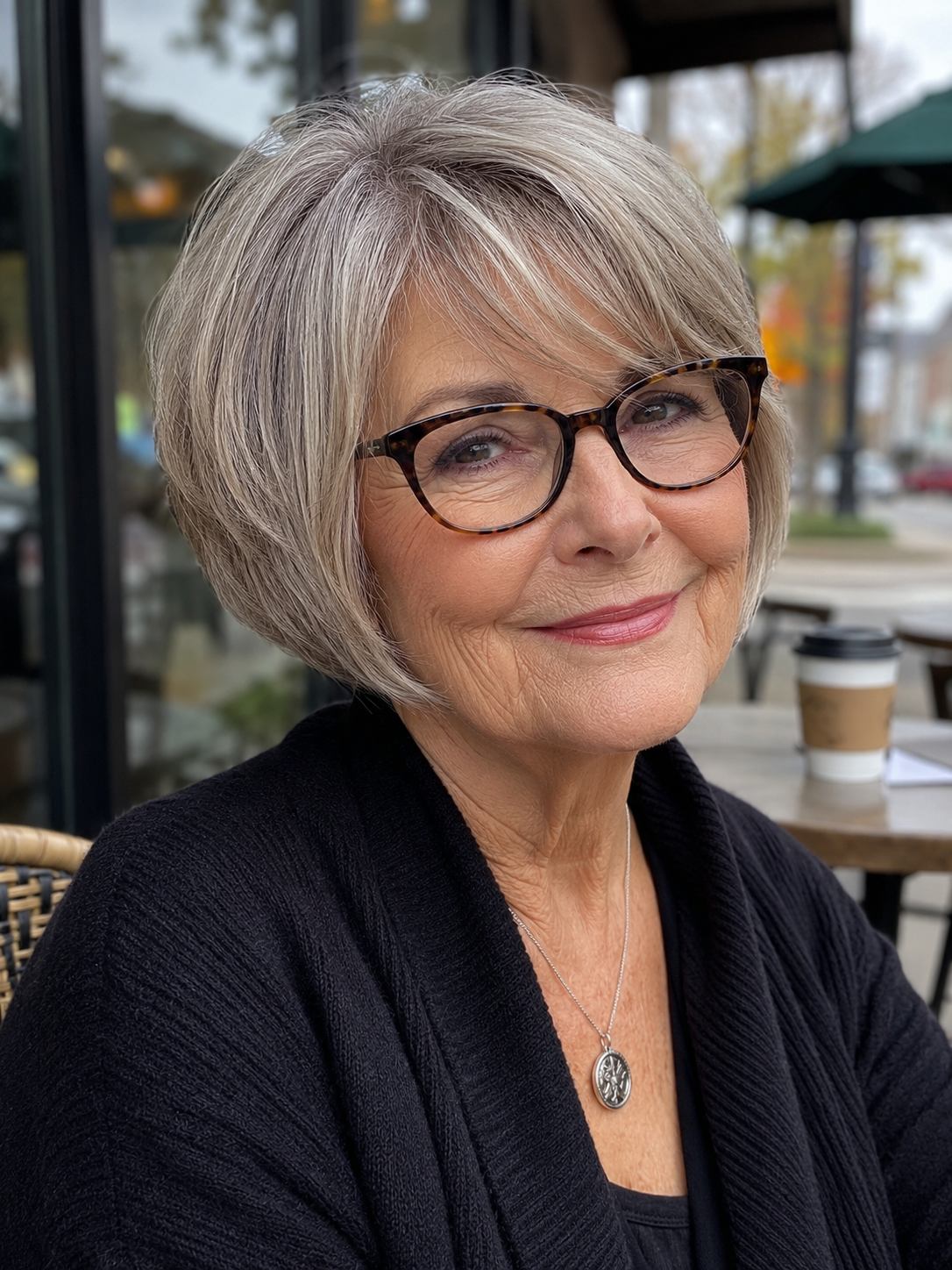
Subtle graduation from shorter in back to slightly longer in front builds a rounded shape that holds well even as fine hair tends to lose volume through the day.
French Bob
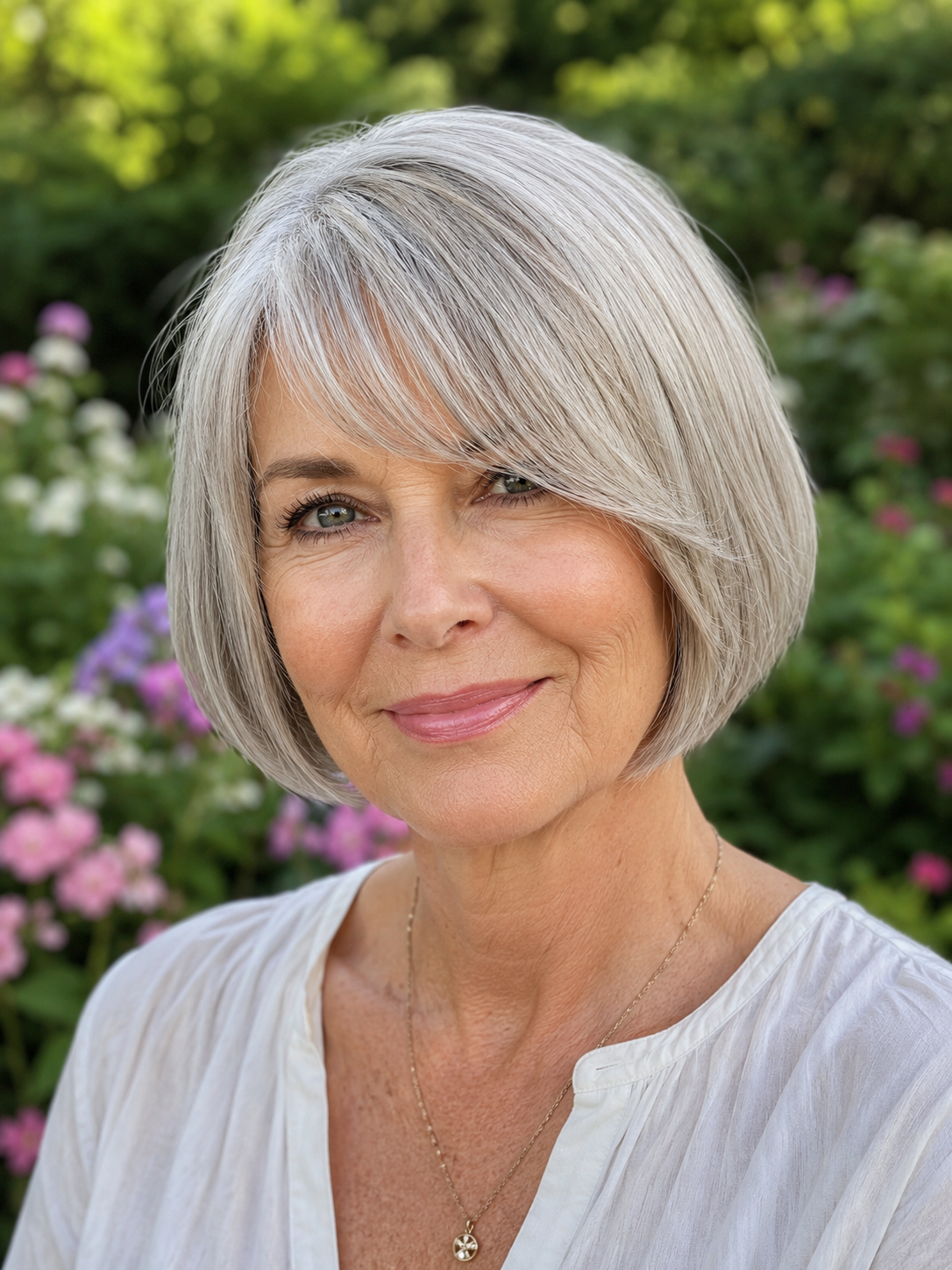
Short and blunt with a curved, rounded shape through the ends, this cut concentrates density into a compact silhouette. A side-swept fringe adds a bit more softness near the face.
Blunt Bob with Root Volume
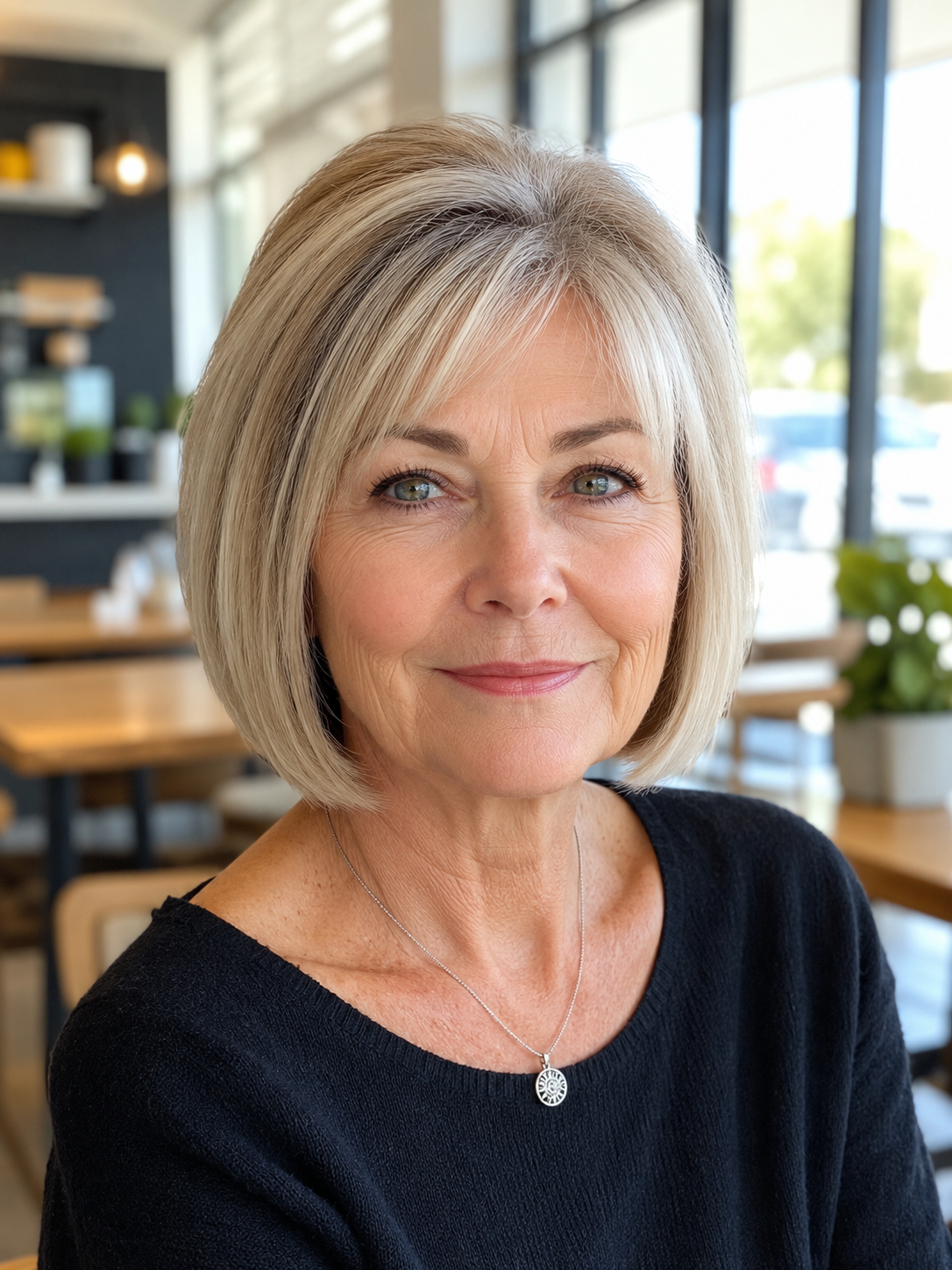
A clean, one-length cut paired with lift built specifically at the crown balances a graphic, structured line with genuine volume where it’s needed most. A root-lifting spray before blow-drying makes a noticeable difference here.