A choppy pixie only works when the layers are cut with actual intention behind the mess. Random texture reads unfinished, but deliberately disconnected layers create movement that a smooth pixie can’t match. This is the shortest cut on the spectrum where “undone” still has to look expensive. Here are 19 ways to wear one.
Classic Choppy Pixie
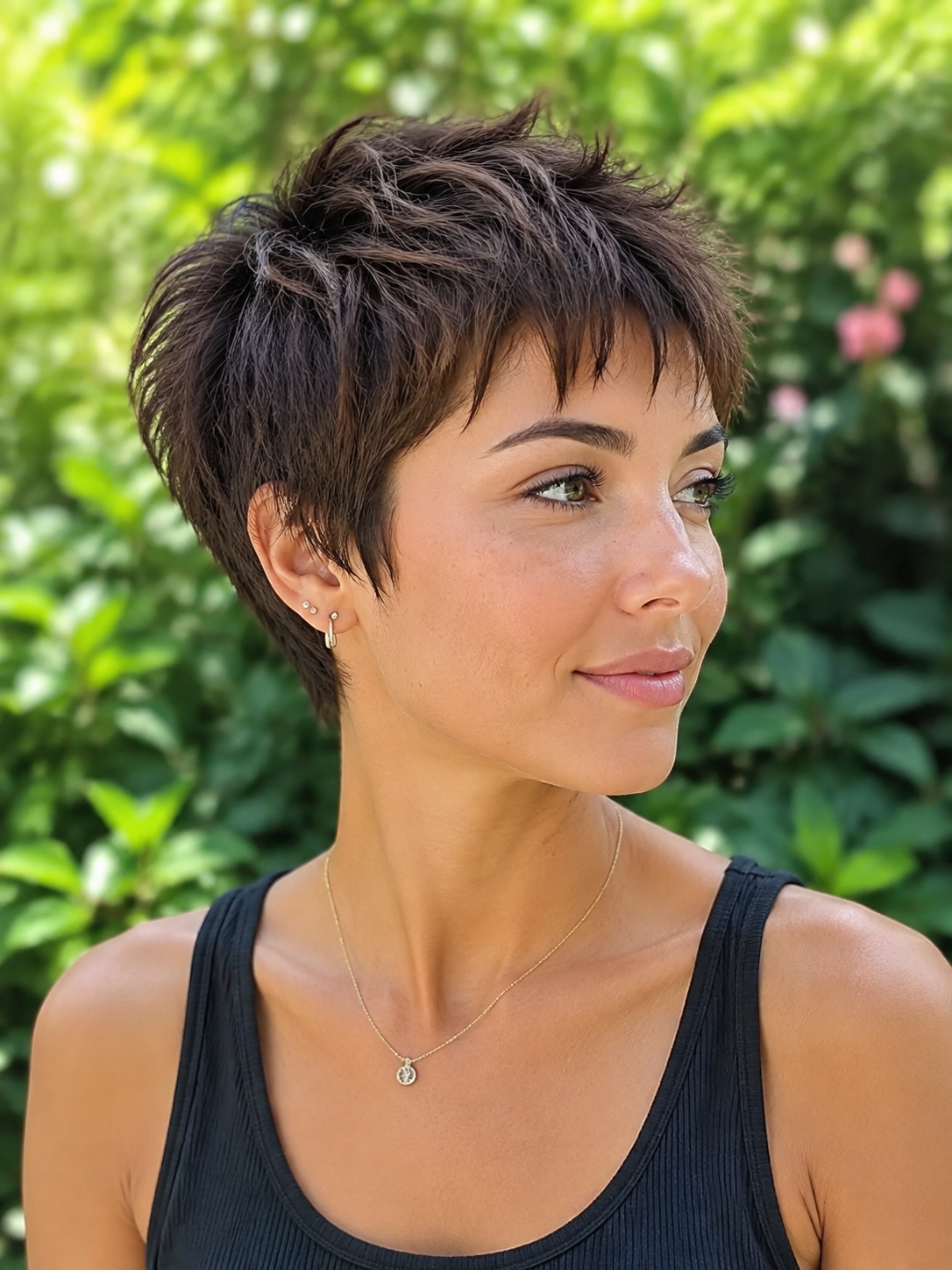
Short, disconnected layers cut throughout give this pixie texture at every length rather than one smooth silhouette. It works especially well on hair with some natural wave, since the layers already have movement to build on. A matte texture paste worked through with fingertips keeps the choppy effect looking intentional rather than accidental.
Textured Choppy Pixie
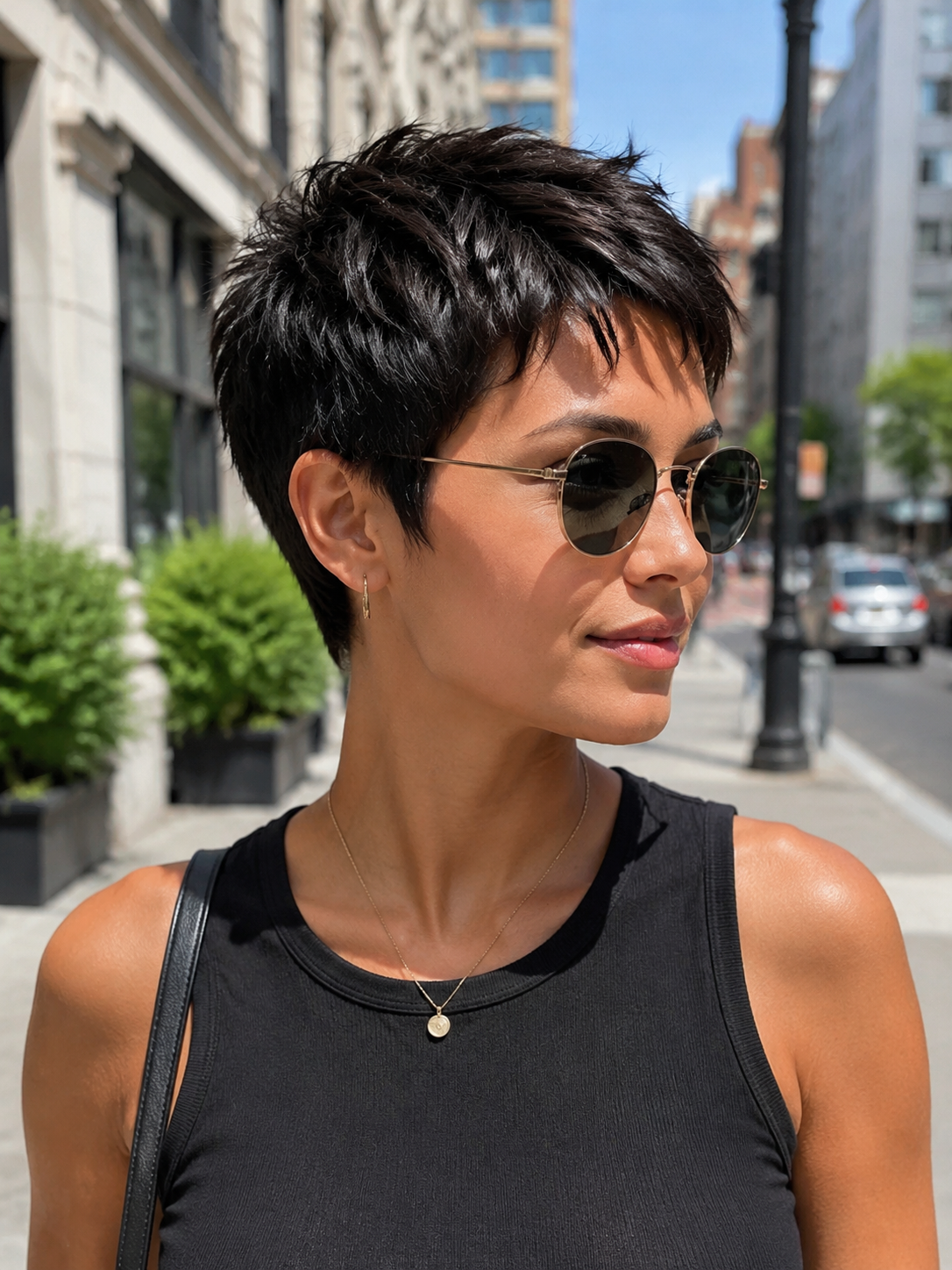
Heavy point-cutting throughout removes bulk and creates soft, piece-y ends rather than one uniform layer of hair. This technique works well on thicker hair that otherwise sits heavy in a shorter cut. Finish with a light wax or paste and scrunch upward from the roots for maximum texture.
Choppy Pixie with Fringe

A short, choppy fringe cut at the same disconnected angle as the rest of the pixie gives the whole cut a cohesive, edgier finish. This combination works best on hair with minimal natural wave, since a fringe holds shape more predictably without humidity fighting it. Trim the fringe every three weeks to keep the choppy line from growing out uneven.
Undercut Choppy Pixie
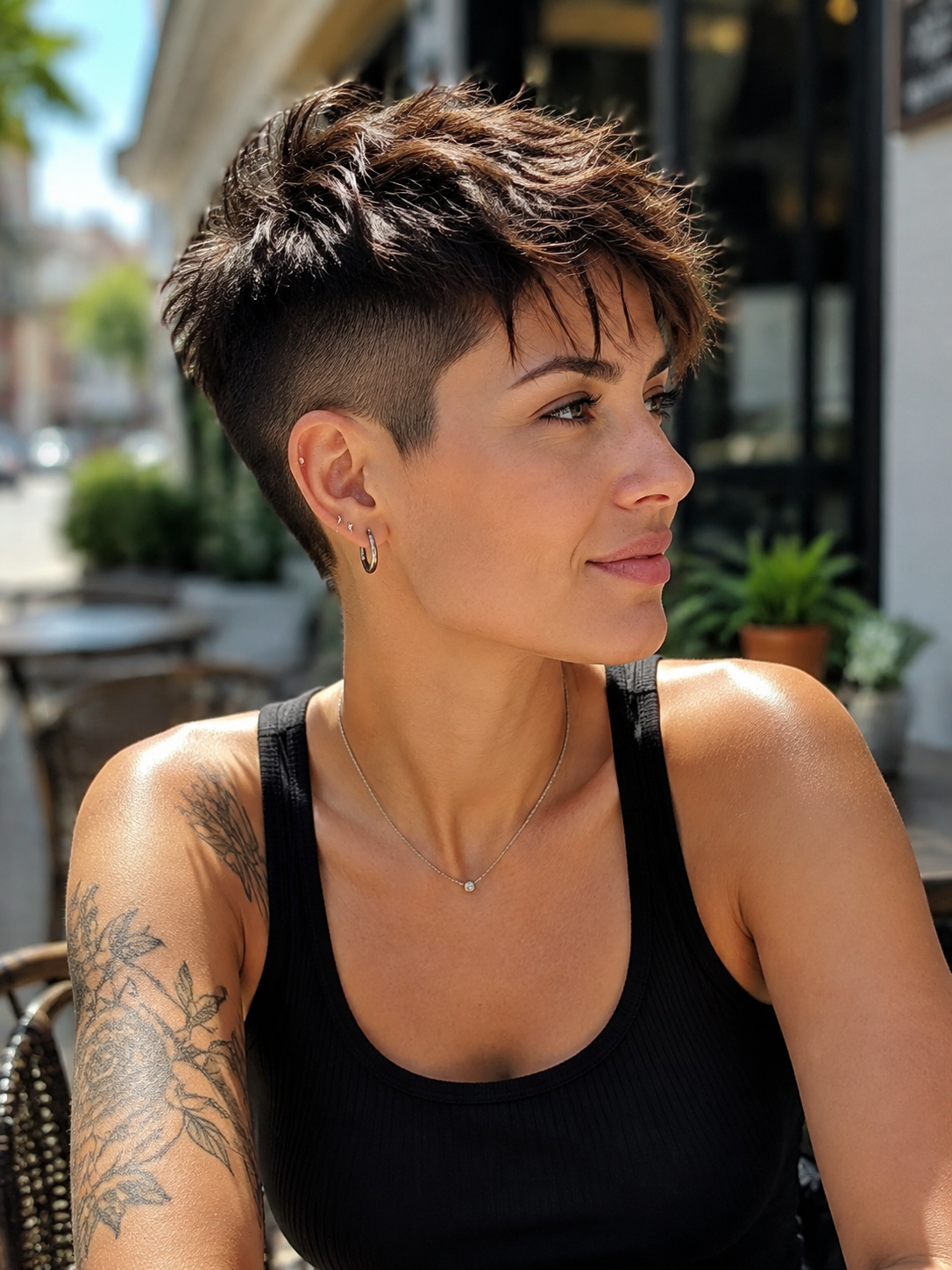
A shaved or closely cropped section underneath the top layer adds a bold, graphic contrast to a choppy pixie. The exposed undercut works especially well paired with longer, textured pieces on top for maximum contrast between short and cropped. Style the top pieces upward and outward to show off both elements at once.
Curly Choppy Pixie
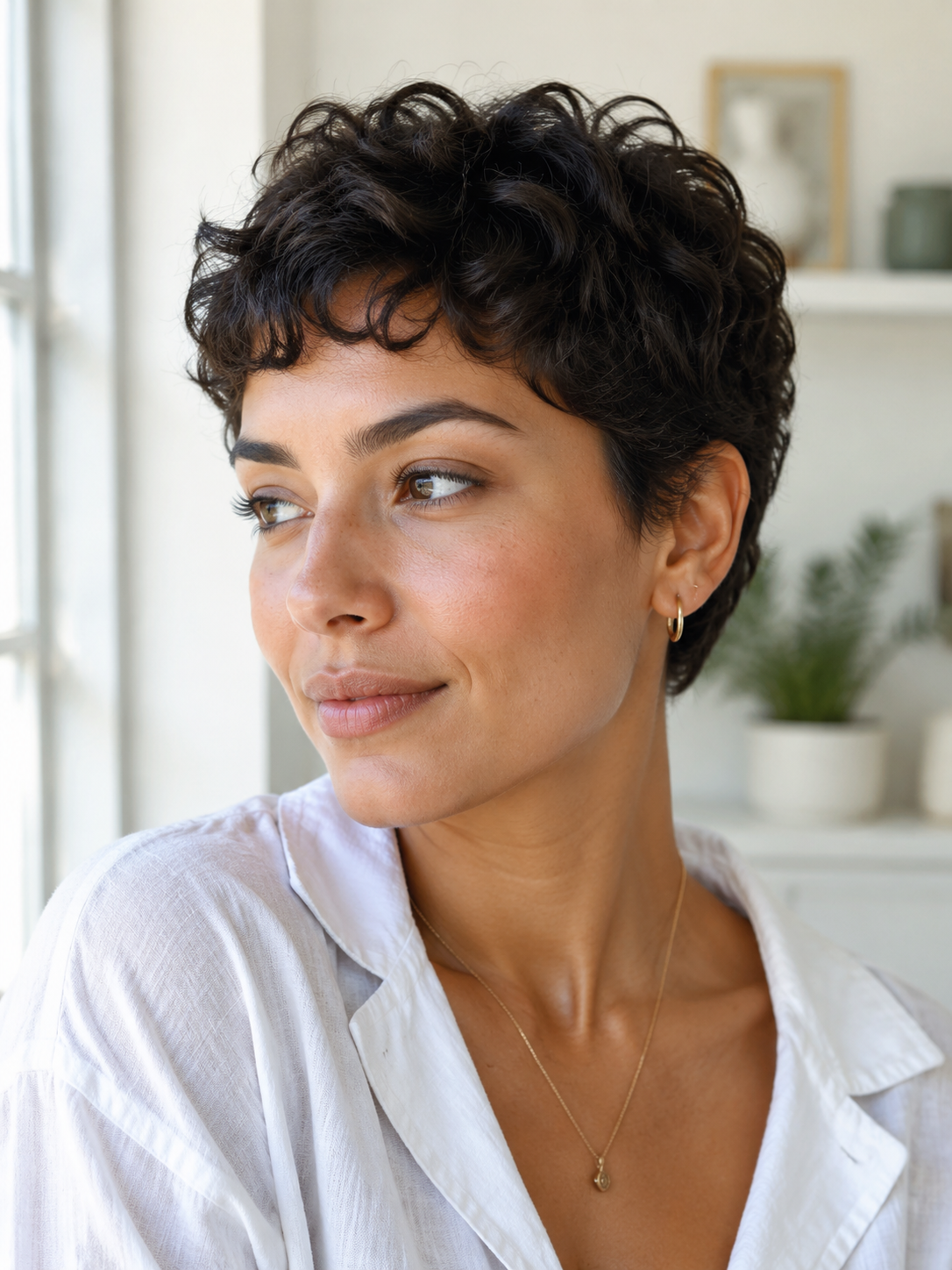
A choppy pixie on curly hair needs a dry cut, since curls sit noticeably shorter once they spring up from a wet, stretched length. The choppy layering lets individual curls move and separate instead of clumping into one dense shape. A small amount of curl cream on damp hair keeps definition without weighing the short curls down.
Wavy Choppy Pixie
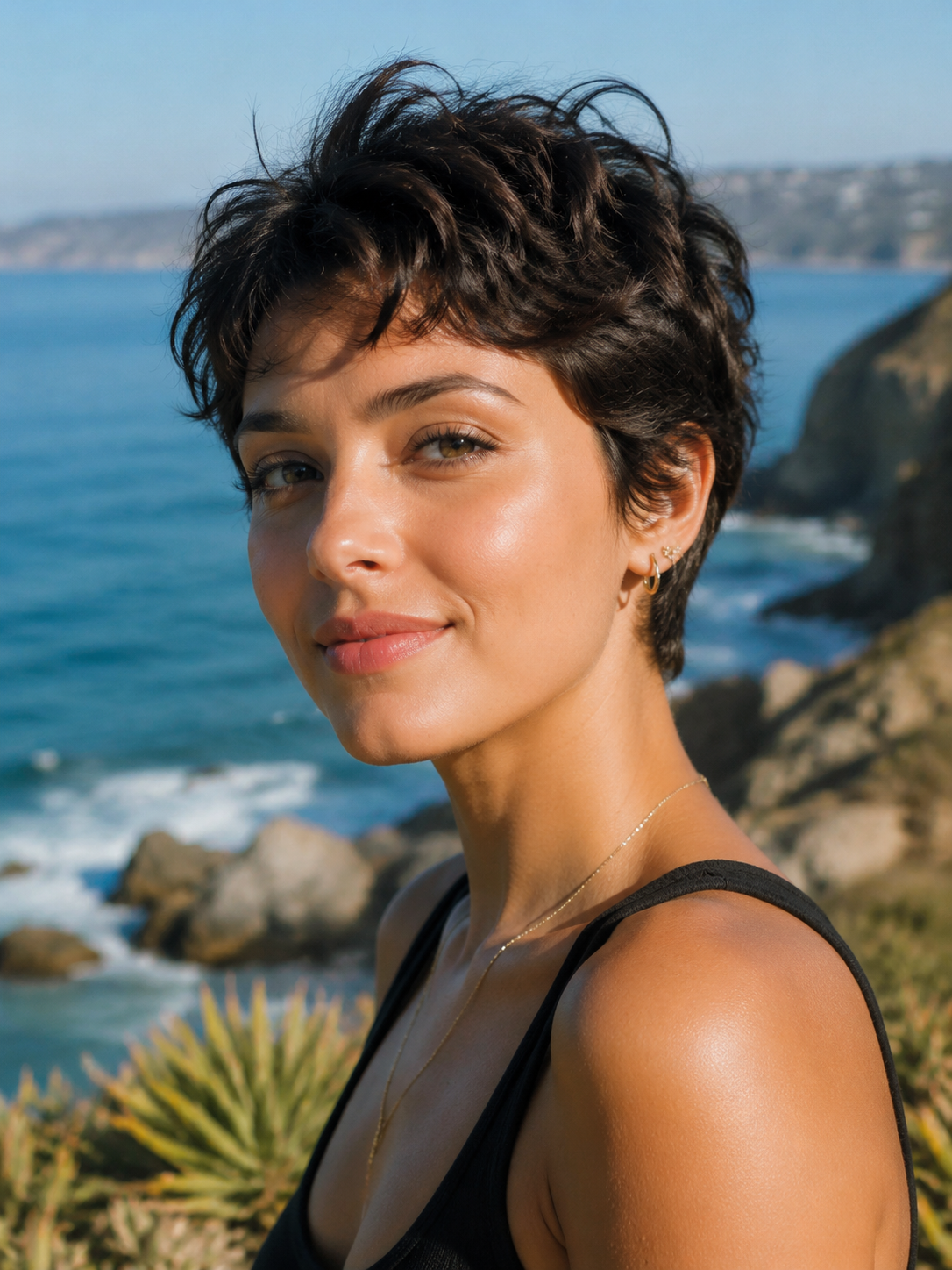
Loose texture through a choppy pixie amplifies the movement the cut already has, giving it a soft, undone finish rather than a sharp, structured one. A texturizing spray on damp hair before air drying brings out natural wave without heat. This version works especially well on fine hair, where wave adds the illusion of extra density.
Asymmetric Choppy Pixie
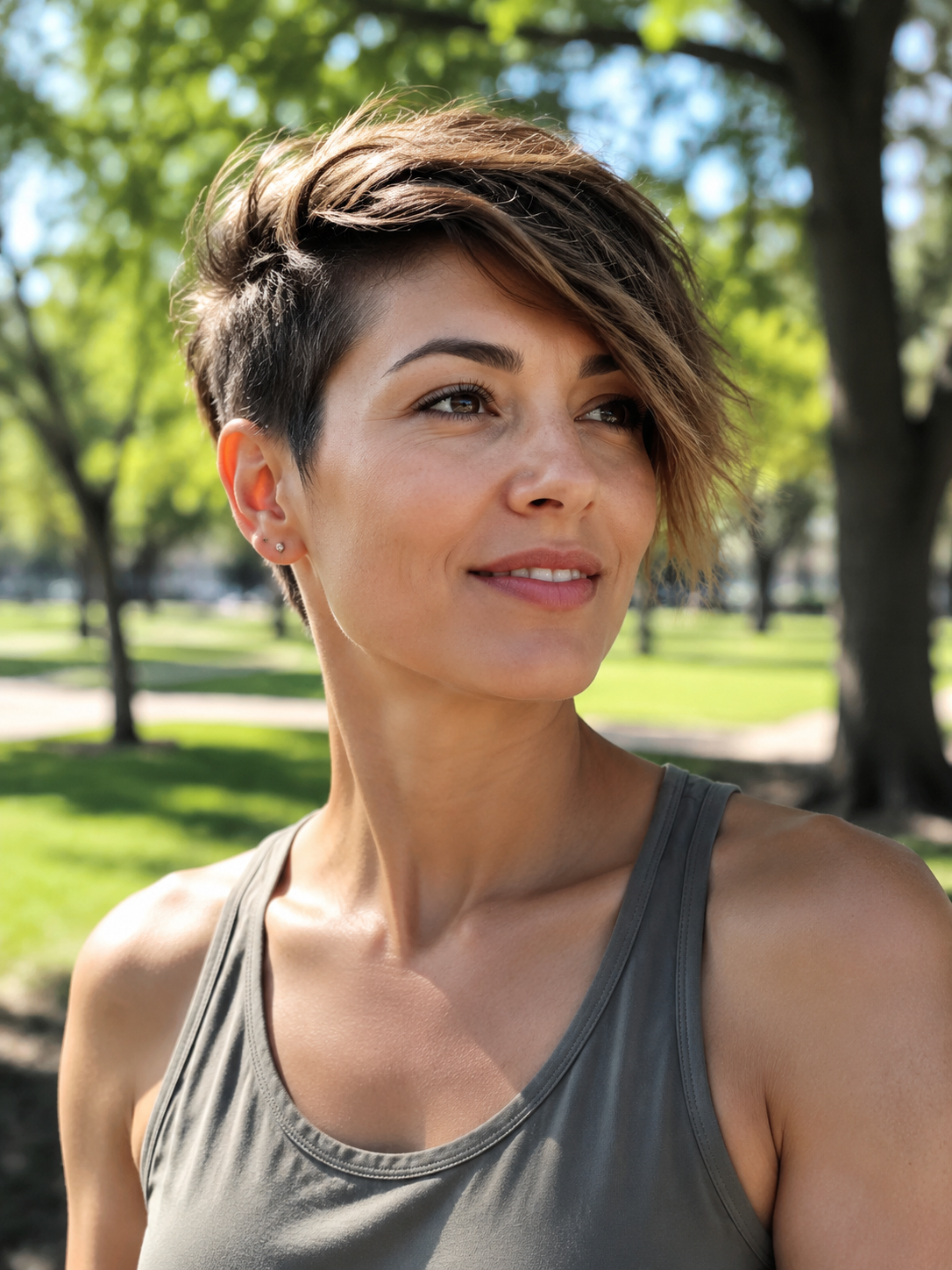
One side left noticeably longer and choppier than the other gives this pixie a bold, modern silhouette. The dramatic length difference means more frequent trims are needed to maintain the shape as it grows out unevenly. Style the longer side swept across the forehead for the most striking contrast.
Spiky Choppy Pixie
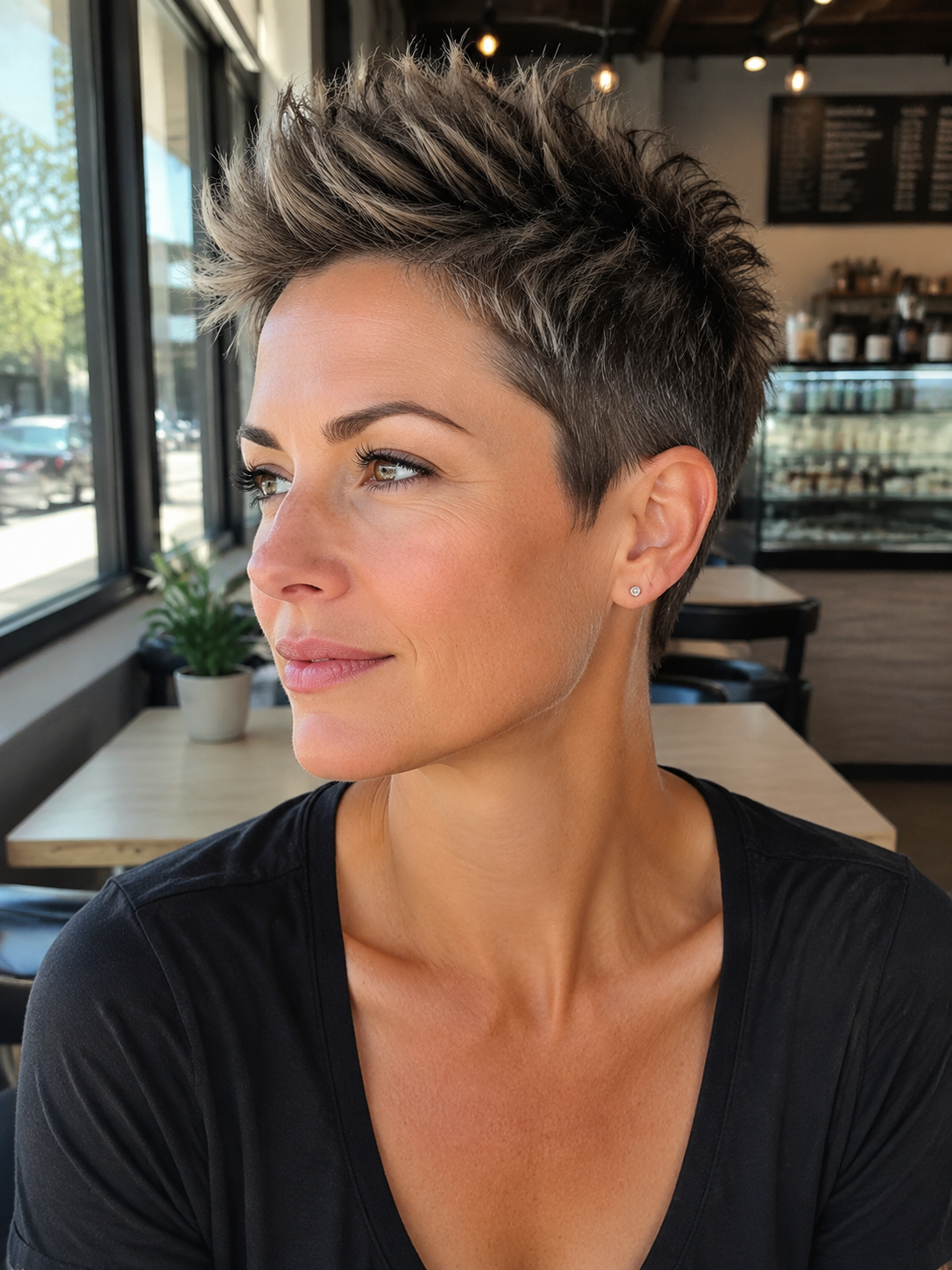
Short, choppy pieces styled upward with a strong-hold wax create a spiky, high-texture finish, especially through the crown. This version needs the most product of anything on this list to hold its shape through the day. Apply wax to dry hair only, working in small sections for the most defined spikes.
Side-Swept Choppy Pixie
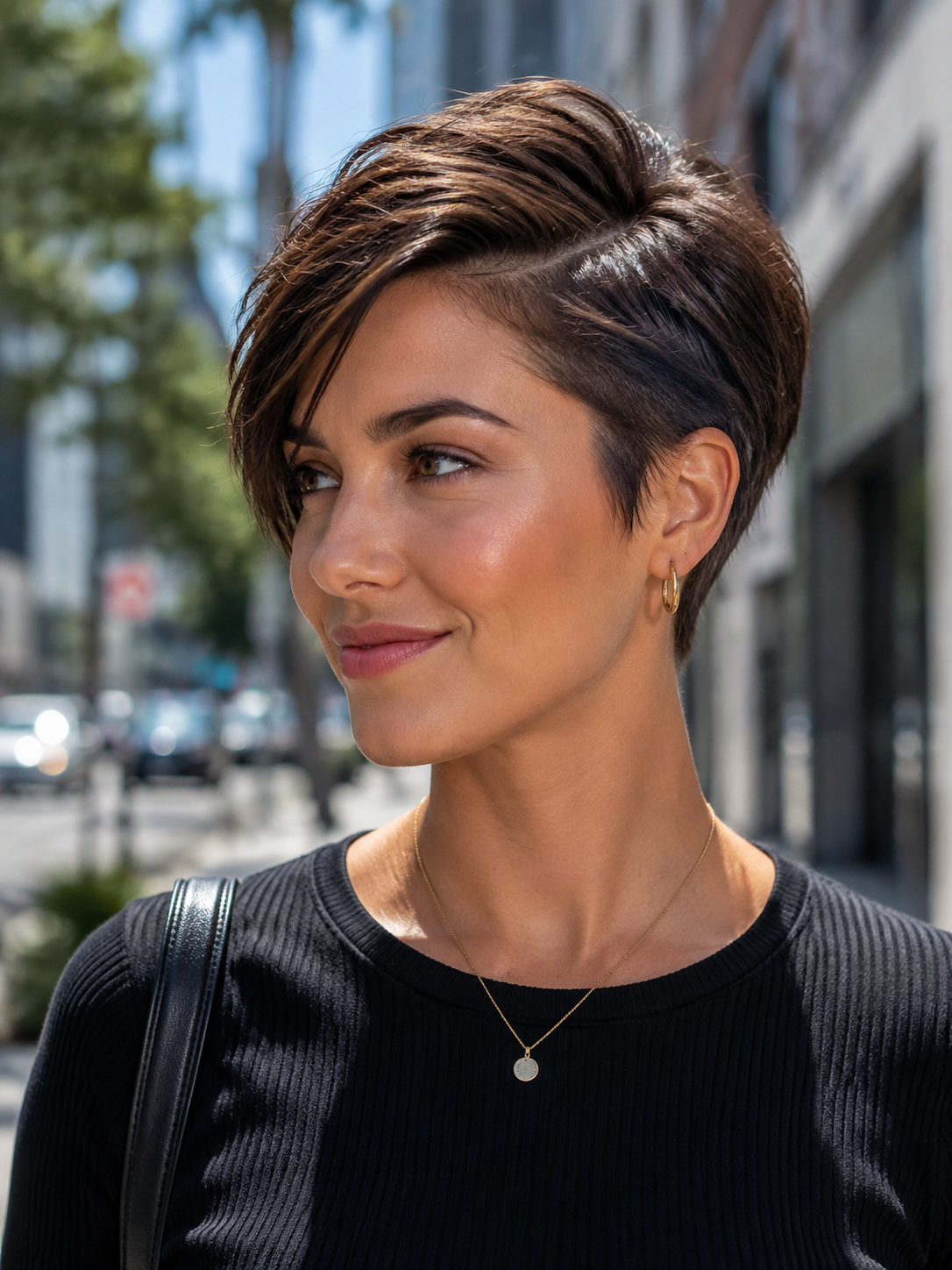
A deep side part combined with choppy layers pulls extra length and texture toward one side, softening the overall short silhouette. This part placement flatters rounder face shapes especially well, since it breaks up horizontal width at the crown. A small amount of pomade at the root keeps the swept section from sliding back to center.
Feathered Choppy Pixie
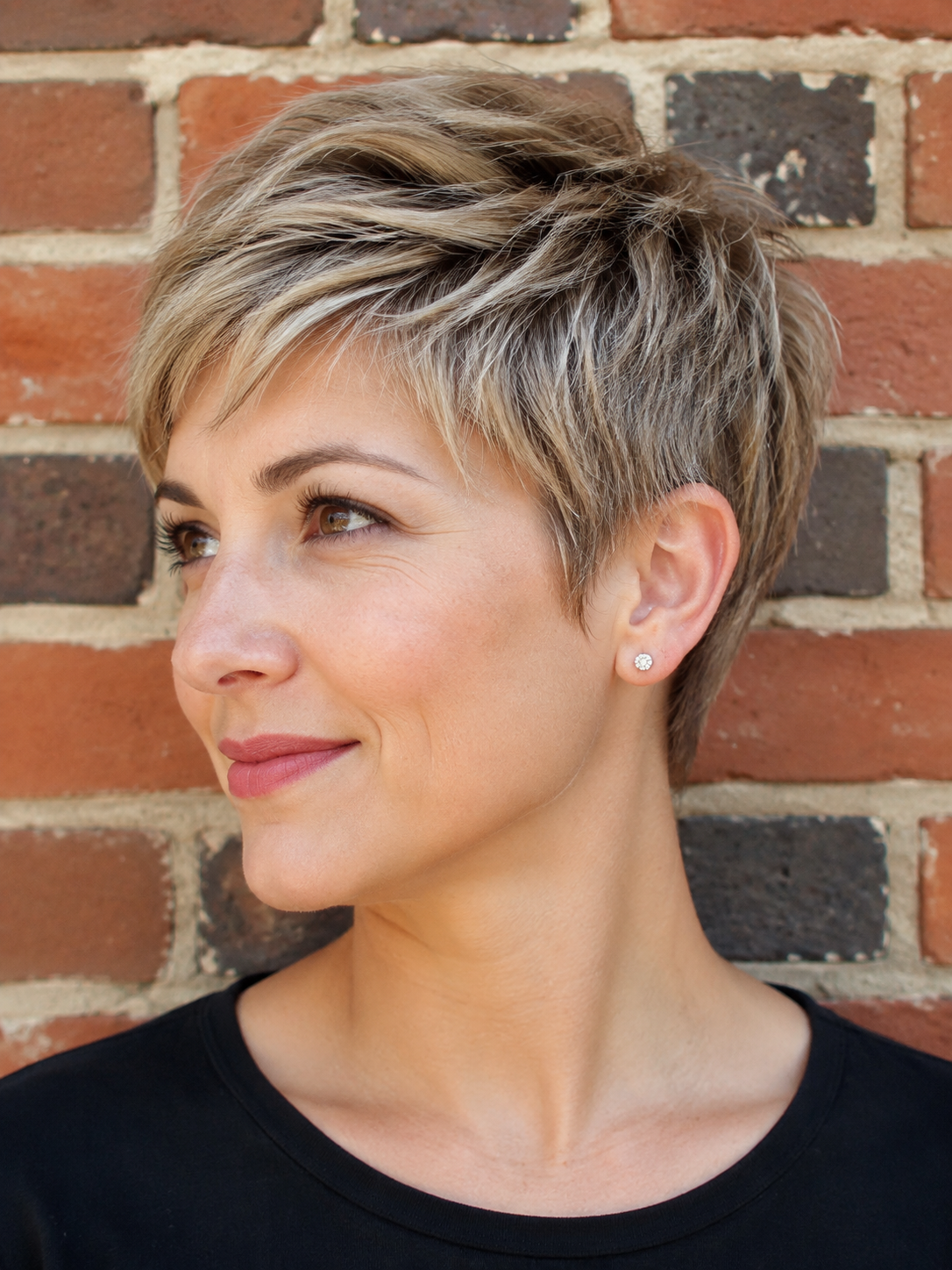
Fine, feathered layers cut throughout give this pixie a lighter, softer texture than a heavily choppy version. This works especially well on finer hair types, where thicker choppy layers can sometimes look sparse rather than intentional. A lightweight mousse on damp hair before diffusing keeps the feathered pieces separated.
Disconnected Choppy Pixie
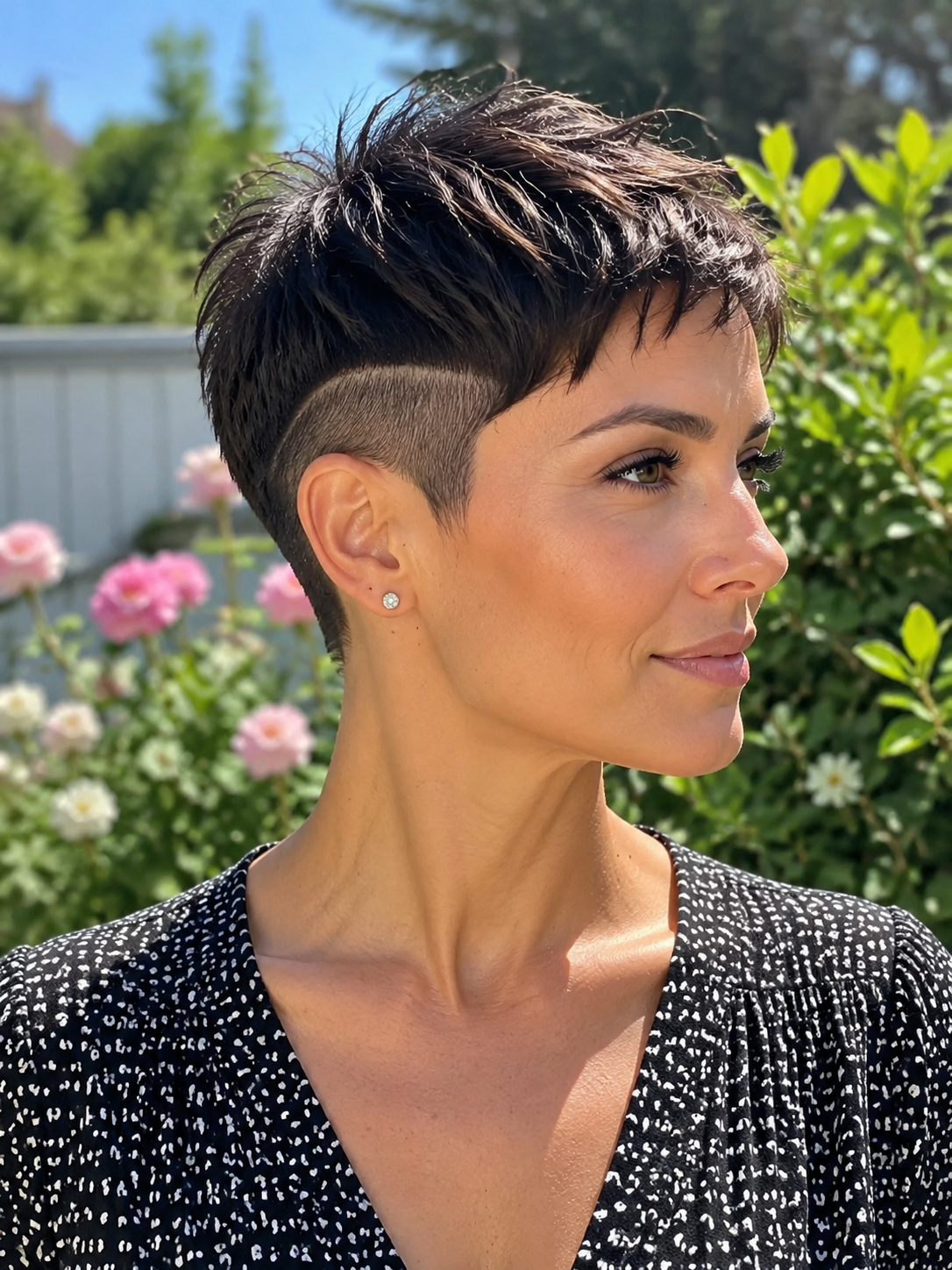
A sharp, deliberate length difference between the top and the sides creates a graphic, disconnected shape rather than a gradual blend. This cut needs regular trims every four to five weeks to maintain the crisp contrast between sections. Style the top upward with a strong-hold product for the boldest version of this look.
Choppy Pixie with Long Bangs
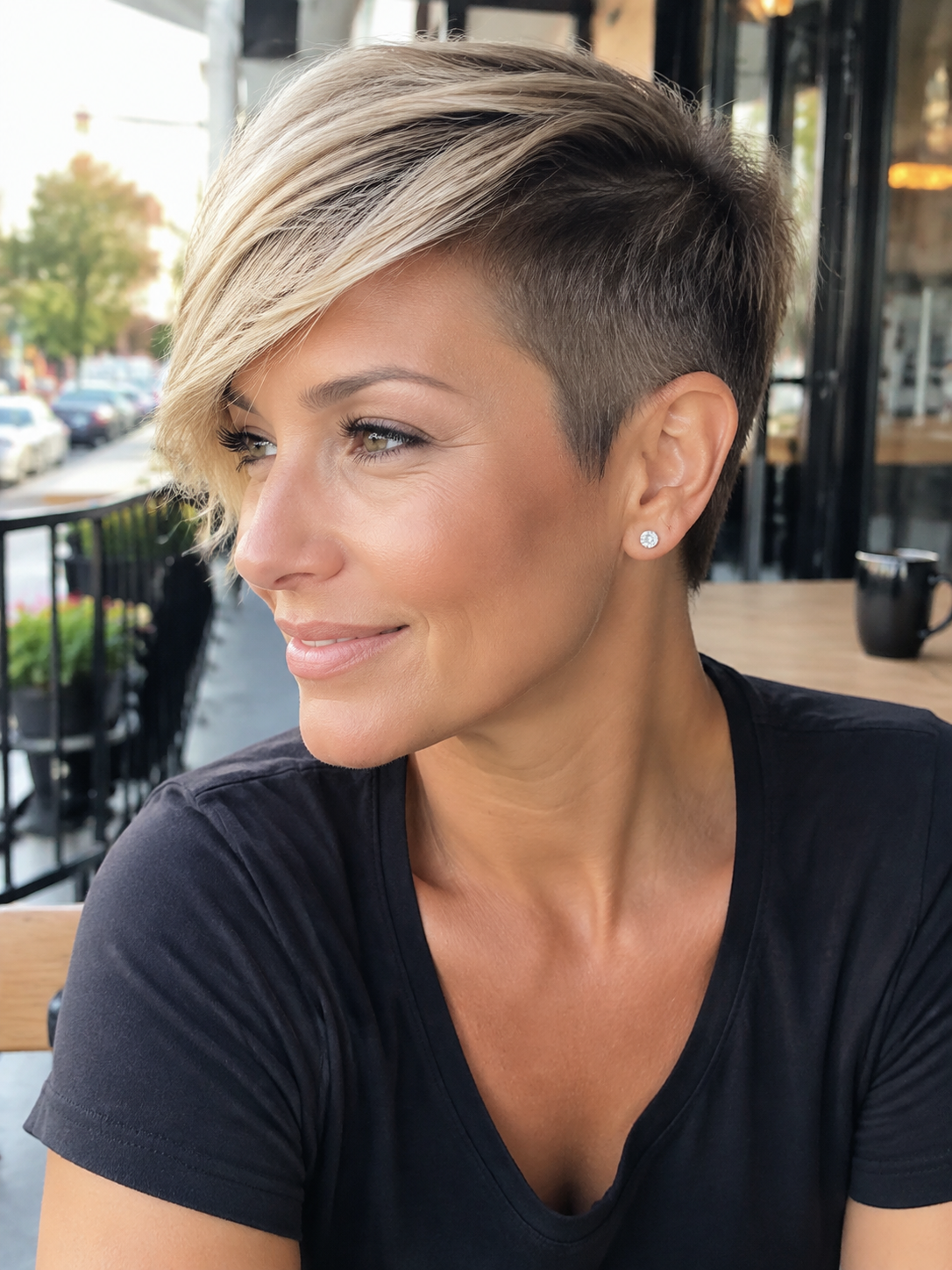
Longer, sweeping bangs paired with a very short choppy pixie underneath create dramatic contrast between length at the front and cropped sides. This combination softens an otherwise very short cut and gives you something to style differently day to day. Ask your stylist to keep the bang length long enough to tuck behind an ear if needed.
Choppy Pixie Bob Hybrid
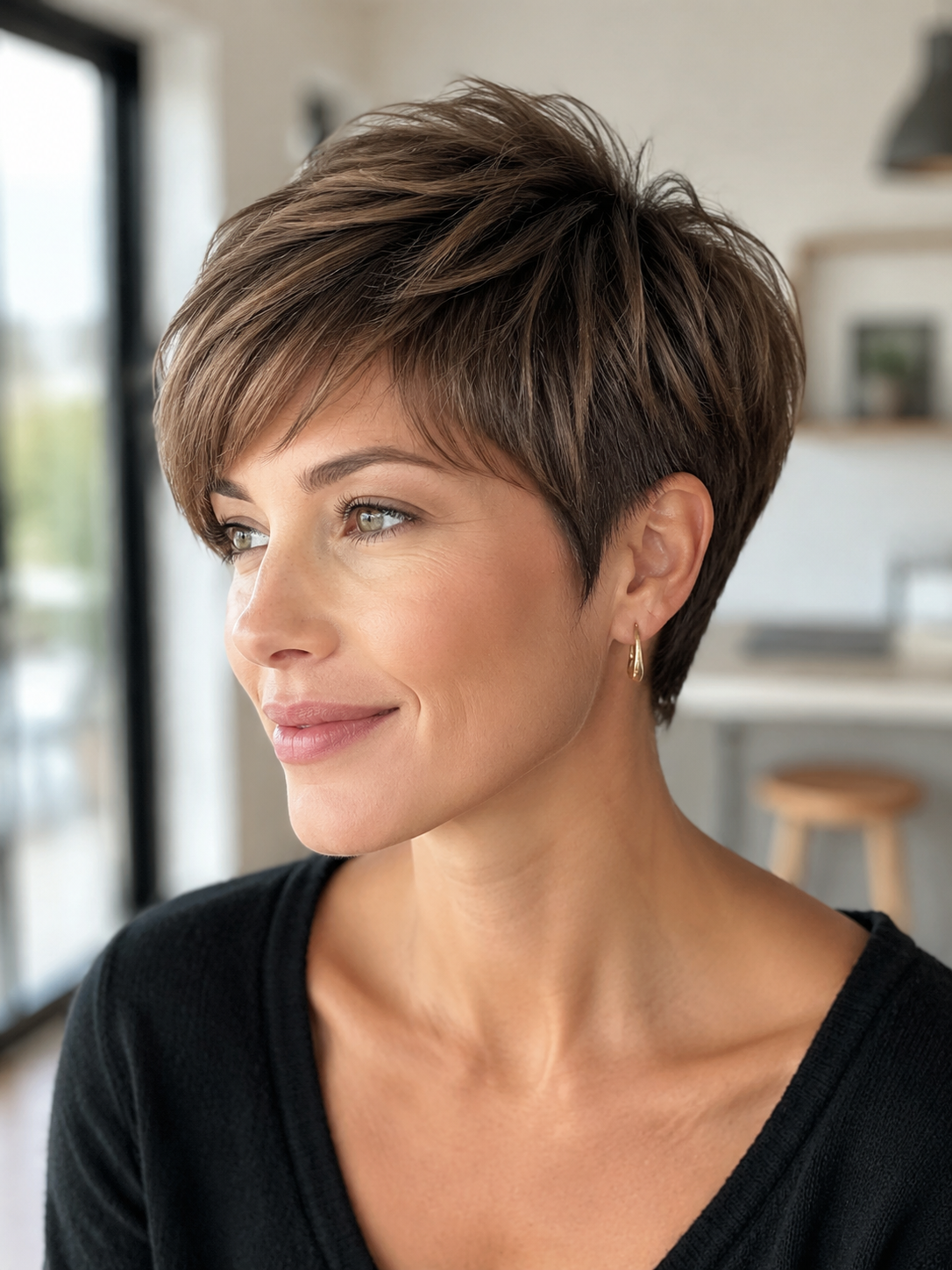
A slightly longer version, staying short at the sides and back but leaving a touch more length through the crown and front, bridges the gap between a pixie and a very short bob. This is a good option if you want the ease of a pixie without going quite as cropped. Ask for the cut to stay above the ears at the sides to keep the short silhouette intact.
Gray Choppy Pixie

Natural or colored gray on a choppy pixie gives the texture a metallic, dimensional quality that darker shades don’t show as clearly. Purple or blue-toned shampoo helps keep the gray from yellowing between salon visits. This combination photographs especially well in bright, clear light, where the texture and tone both show.
Balayage Choppy Pixie
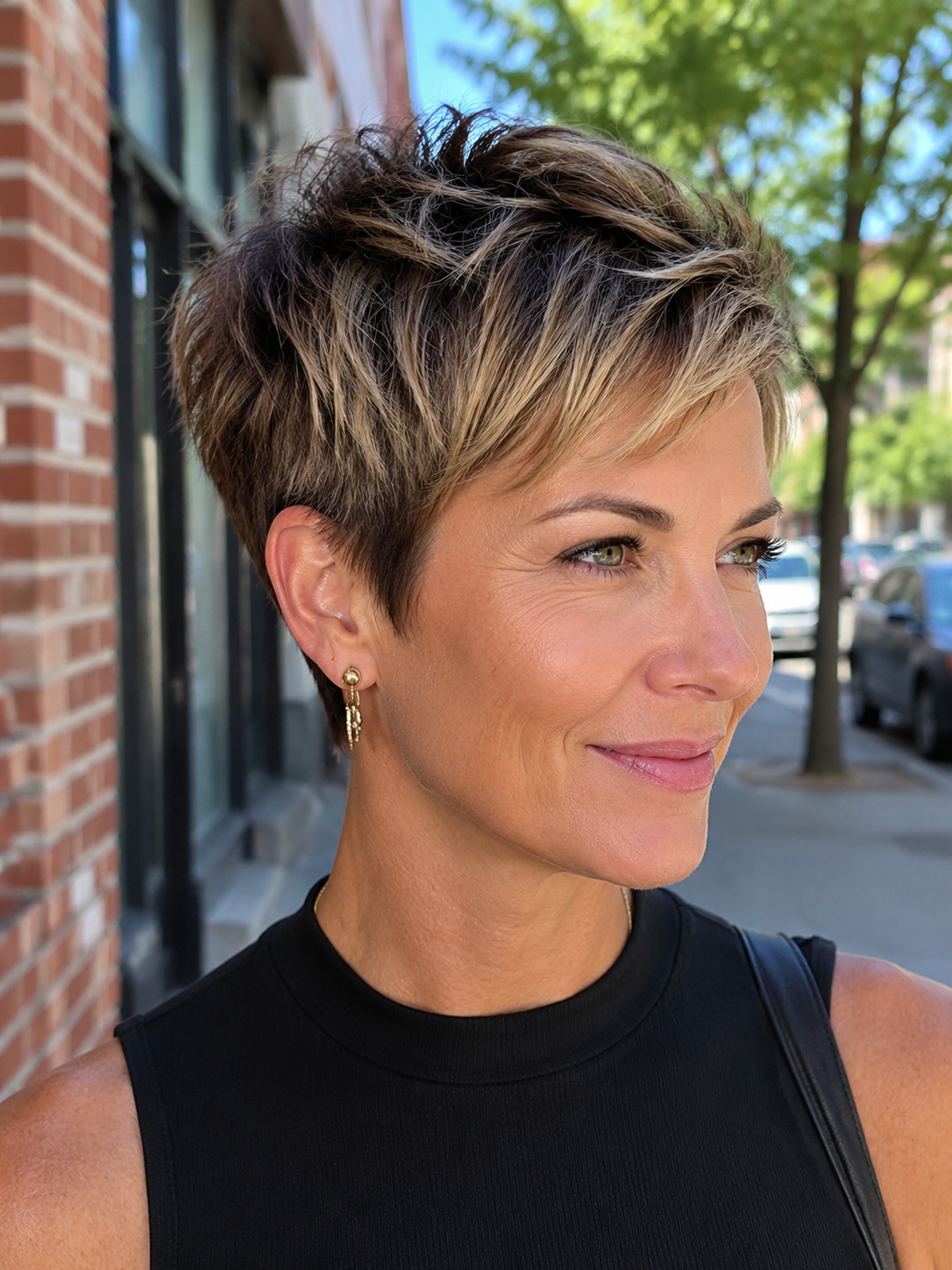
Hand-painted highlights through a choppy pixie add dimension that catches the light differently across each short layer. This technique grows out gracefully even on a short cut, since the color is painted with movement in mind rather than a hard, gridded pattern. It works especially well on textured or wavy pixies, where the highlights emphasize the existing movement.
Choppy Pixie for Fine Hair

Shorter, more concentrated choppy layers at the crown build the illusion of extra density on naturally thin, sparse strands. This version relies more heavily on styling product than a choppy pixie on thicker hair, since fine strands need help holding texture through the day. A volumizing mousse applied at the root before drying makes the biggest difference.
Choppy Pixie with Shaved Sides
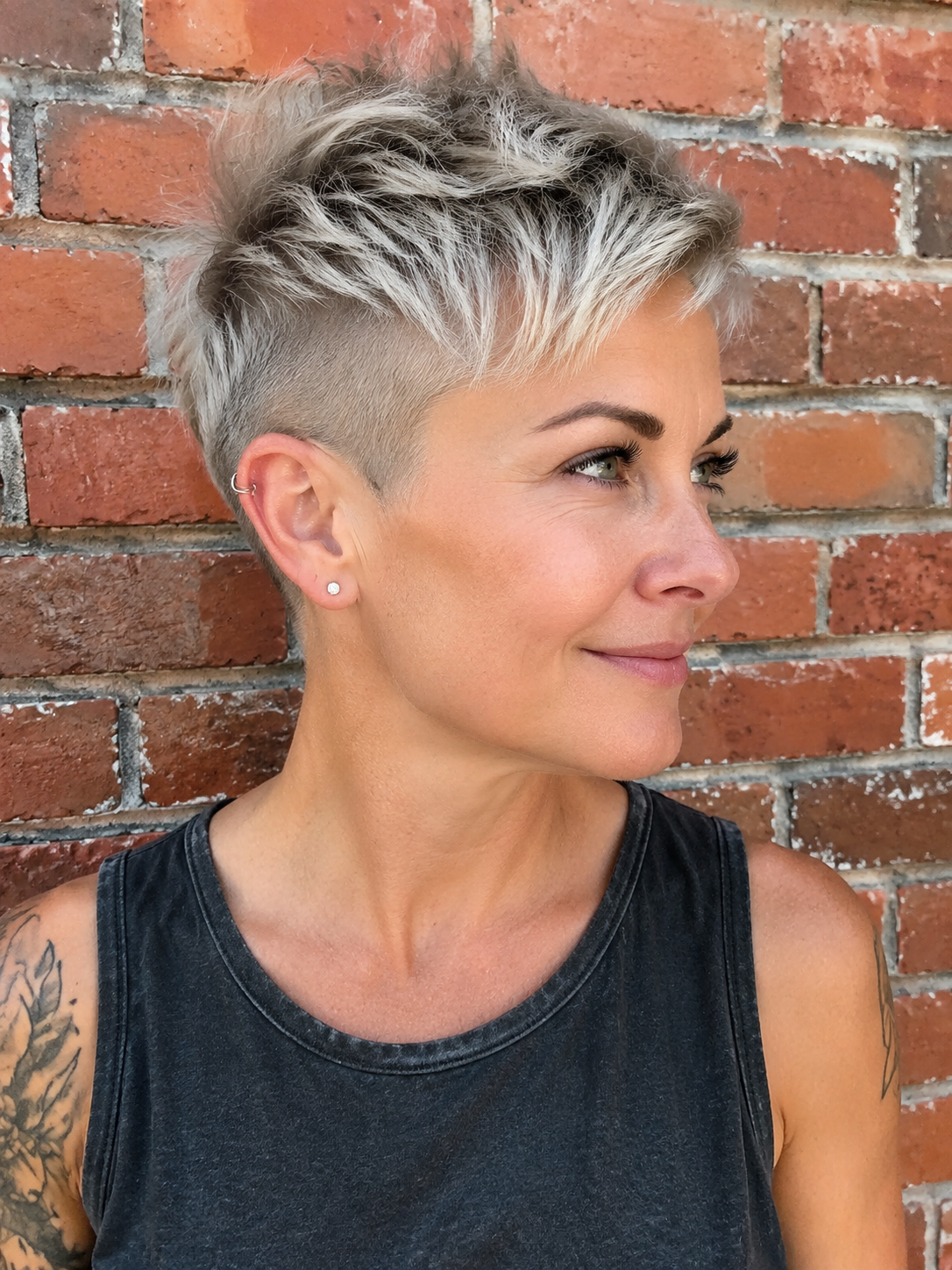
Fully shaved sides paired with longer, choppy texture on top create the most dramatic contrast on this list between cropped and textured lengths. This version needs the most frequent maintenance of any choppy pixie, since the shaved sides grow out visibly within just a couple of weeks. Style the top pieces forward or upward depending on the finish you want.
Piece-y Choppy Pixie
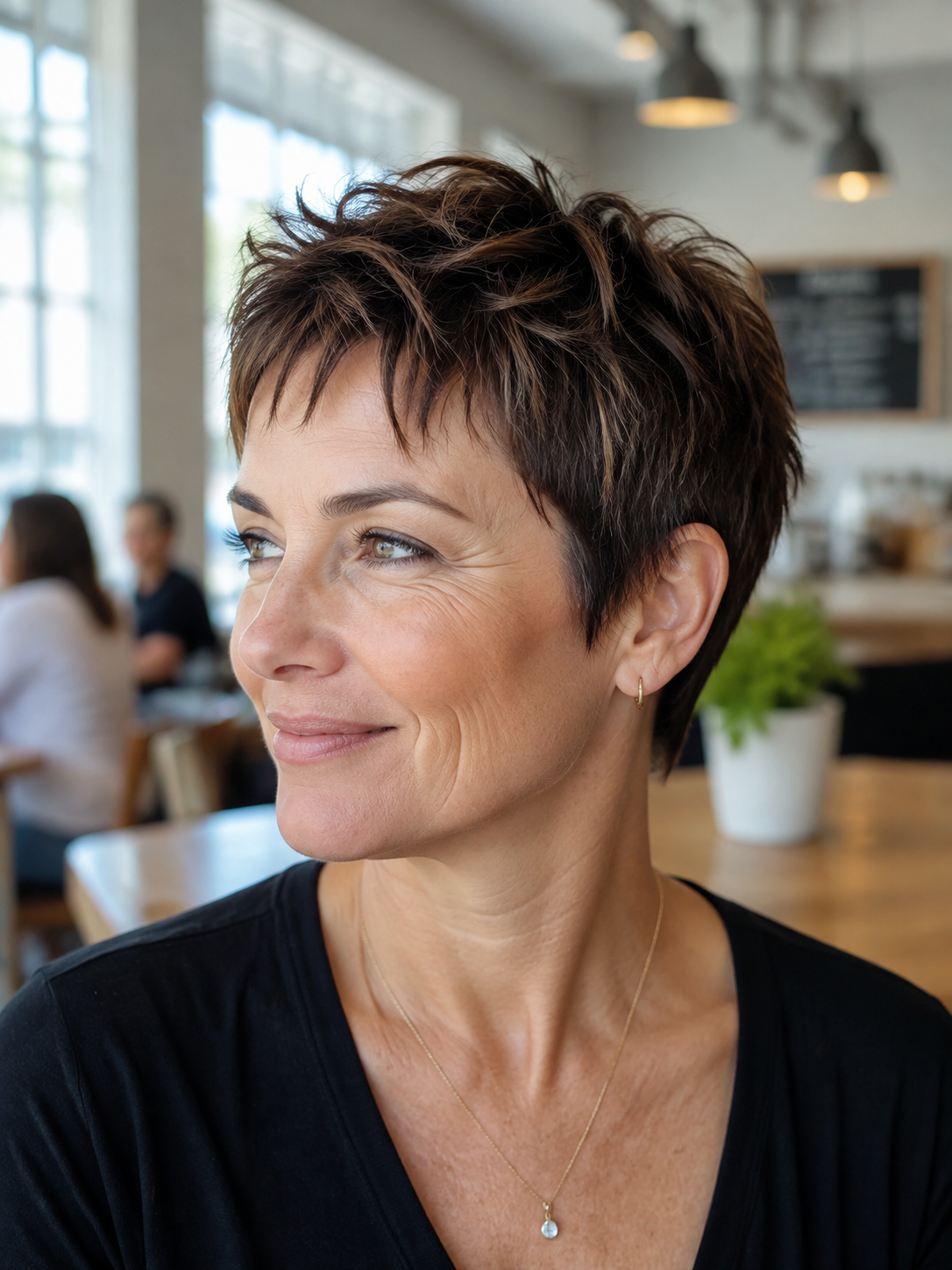
Heavily separated, piece-y sections throughout give this pixie a deliberately fragmented, editorial finish. A pomade or wax worked through dry hair with fingertips, never a comb, keeps each piece distinct rather than blending back together. This style pairs especially well with natural texture rather than a smoothed, polished finish.