Lavender is one of those colors that looks effortless in photos and takes real work behind the scenes. Almost every version needs a light base to show up true to tone, and it fades faster than most fashion colors out there. None of that makes it less worth trying, it just means going in with realistic expectations about touch-ups. Here are 18 ways to wear it, from full commitment to barely-there.
Pastel Lavender
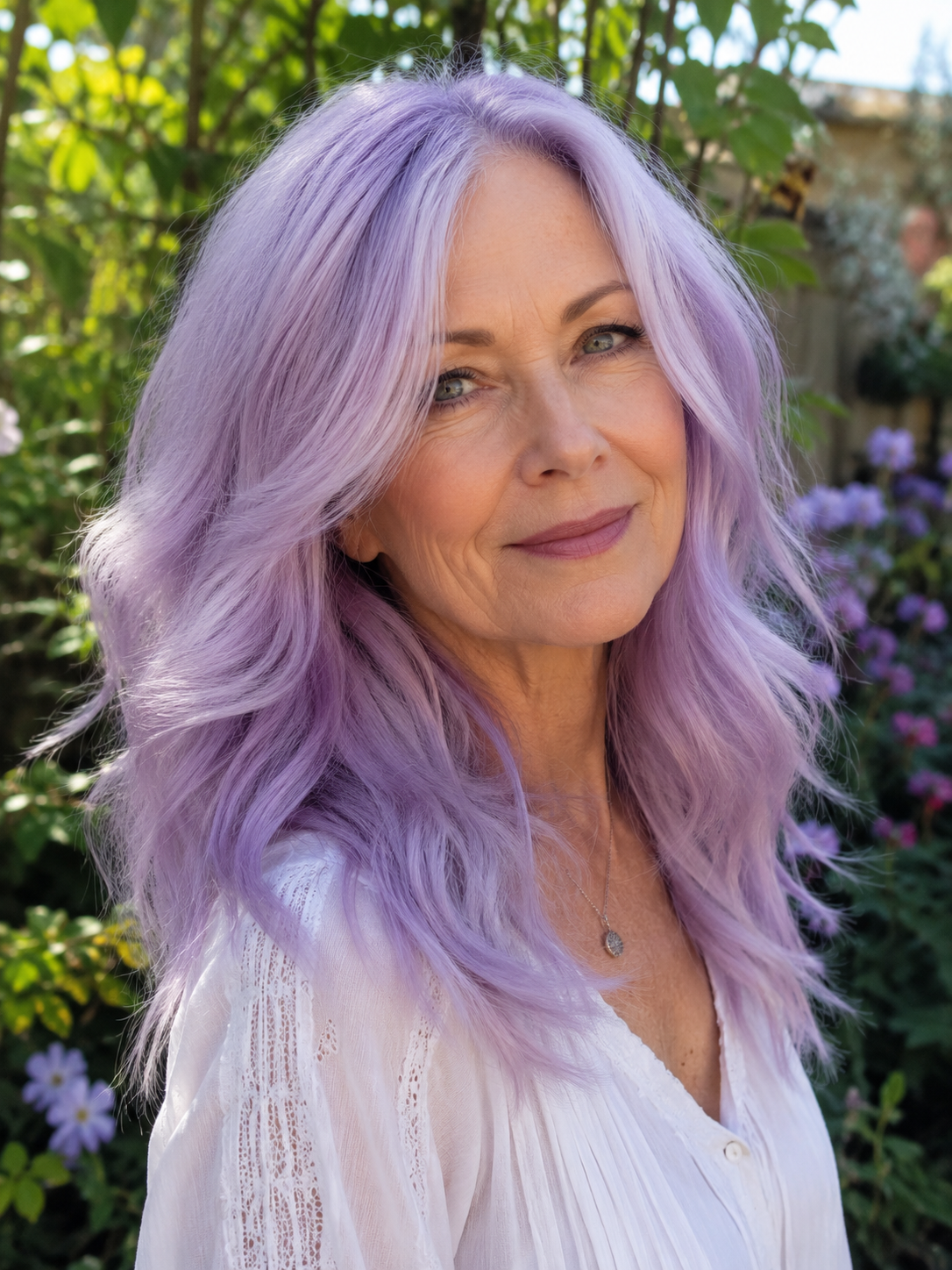
A soft, light purple all over works best on naturally blonde or pre-lightened hair. This shade fades quickly, often within a few weeks, so a purple-toned shampoo between salon visits helps maintain the tone.
Metallic Lavender
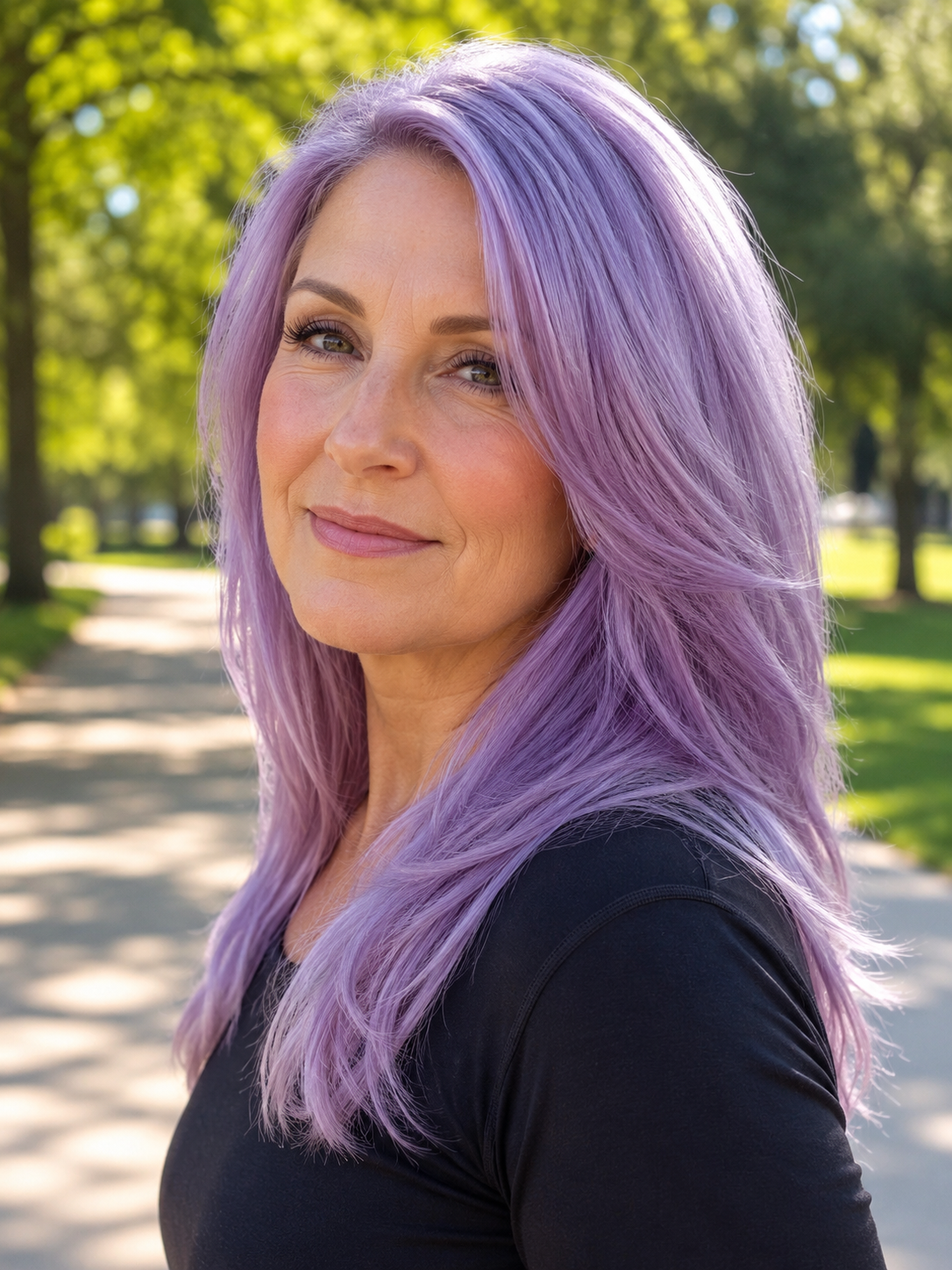
A grayish, dusty finish gives this version a glossy, almost liquid-metal quality rather than a flat pastel look. It suits a wider range of skin tones than pure pastel lavender and holds up slightly better between color refreshes.
Digital Lavender
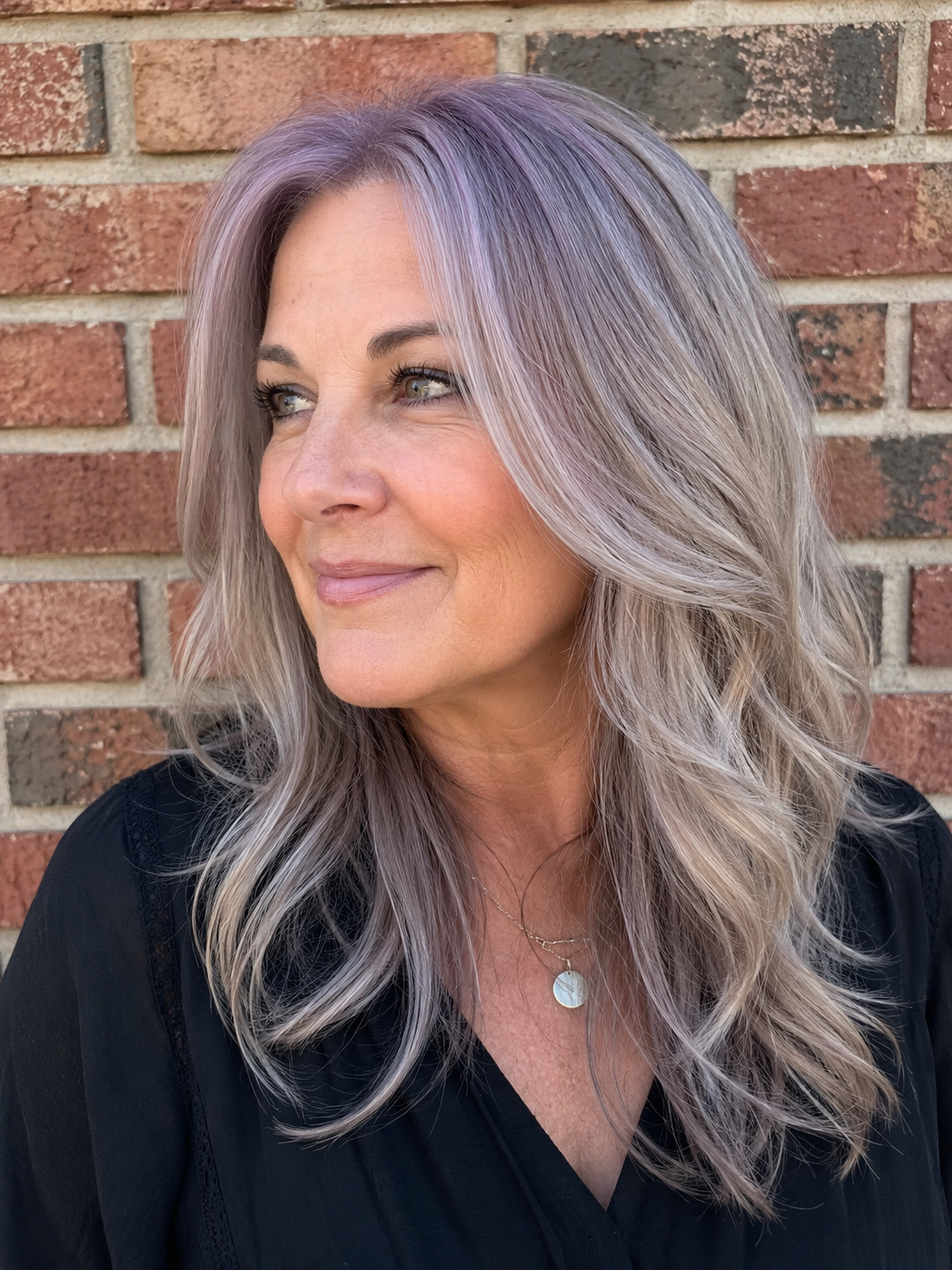
Applied as a soft root shadow or subtle balayage rather than all over, this version blends gently into the rest of the hair. It grows out gracefully, meaning far fewer salon visits than a full-head lavender application.
Dark Lavender
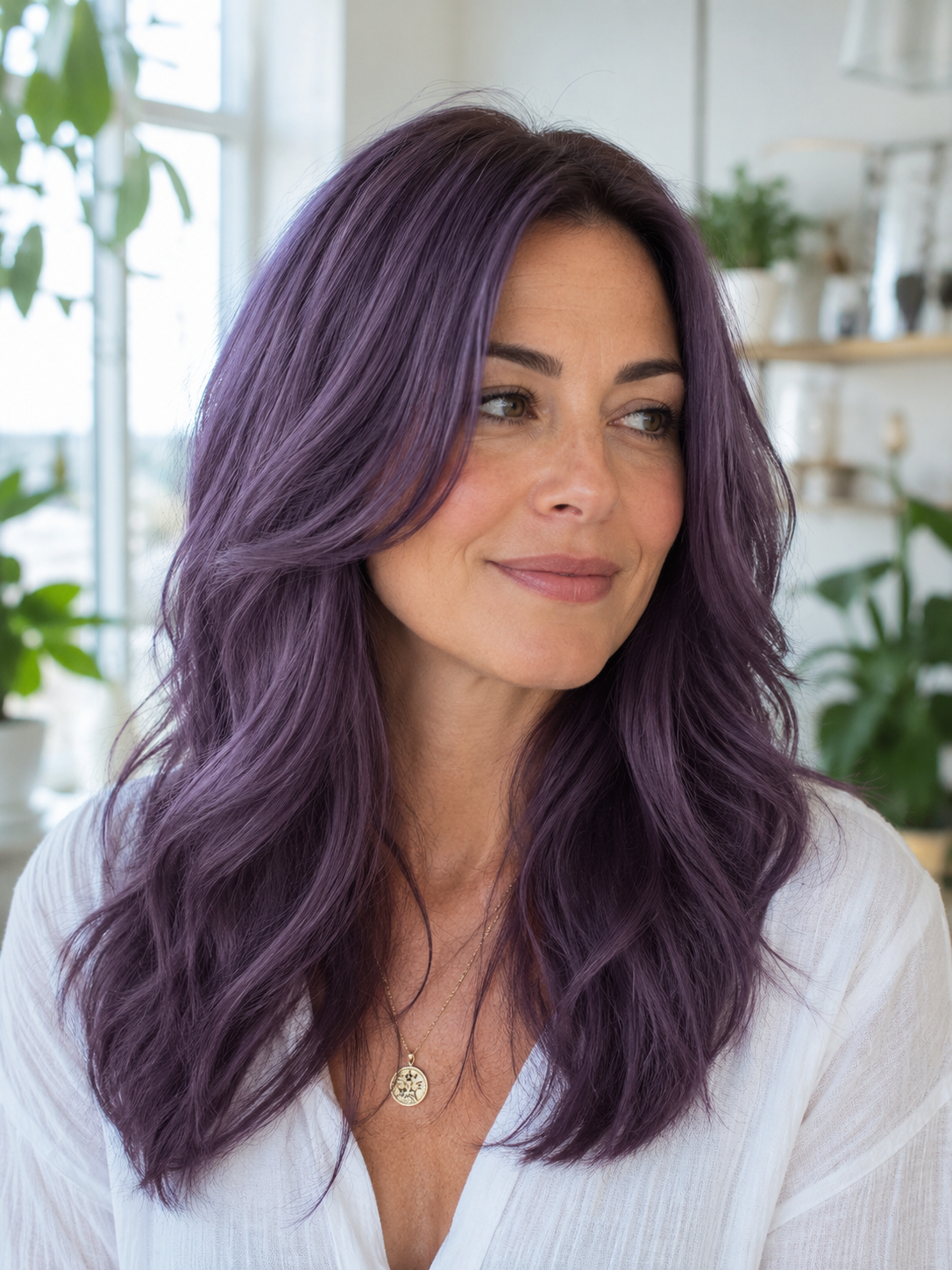
A deeper, muted purple lets you try the trend without the drama of a full pastel commitment. This works on darker natural hair with less pre-lightening required, making it a gentler entry point into the color.
Lavender Root Melt
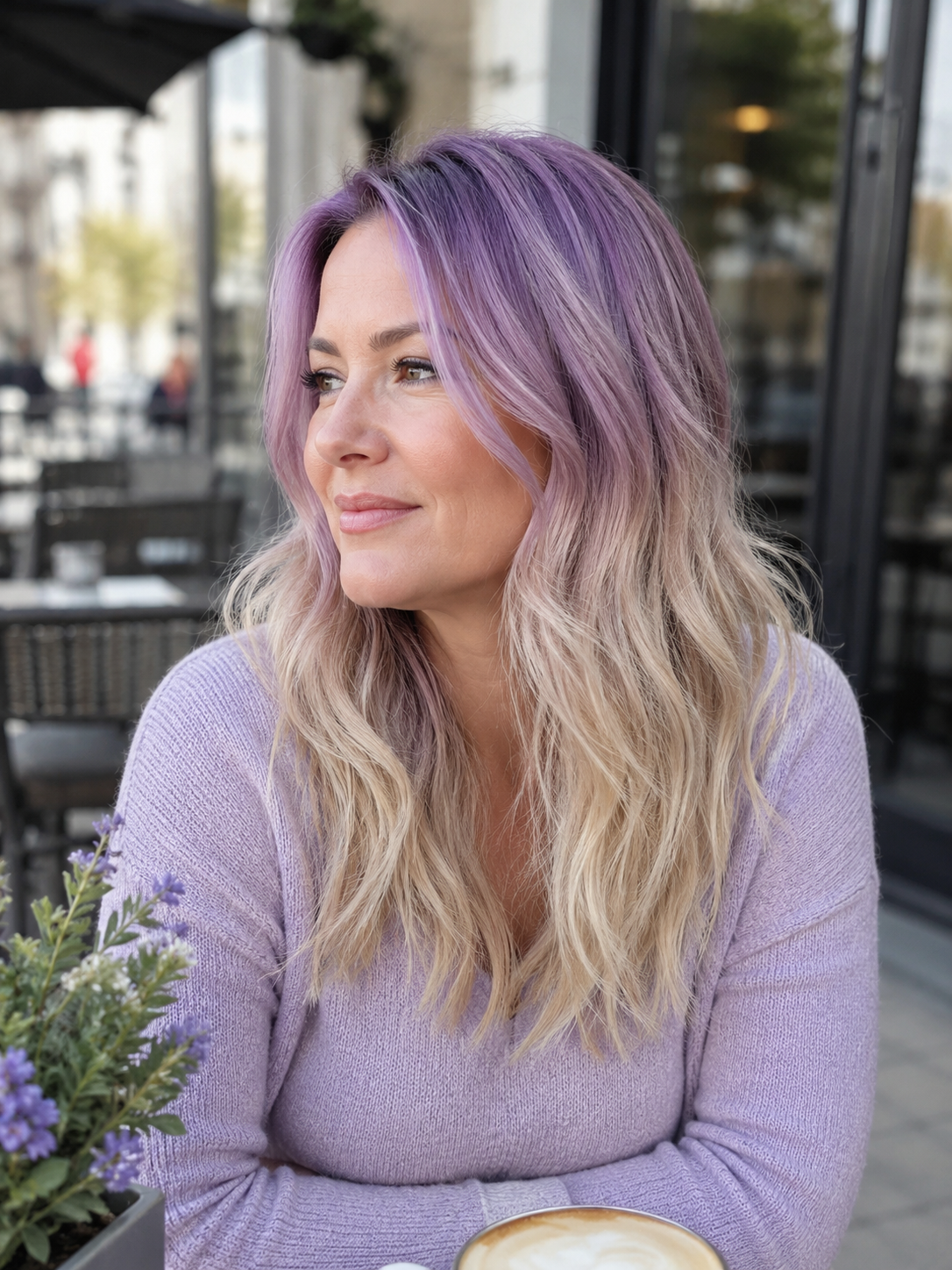
Roots that fade into lavender rather than starting with a hard line create a soft, low-maintenance transition. This approach works particularly well on light blonde bases and helps disguise regrowth between appointments.
Lavender Dip-Dyed Ends
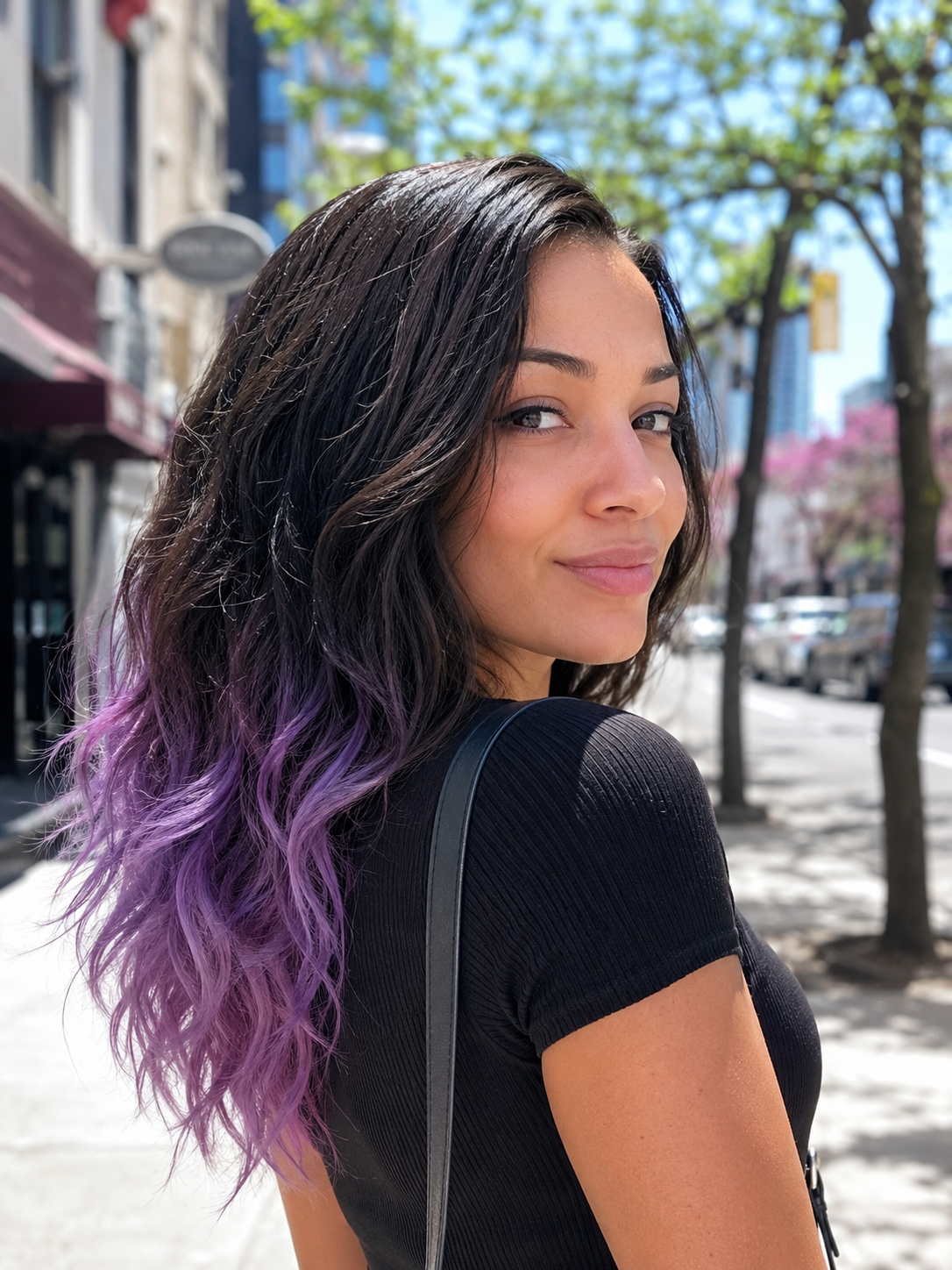
Only the ends are dipped into lavender dye, leaving the rest of the hair in its natural or base color. This is an easy way to test the trend without committing to an all-over application or extensive bleaching.
Lavender Balayage
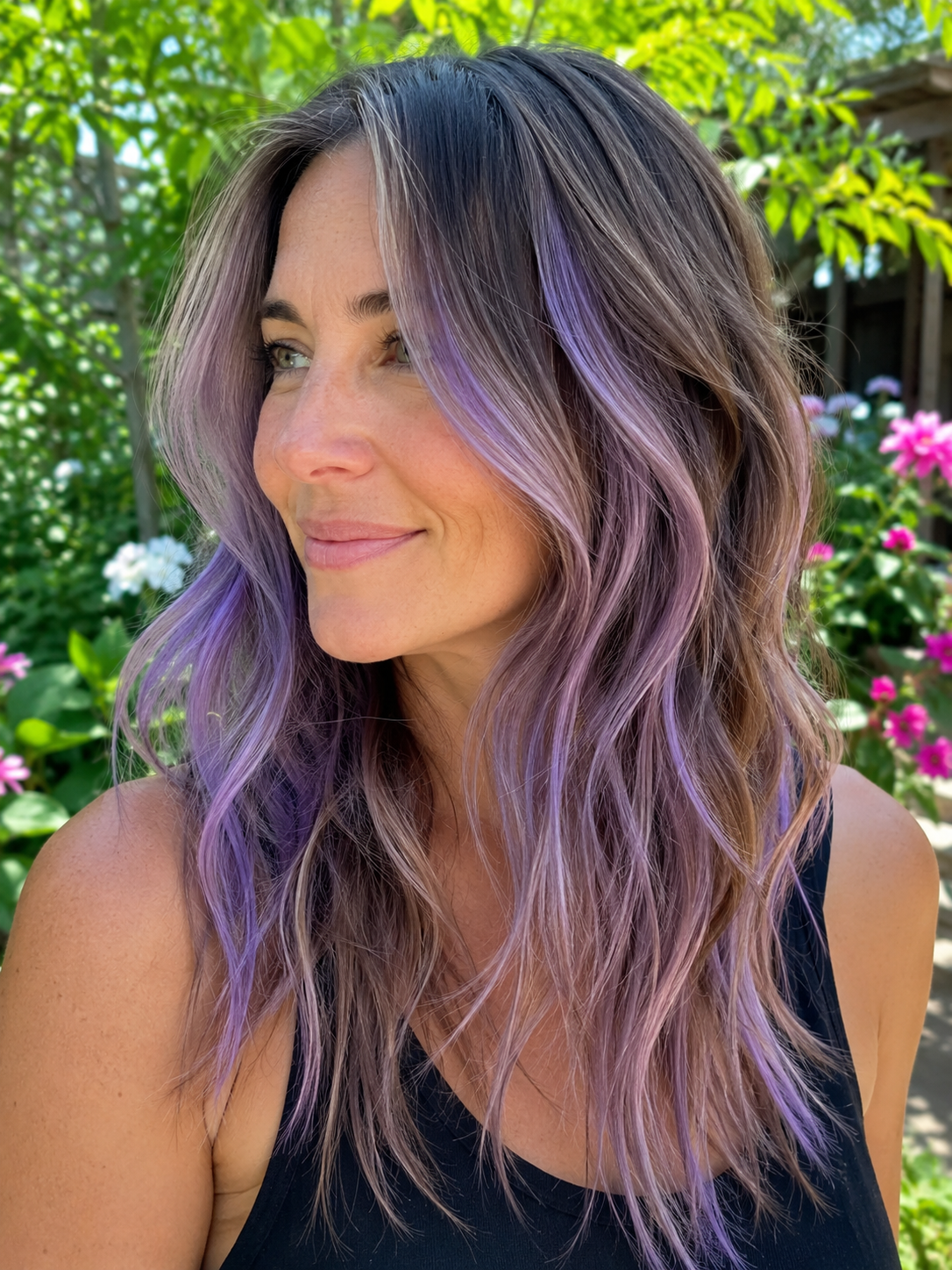
Hand-painted lavender pieces woven through natural hair give dimension without a solid block of color. This technique grows out more naturally than all-over dye, since the placement already mimics natural light and dark variation.
Lavender Highlights on Brunette
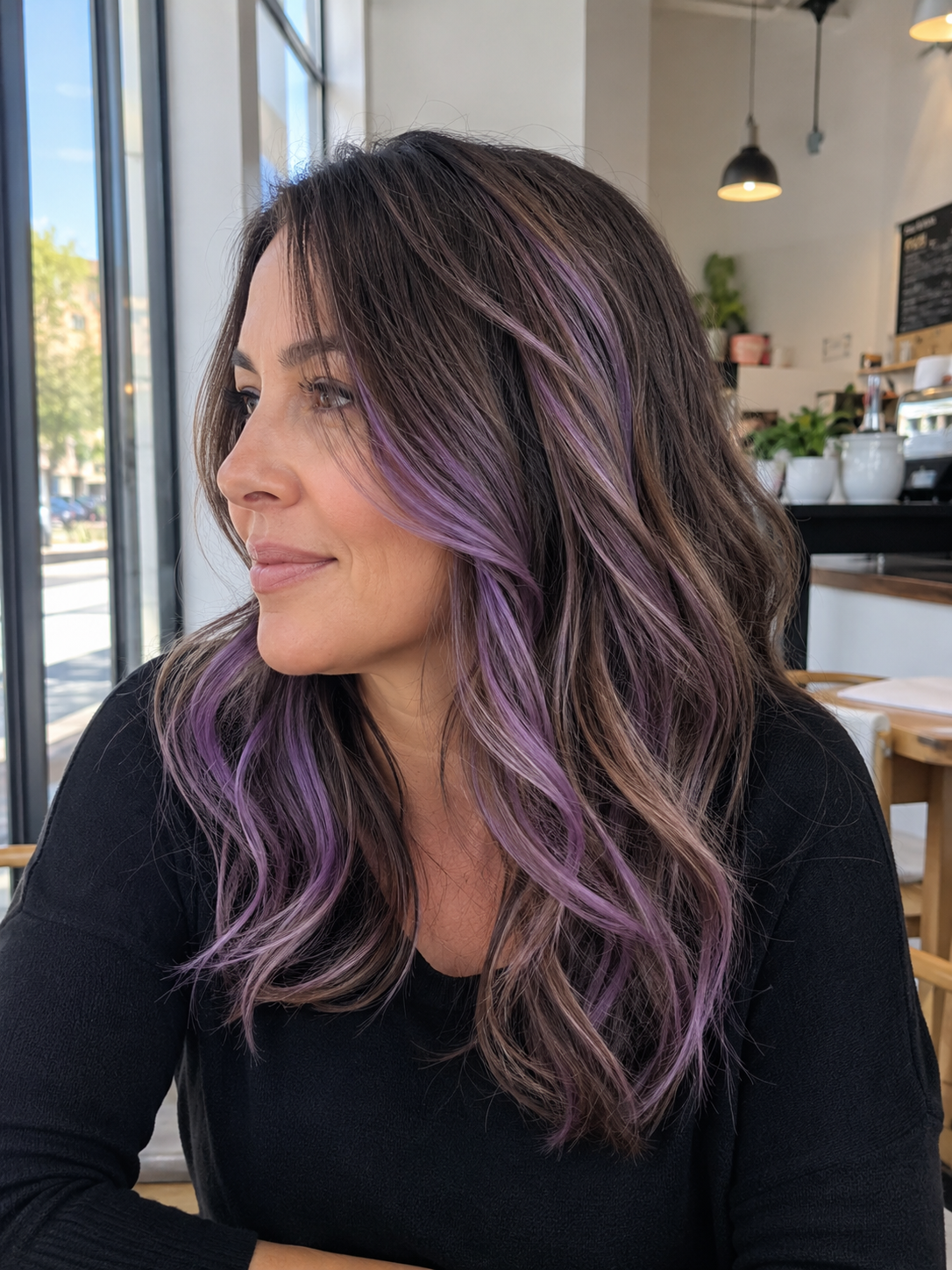
Streaks of lavender added to brown hair create a bold pop without requiring a full bleach job first. This pairs well with warmer undertones in the base color, softening the contrast between natural and vivid tones.
Smoky Lilac
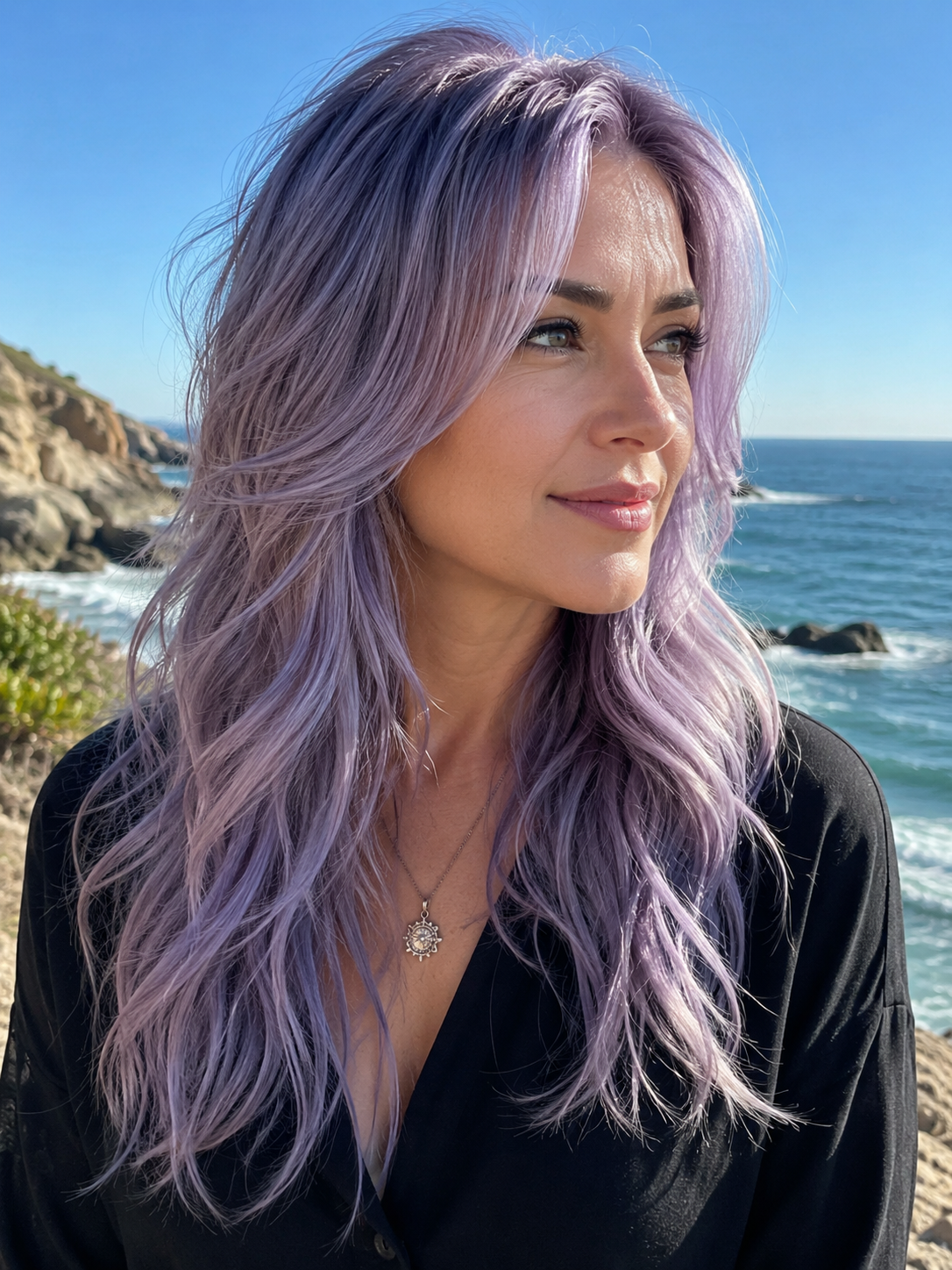
A muted lavender with hints of silver sits between a soft pastel and a bold fantasy color. This shade suits cooler skin tones especially well and photographs with a slightly edgier, less sweet quality than classic lavender.
Lavender and Blue Melt
Blending lavender into blue creates a seamless transition since the two tones sit close together on the color wheel. An ombré technique works particularly well here, letting one color melt gently into the other without a harsh line.
Lavender Highlights on Gray Hair
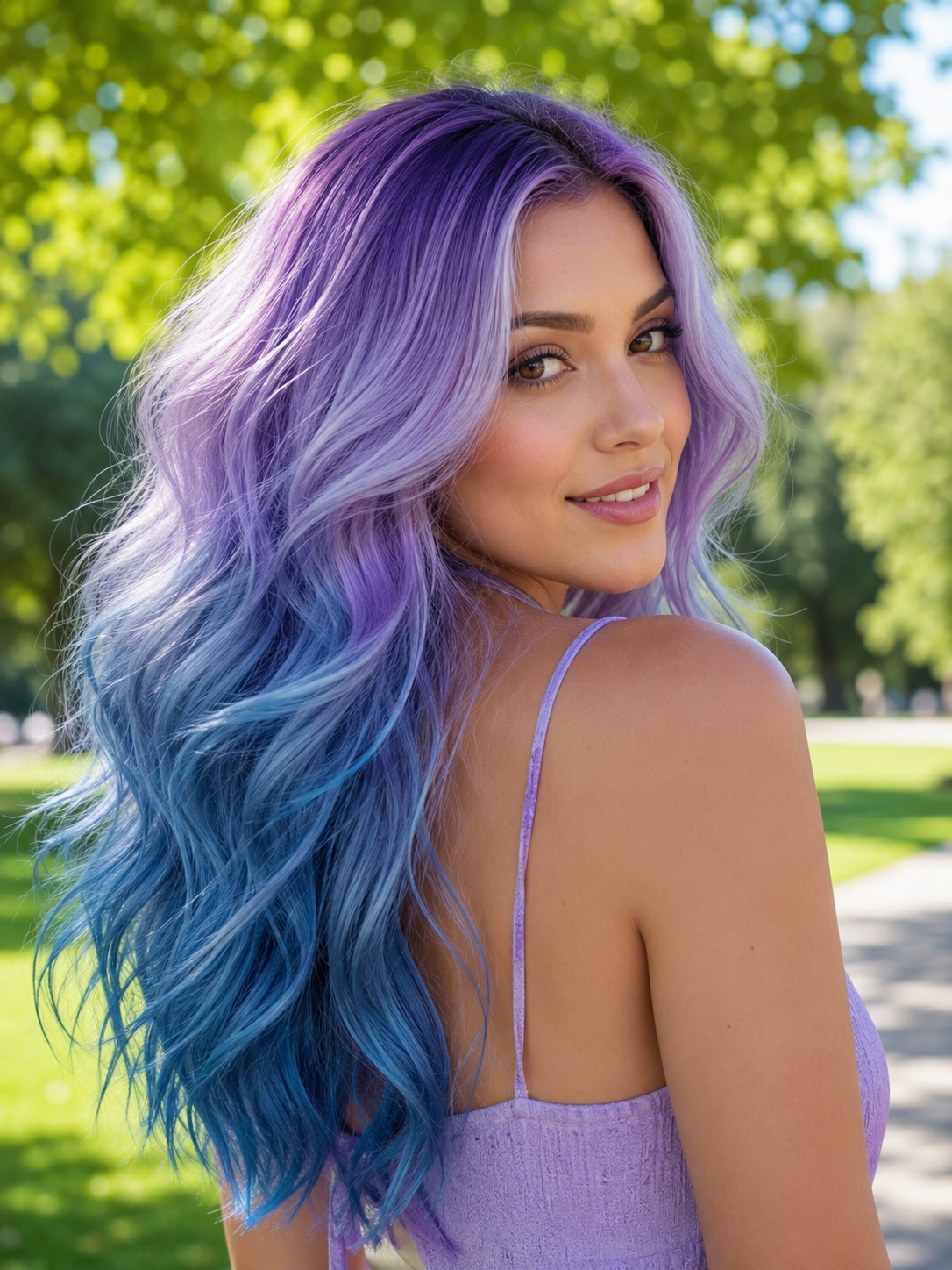
Lavender streaks worked into naturally gray or silver hair add a soft, intentional pop of color rather than looking like an attempt to hide the gray. This combination requires less upkeep than lavender on darker bases.
Periwinkle Lavender
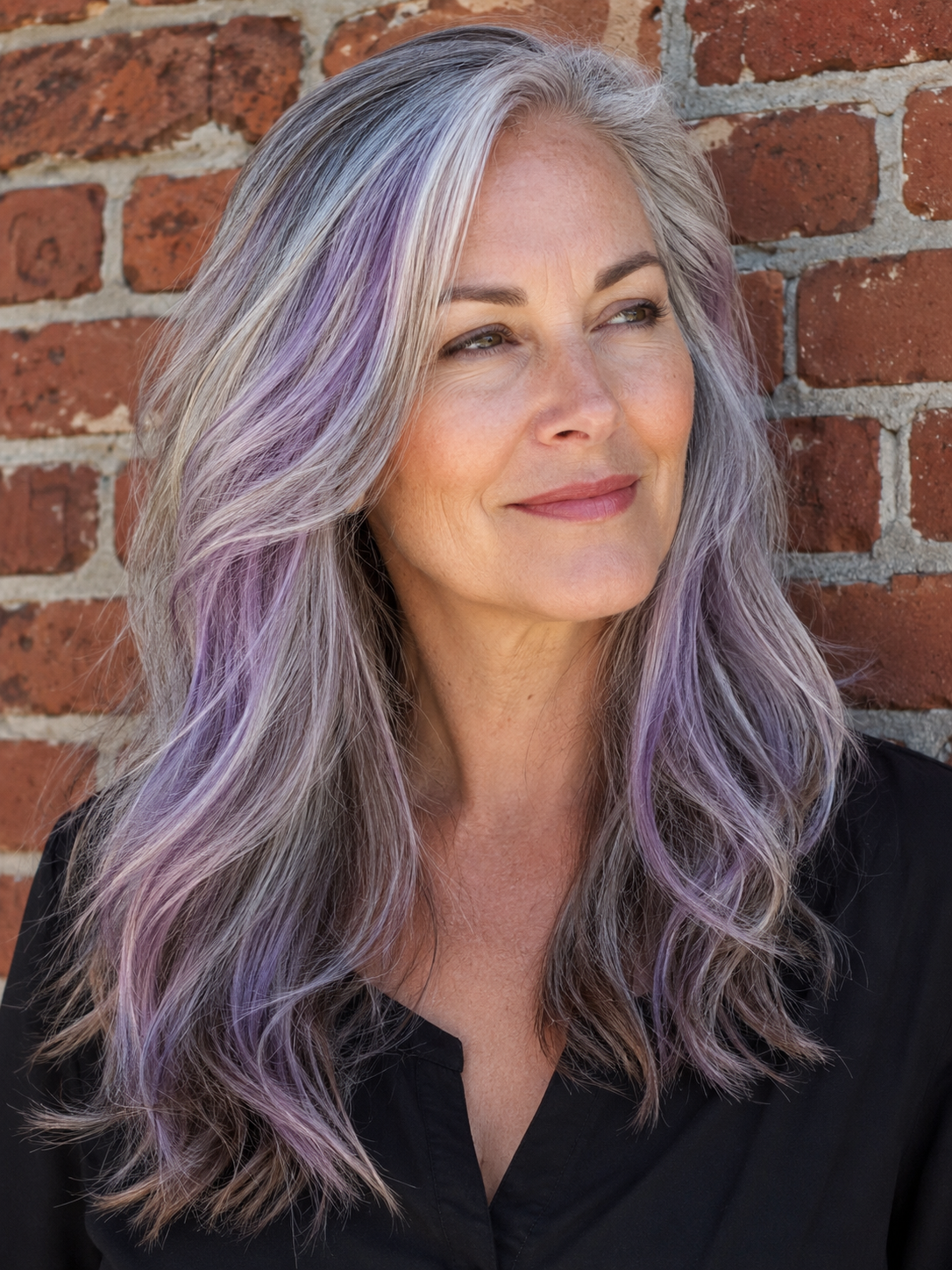
Leaning slightly more blue than purple, this shade gives a cooler, dreamier finish than classic lavender. It works especially well on light blonde hair and tends to fade into a soft silvery tone rather than turning brassy.
Lavender Ombré
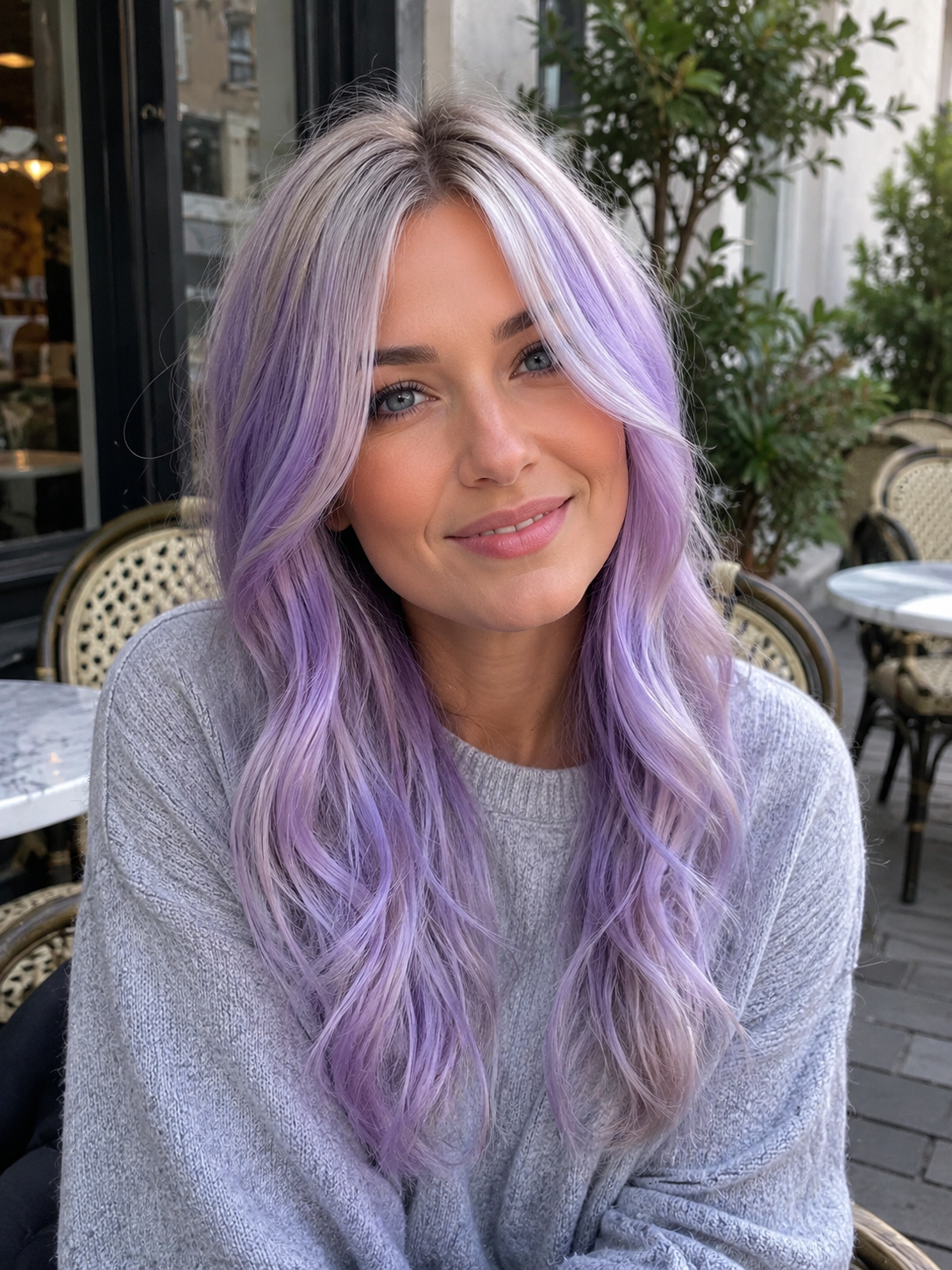
Natural roots transition into vivid lavender through the mid-lengths and ends, creating clear dimension from base to tip. This approach requires bleaching through the ends but leaves the roots untouched, which keeps maintenance more manageable.
Delicate Lavender Toner
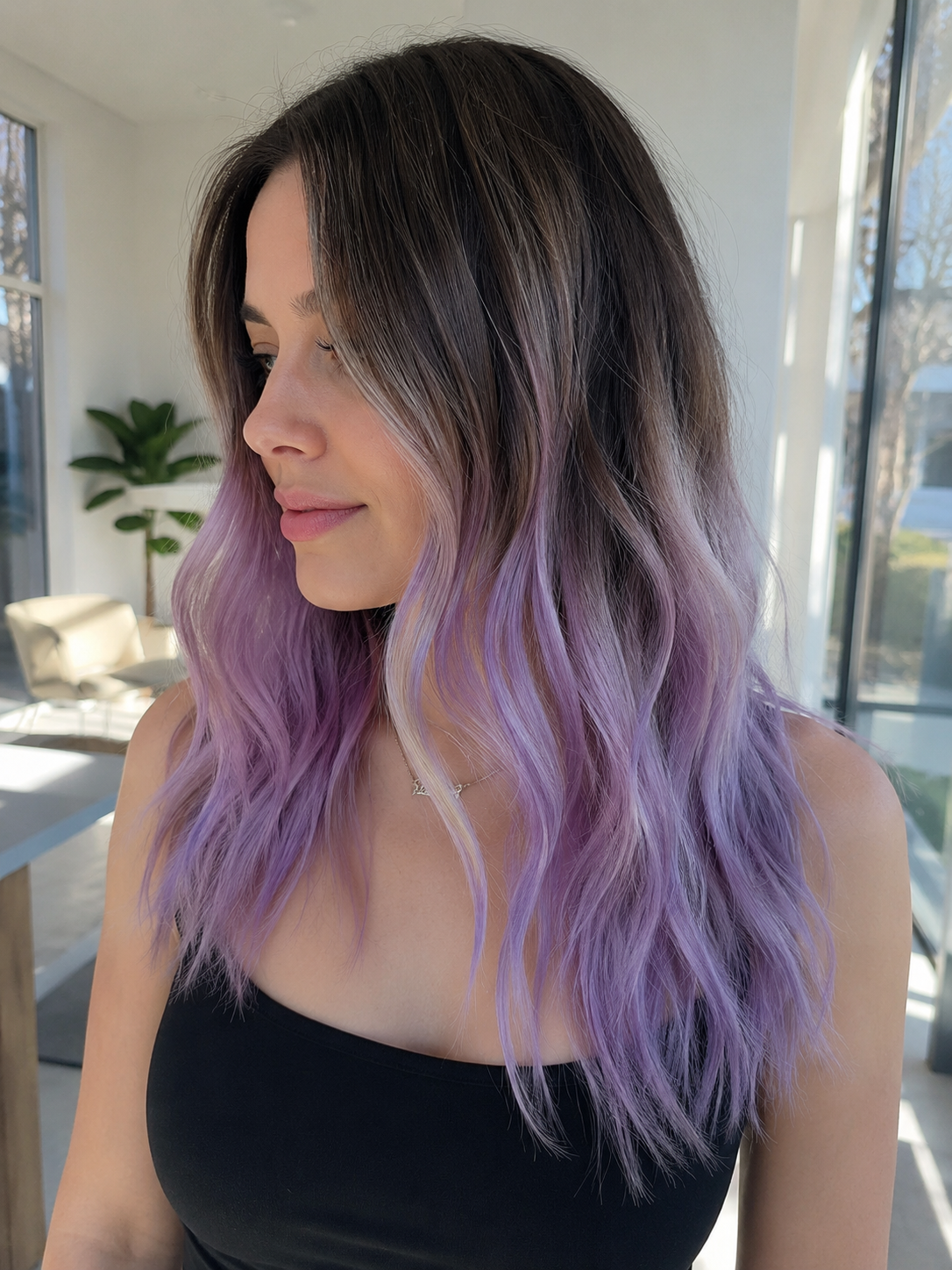
A sheer, translucent lavender toner applied over pre-lightened hair gives a barely-there wash of color rather than a bold statement. This is a gentle way to test the trend with minimal commitment and quick fading if you change your mind.
Lavender on Curly Hair
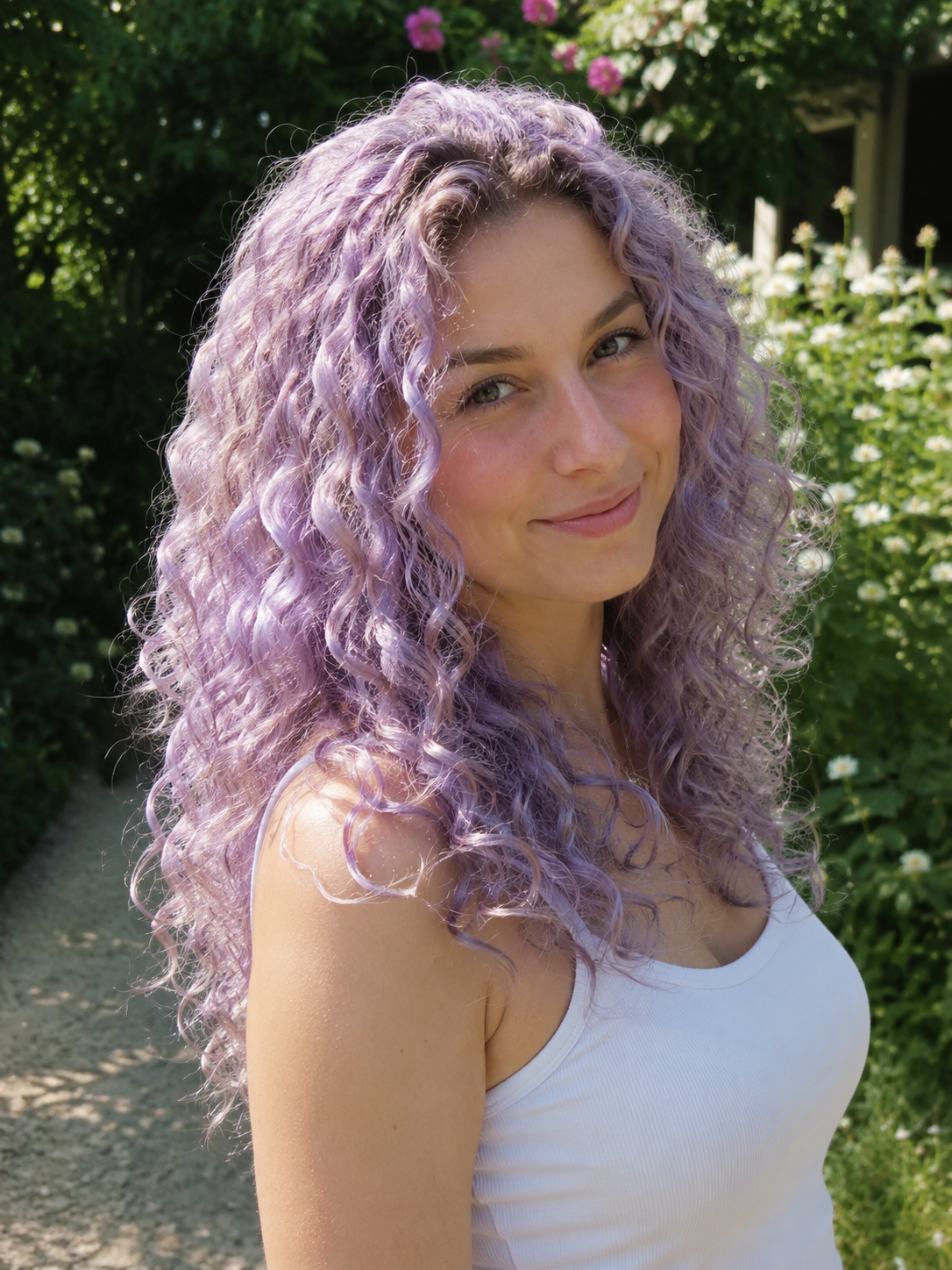
Curl pattern catches lavender color beautifully, since each curl reflects light differently and adds natural-looking dimension. A curl-safe, sulfate-free routine helps preserve both the color and the curl definition between washes.
Lavender Money Piece
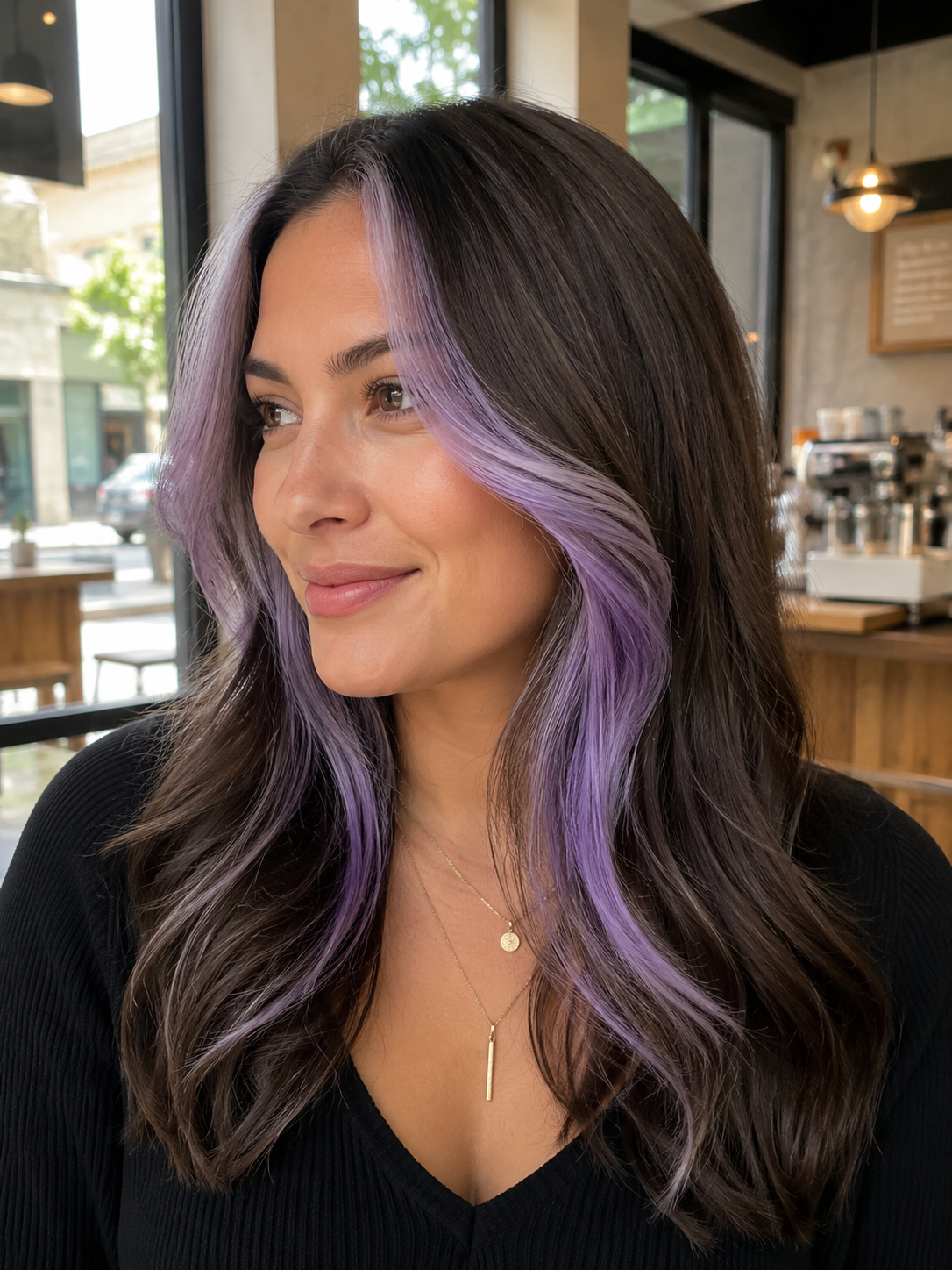
Two face-framing pieces colored lavender brighten the whole look without committing the rest of the hair to a vivid shade. This placement draws the eye upward toward the cheekbones and requires far less bleaching than an all-over application.
Chrome Lavender
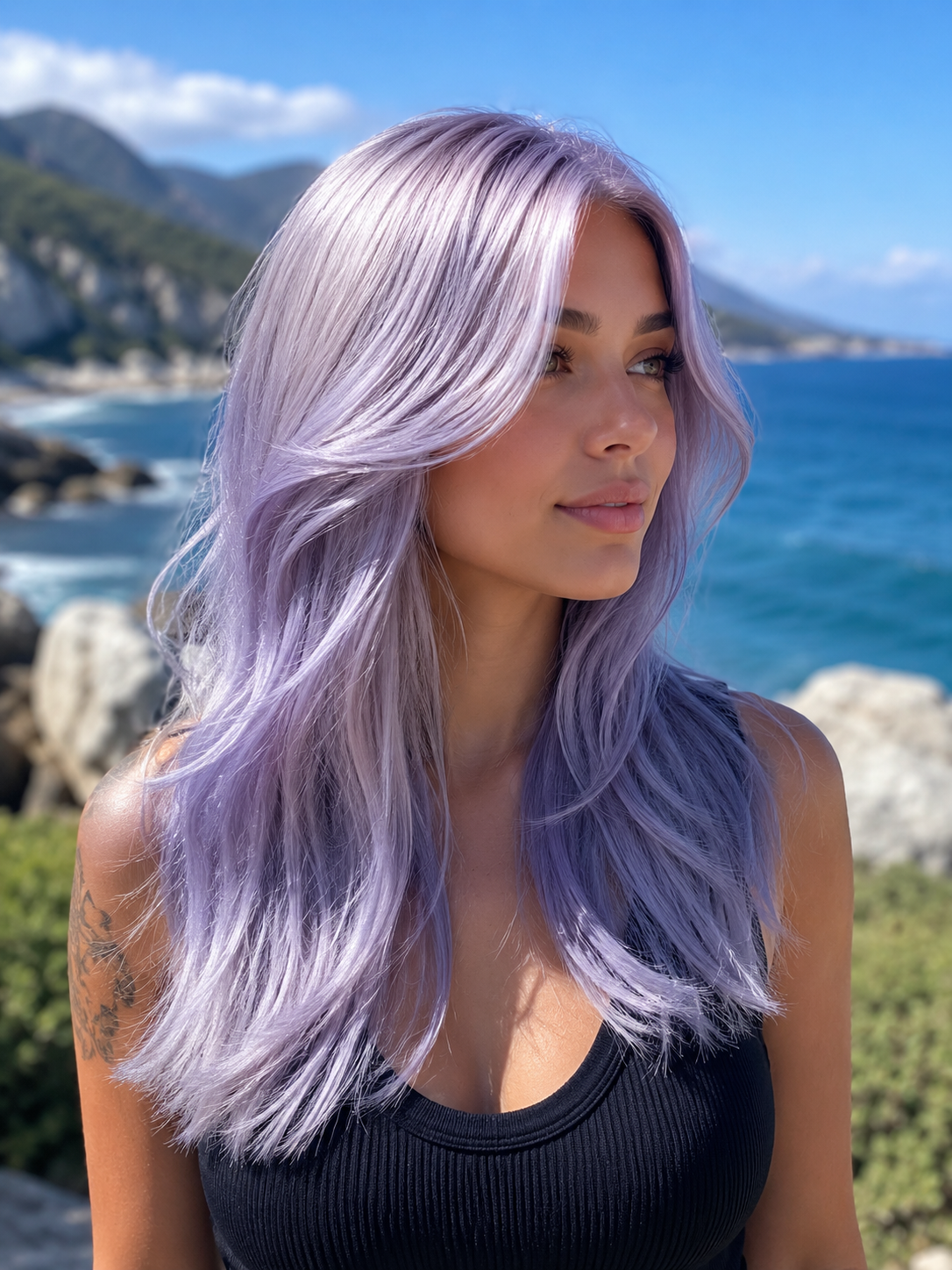
A cool, silvery lavender with a high-shine, almost mirror-like finish works best on hair that’s already very light or platinum. This version needs regular toning to prevent the silver base from shifting warm or brassy between appointments.
Lavender with Pink Undertones
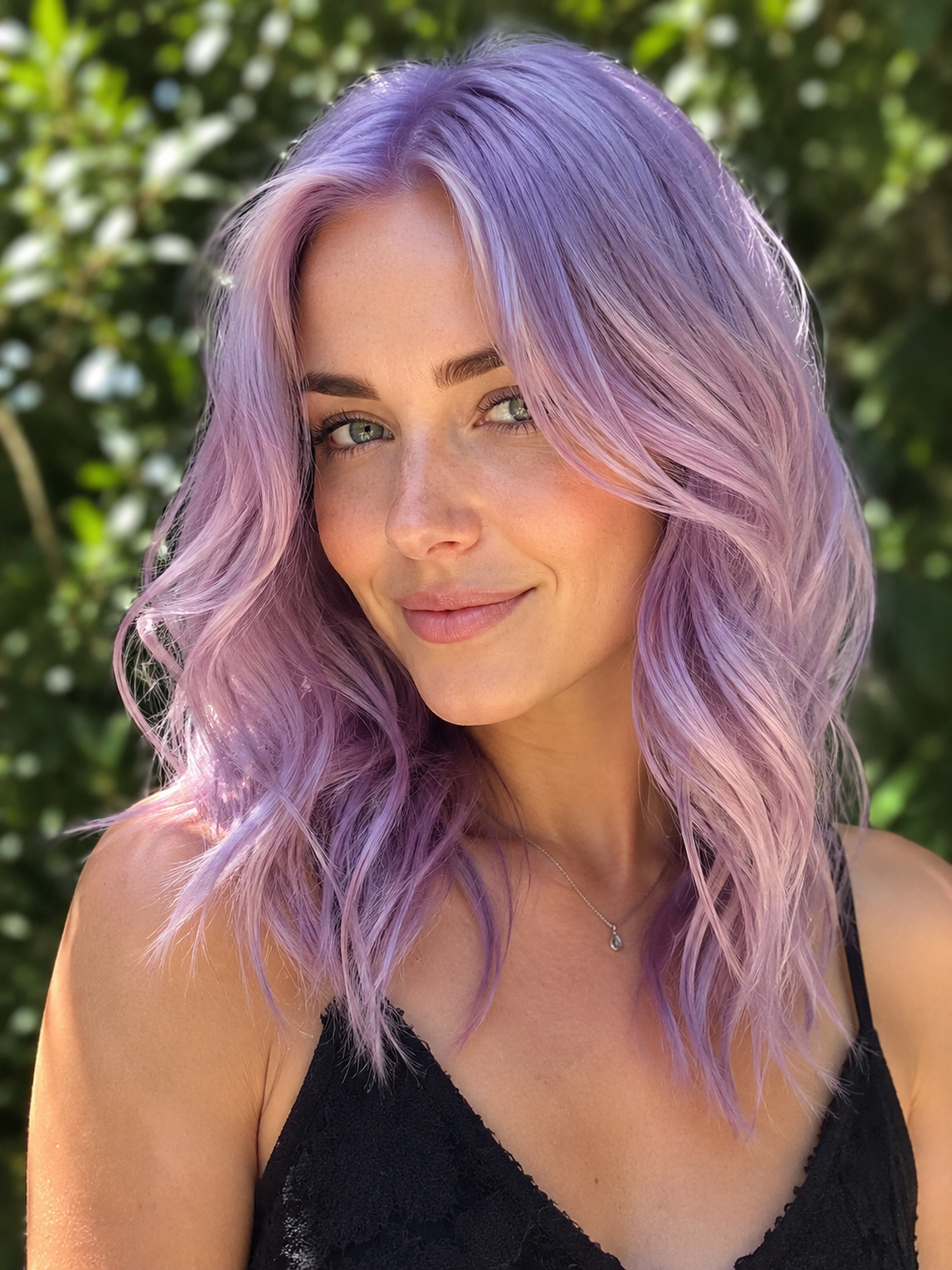
Warmer pink tones mixed into the lavender base soften the overall effect and suit those who want the trend without leaning too cool or gray. This combination works particularly well on warmer skin tones that pure blue-lavender can wash out.