Thick hair has the opposite problem from thin hair, it’s not about building volume, it’s about removing enough weight that a short cut actually holds its shape instead of growing sideways into a triangle. The right technique matters more here than the right length. Here are 16 short hairstyles that work with real thickness instead of fighting it.
Textured Pixie
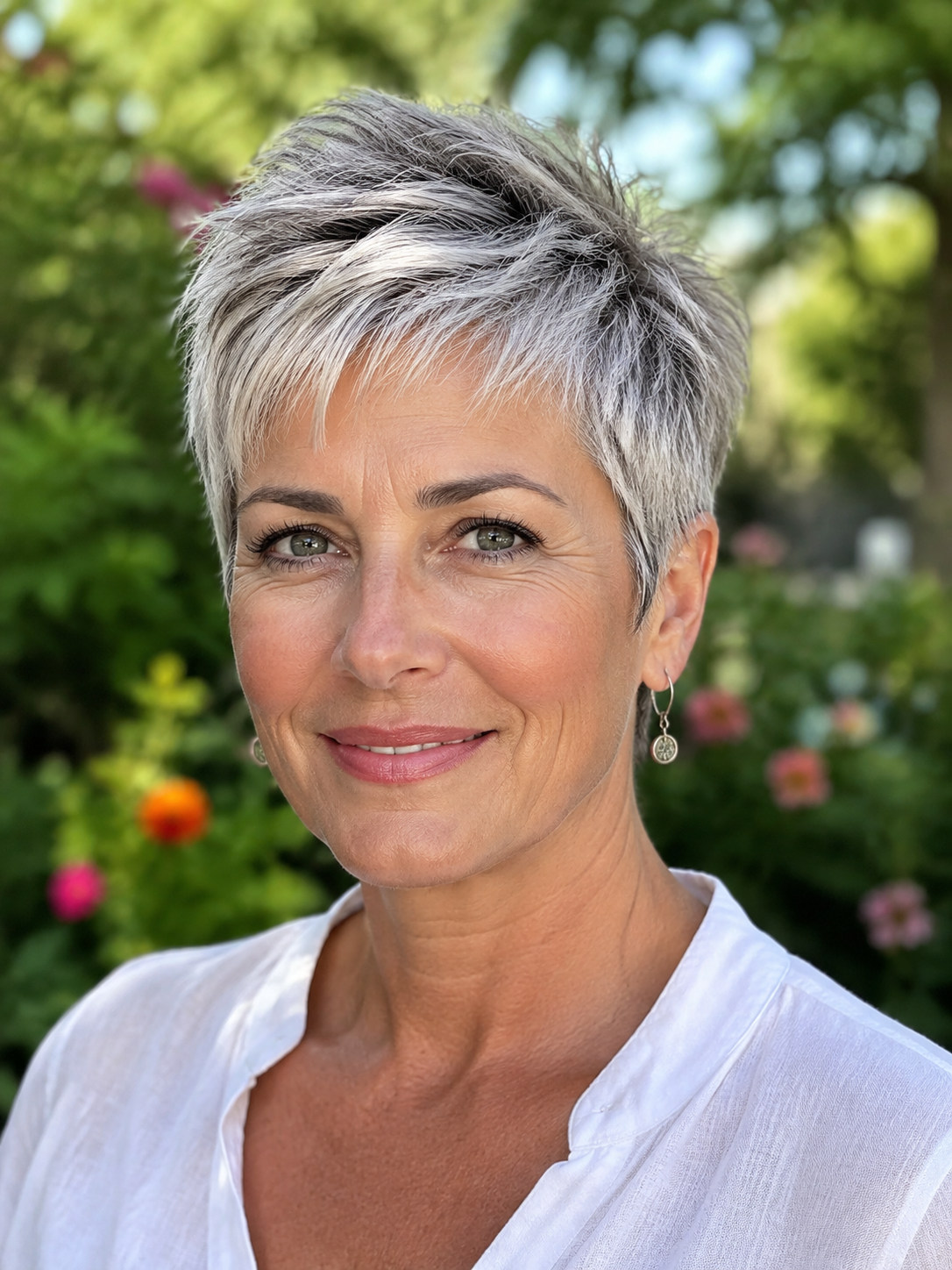
Heavy point-cutting and razor work throughout a short pixie remove bulk that would otherwise weigh the cut down into a flat, heavy shape. This technique lets thick hair sit closer to the head while still keeping enough texture to look intentional. A matte texture paste worked through with fingertips defines the piece-y ends.
Layered Crop with Undercut Nape
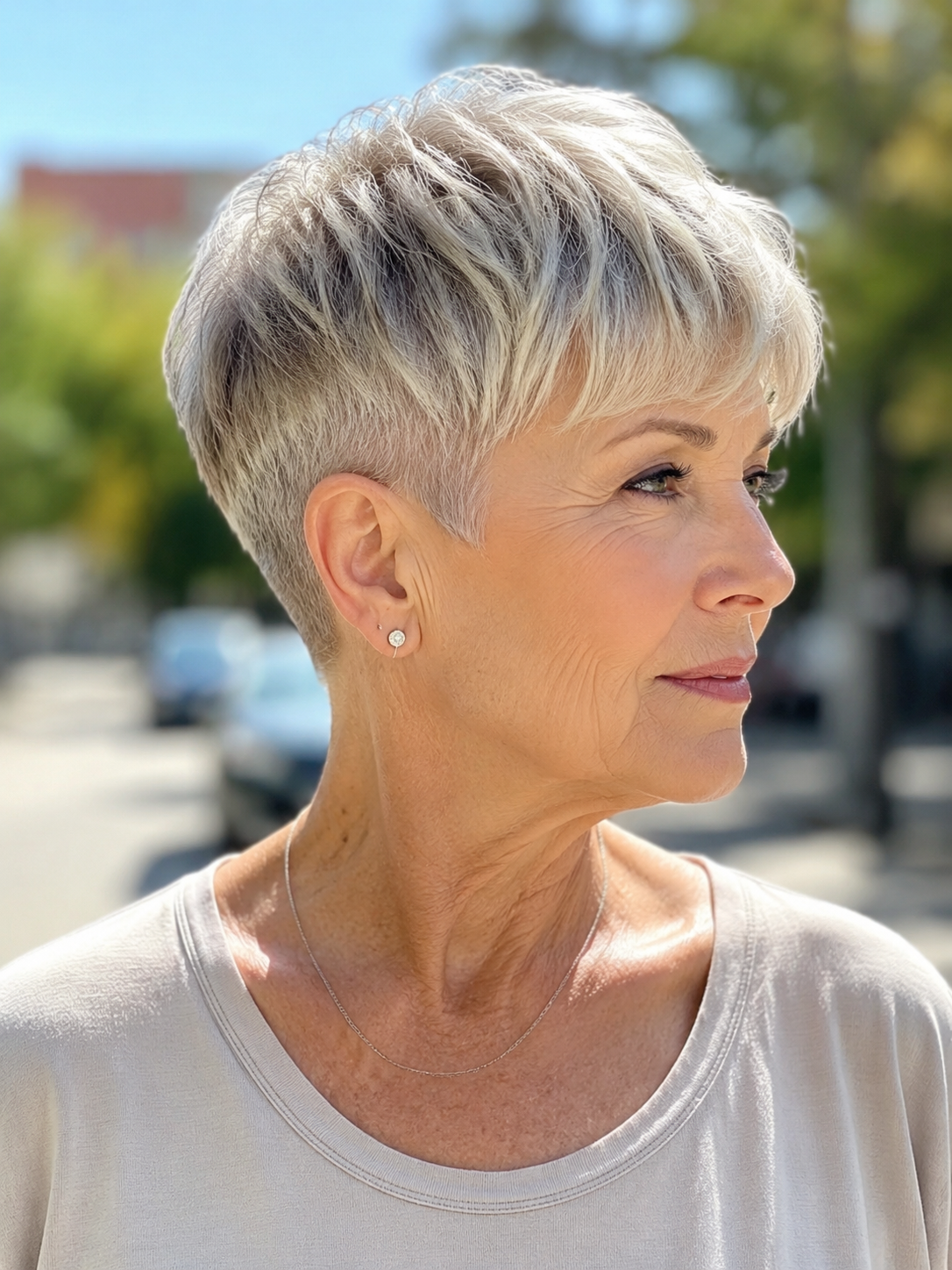
A closely cropped or shaved nape beneath a layered crop removes weight exactly where thick hair tends to pile up thickest. This combination keeps the overall shape lighter and easier to style day to day. Style the top pieces upward or forward, since the reduced weight underneath gives them room to move.
Choppy Pixie
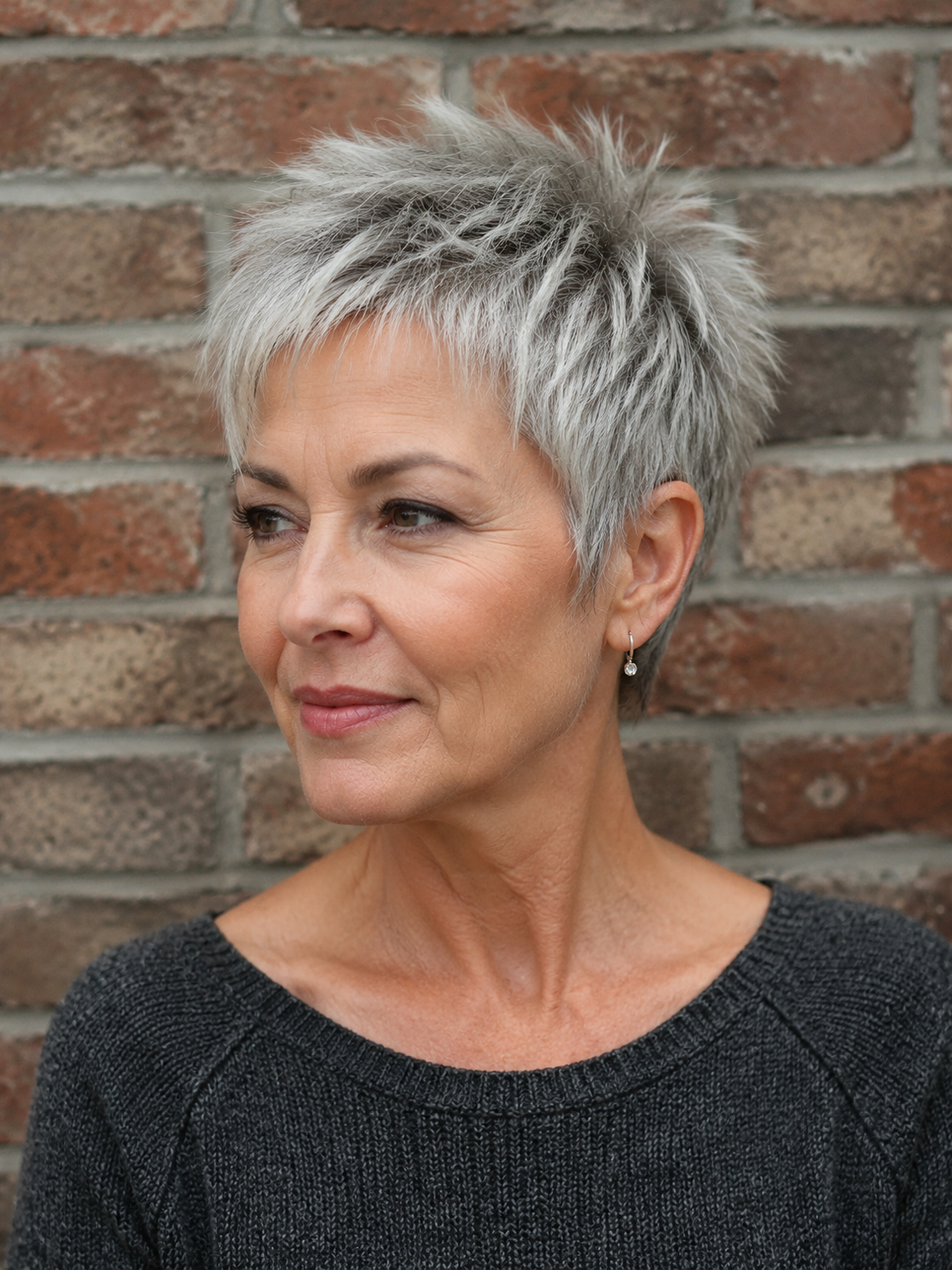
Choppy, disconnected layers cut throughout a pixie break up thick hair’s natural density, creating movement instead of one solid mass. This works especially well on hair that tends to hold its shape stubbornly, since the choppy cutting interrupts that solidity. Air dry with a texturizing cream rather than smoothing with a round brush.
Short Bob with Heavy Layering
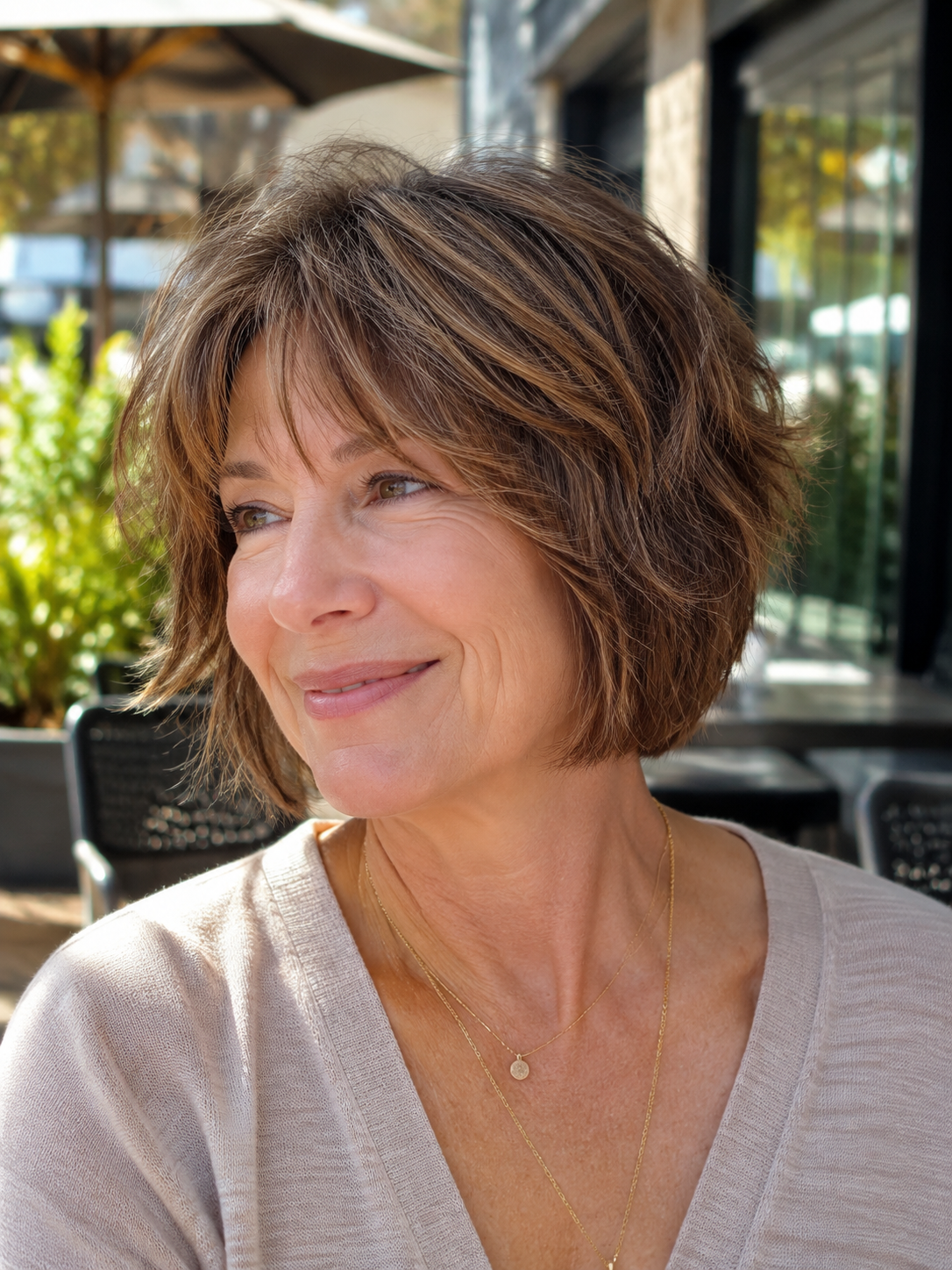
A short bob layered aggressively throughout, rather than just at the ends, removes enough bulk to keep the shape from ballooning outward. This technique works especially well on hair that tends to grow wider rather than longer. Ask your stylist to concentrate the heaviest layering through the mid-lengths where thickness typically peaks.
Textured Crop with Side Fringe

A cropped cut with a side-swept fringe adds softness around the face while the texturizing throughout keeps the rest of the thick hair manageable. The angled fringe draws the eye diagonally, which works especially well against the density of thick hair framing the face. Style with a small round brush for shape at the front.
Stacked Bob
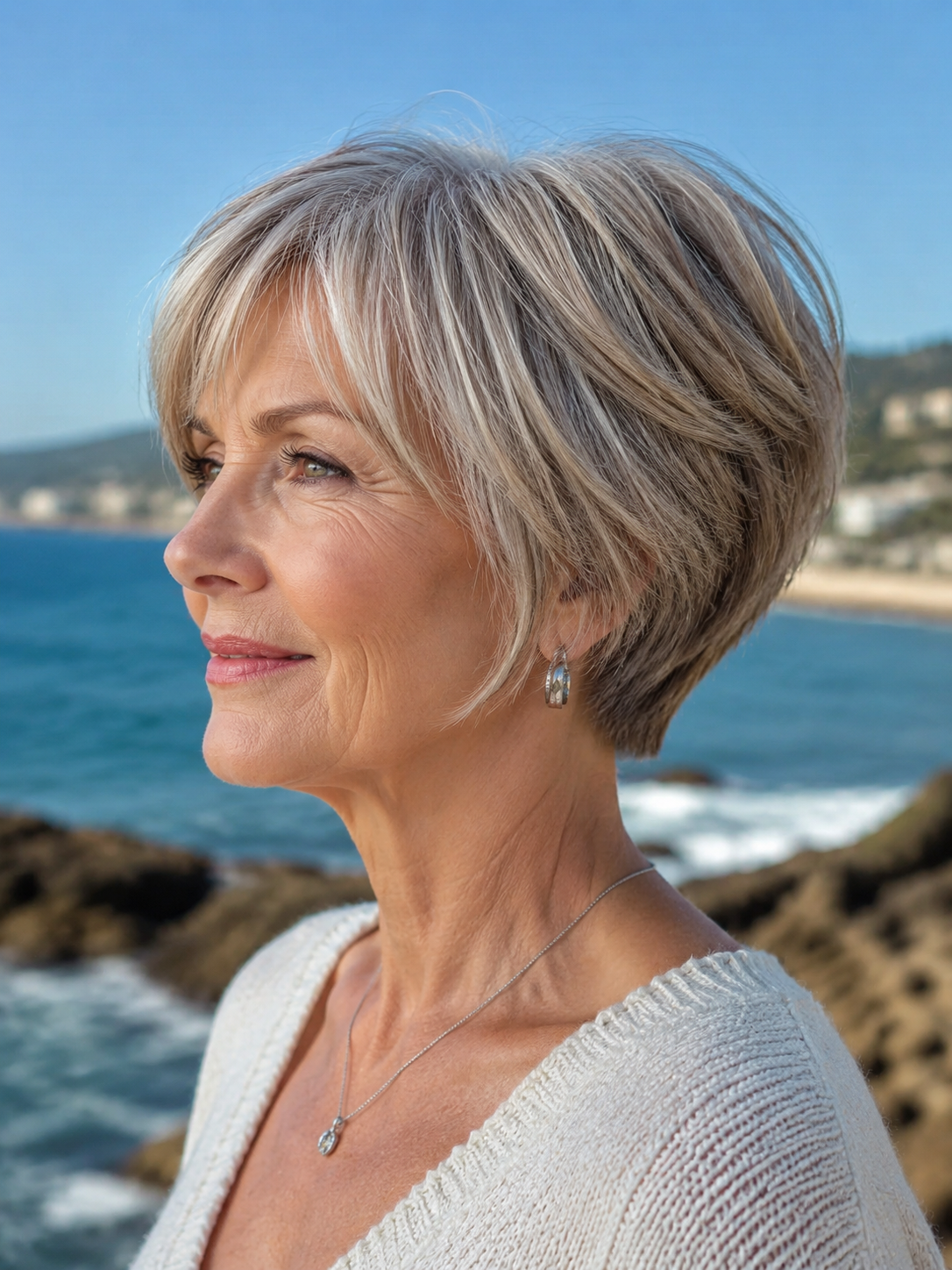
Stacking removes weight at the back of a bob through shorter internal layers, which helps thick hair sit closer to the head instead of pushing outward. This technique works best when concentrated above the nape, leaving the front sections slightly longer for balance. Ask your stylist to thin out the internal layers generously on thick hair specifically.
Curly Pixie
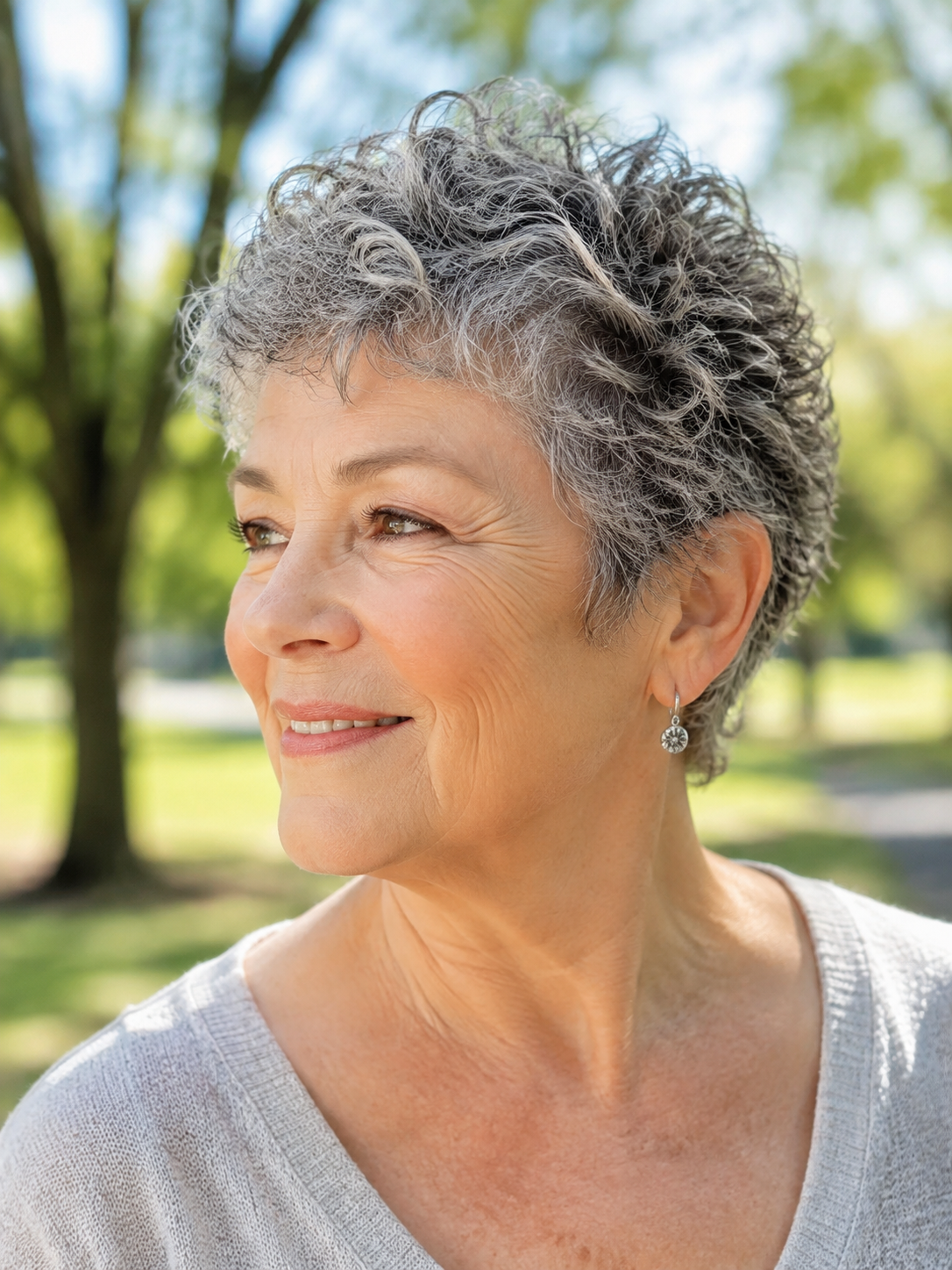
A short curly pixie needs a dry cut, since curls sit shorter once they spring up, and thick curly hair especially needs the extra weight removal that a dry cut allows a stylist to judge accurately. This cut lets curls move independently rather than clumping into one dense mass. A lightweight curl cream keeps definition without adding more weight.
Angled Bob
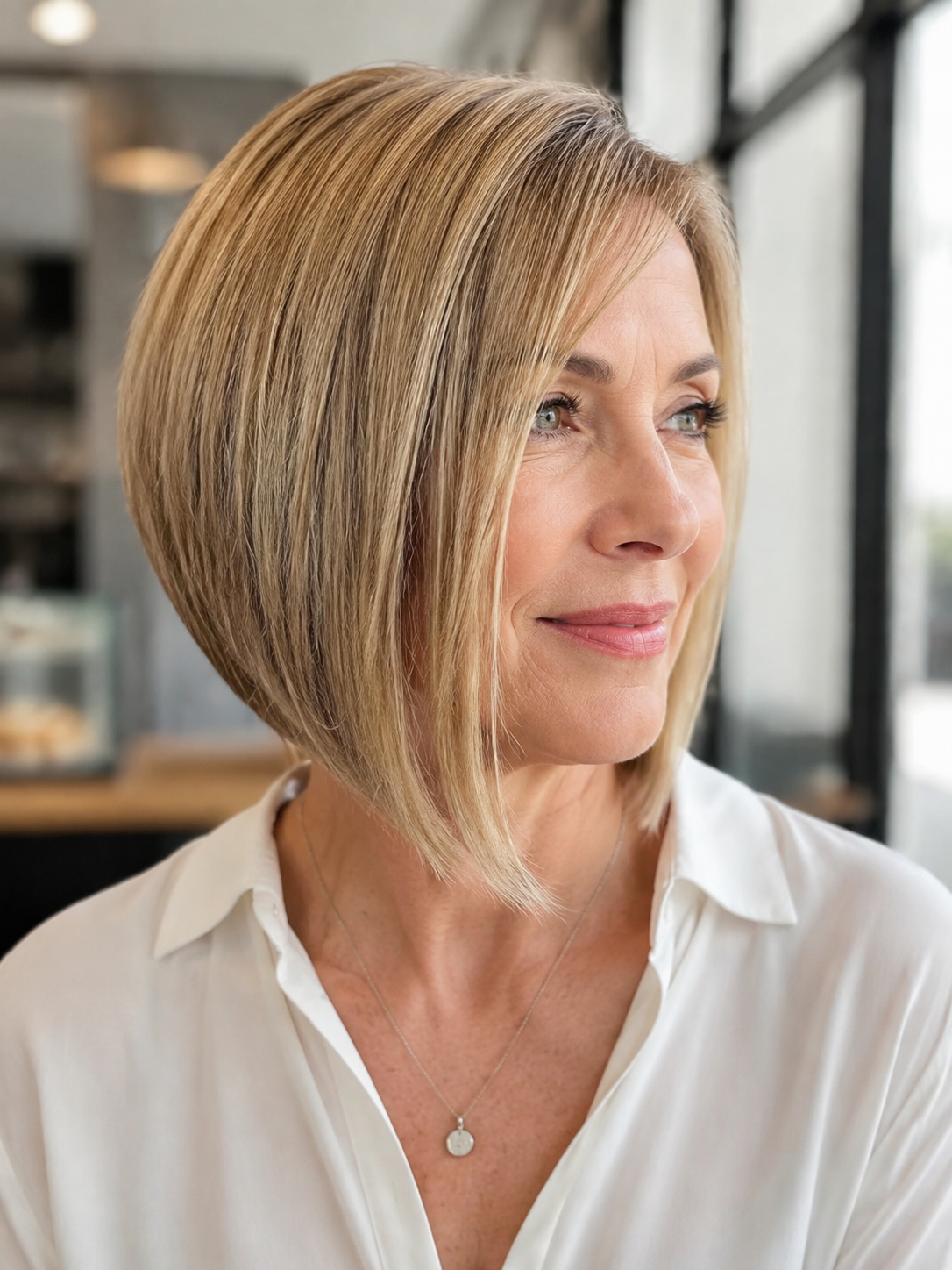
An angled bob, shorter at the back and longer toward the front, uses the diagonal line itself to disguise some of thick hair’s natural bulk. This shape works particularly well styled sleek and straight, since a flat iron pass smooths the density into one clean line. Regular trims keep the angle from growing out heavy again.
Undercut Pixie
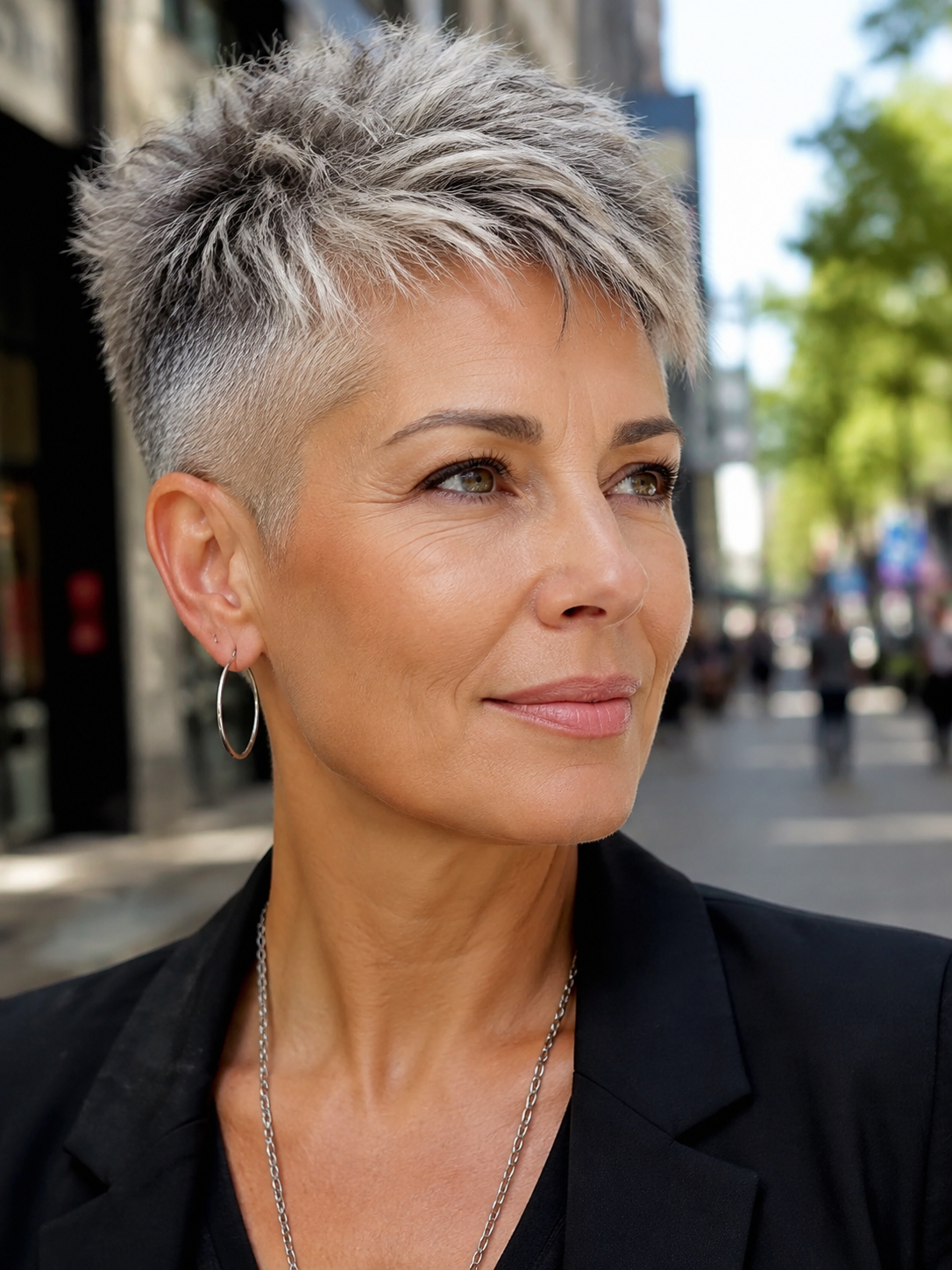
A shaved or closely cropped undercut removes significant weight from underneath thick hair while leaving the top layer to style however you like. This is one of the most effective options here for genuinely reducing bulk rather than just disguising it. Style the top pieces upward and outward to show off the contrast.
Wavy Textured Bob
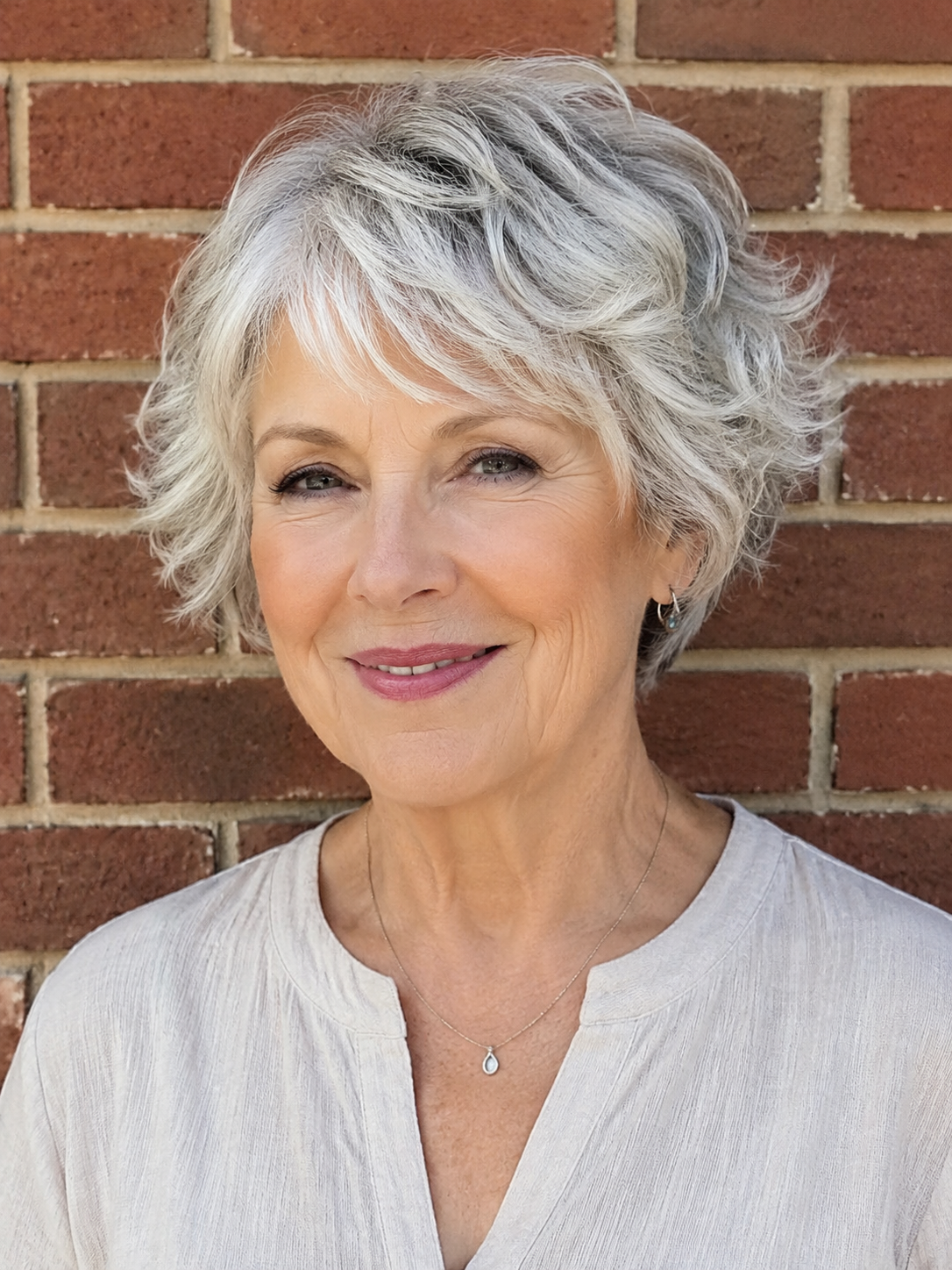
Loose waves through a heavily textured short bob work with thick hair’s natural tendency to hold shape rather than fighting it. Use a curling wand on alternating sections, then rake fingers through rather than brushing the wave out smooth. A lightweight texturizing spray keeps the wave from adding even more visual bulk.
Pixie Bob with Face-Framing Layers
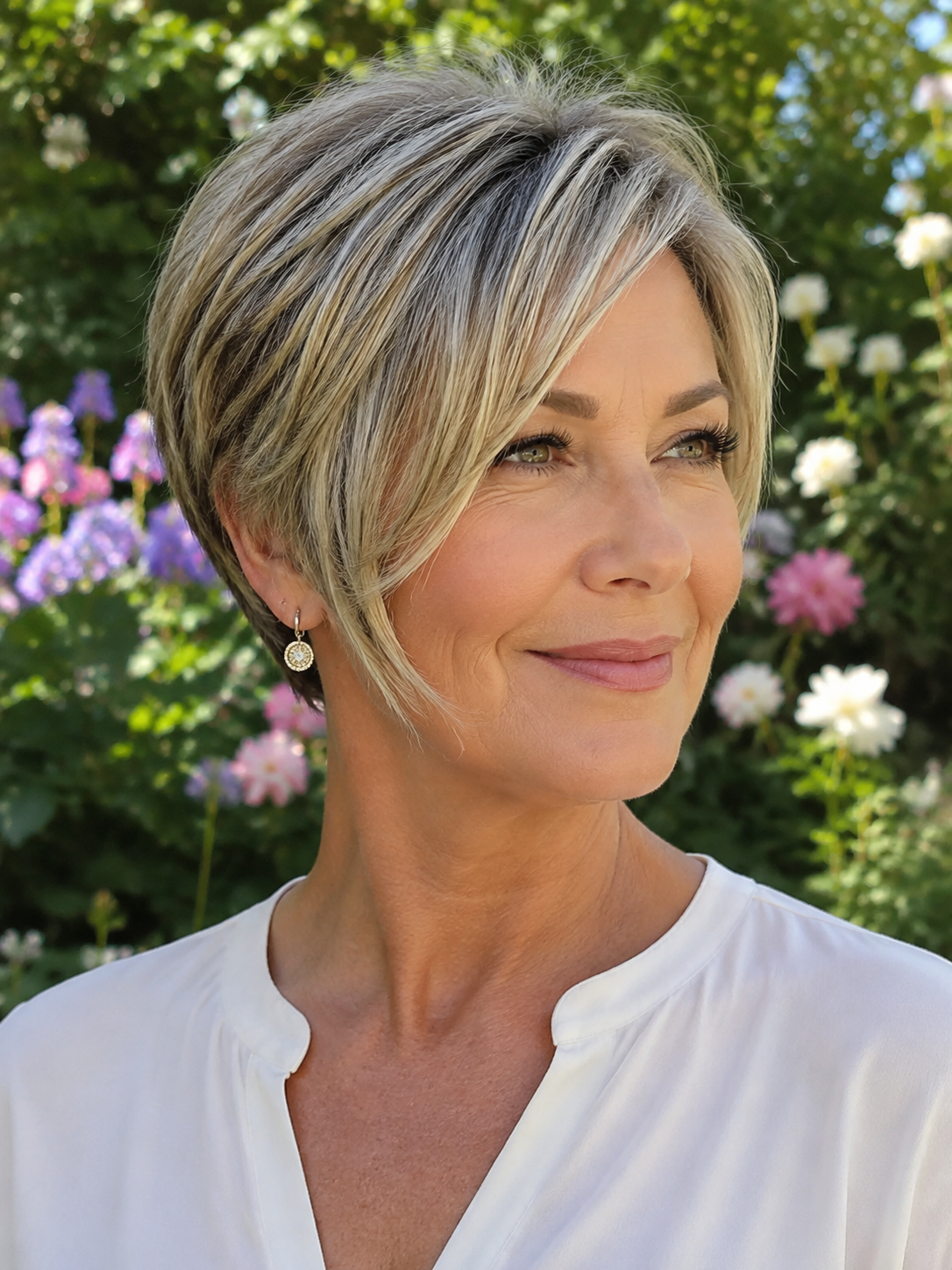
Layers concentrated specifically around the face remove some of thick hair’s density right where it tends to overwhelm the features most. This is a good option if you want the benefits of layering without losing the overall shape everywhere else. Ask your stylist to start the face-framing layers at cheekbone level.
Short Shag
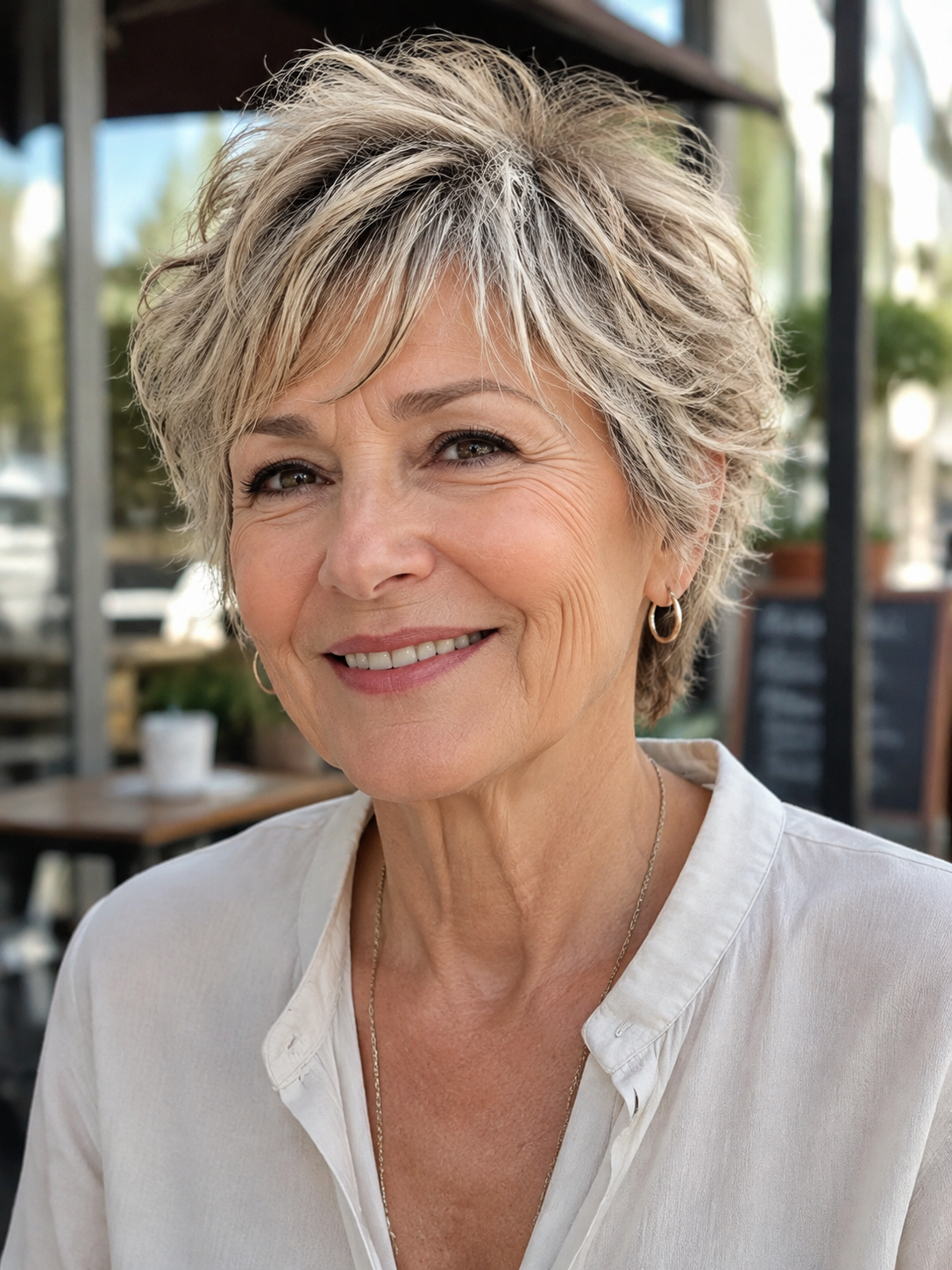
Feathered, choppy layers throughout a short shag give thick hair somewhere to put its natural volume instead of pushing outward into a solid mass. This cut actually benefits from thickness, since the layers have more material to work with for texture. A texturizing spray at the roots enhances the shag’s natural lived-in finish.
Blunt Bob with Heavy Point-Cutting
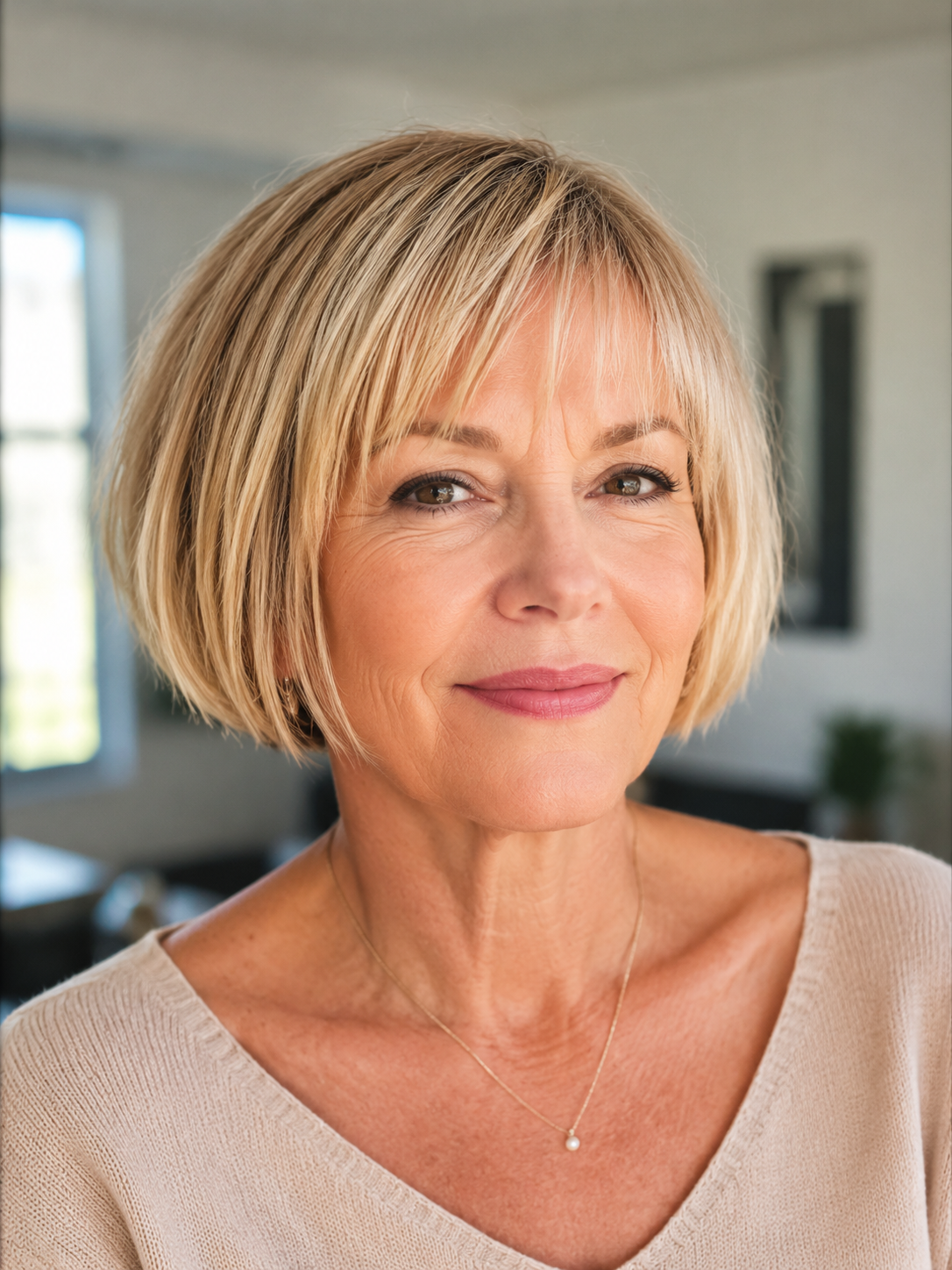
A blunt bob softened with heavy point-cutting right at the ends keeps the graphic line while removing enough weight to prevent the ends from looking like one thick block. This combination works especially well on hair that’s both thick and slightly coarse in texture. Finish with a lightweight serum rather than anything heavy or waxy.
Side-Parted Pixie
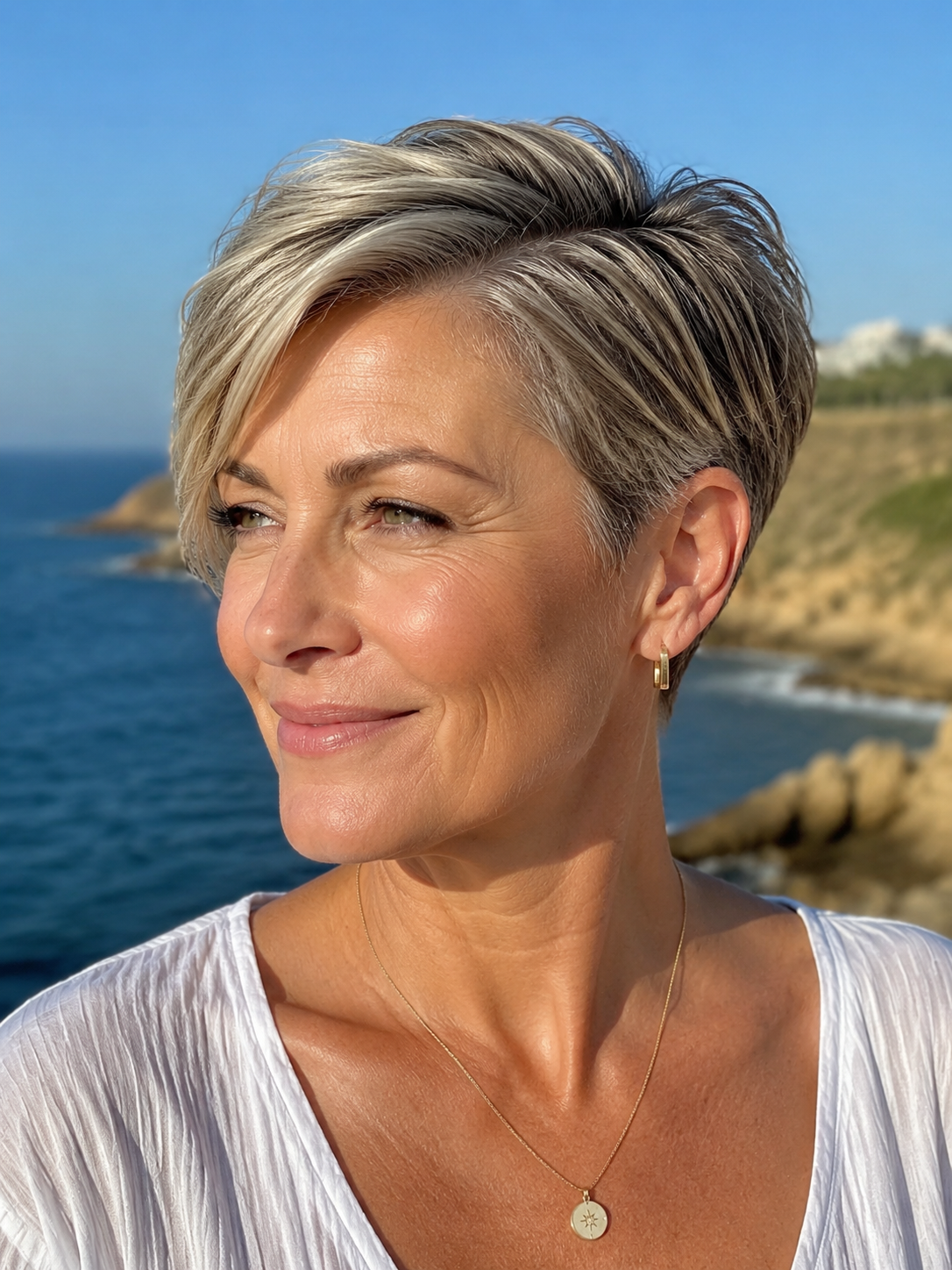
A deep side part on a pixie shifts thick hair’s natural weight toward one side rather than letting it sit evenly and heavily across the whole head. This part placement flatters rounder face shapes especially well, since it breaks up horizontal density. A small amount of pomade at the root keeps the part from sliding back to center.
Gray Pixie with Texturizing
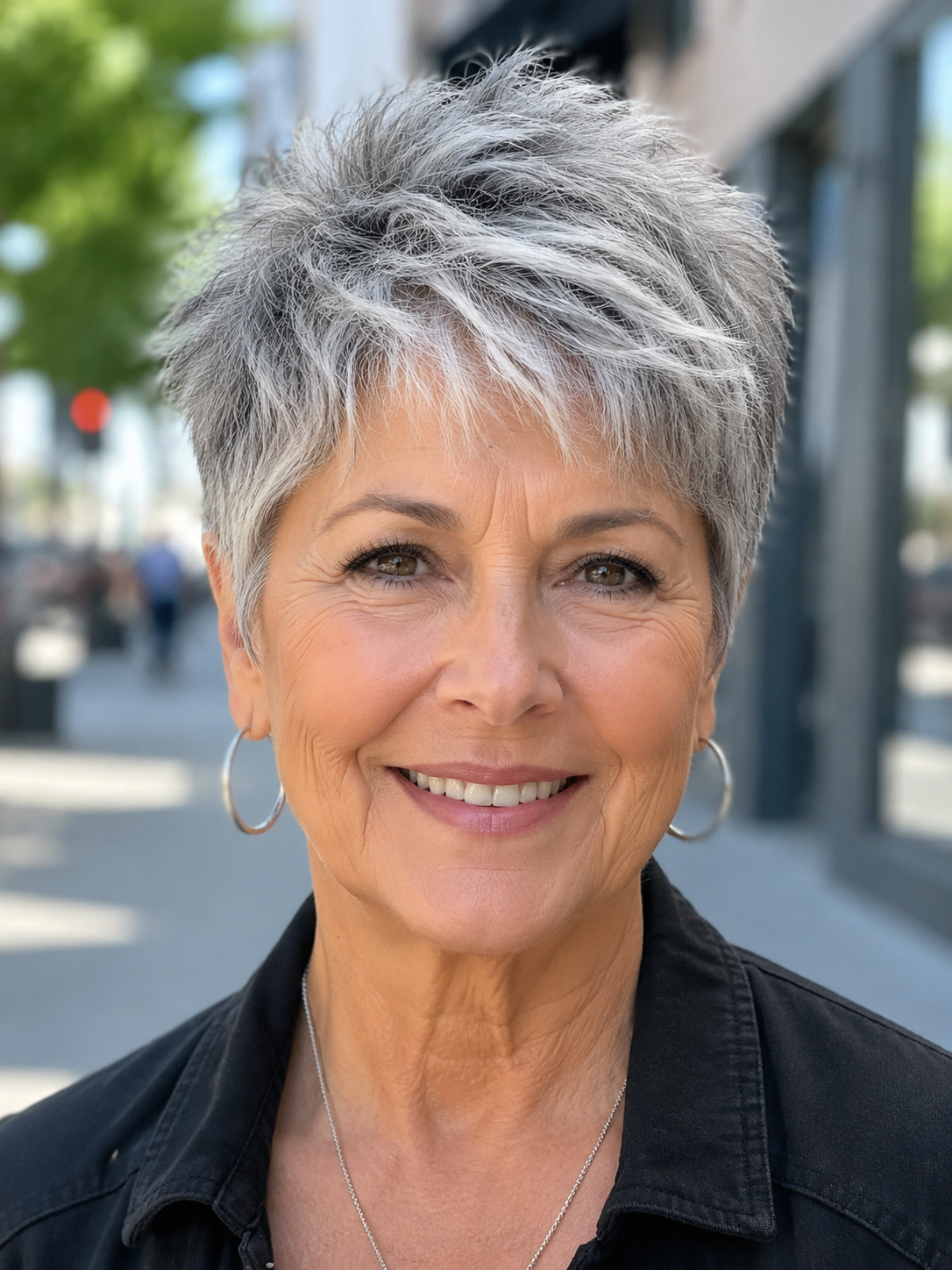
Letting natural gray show through a heavily texturized pixie works especially well on thick hair, since gray strands tend to be coarser and hold a textured shape without extra product. A purple or blue-toned shampoo keeps brassiness from creeping into the gray tone between washes. This combination photographs especially well in bright, clear light.
Piece-y Crop
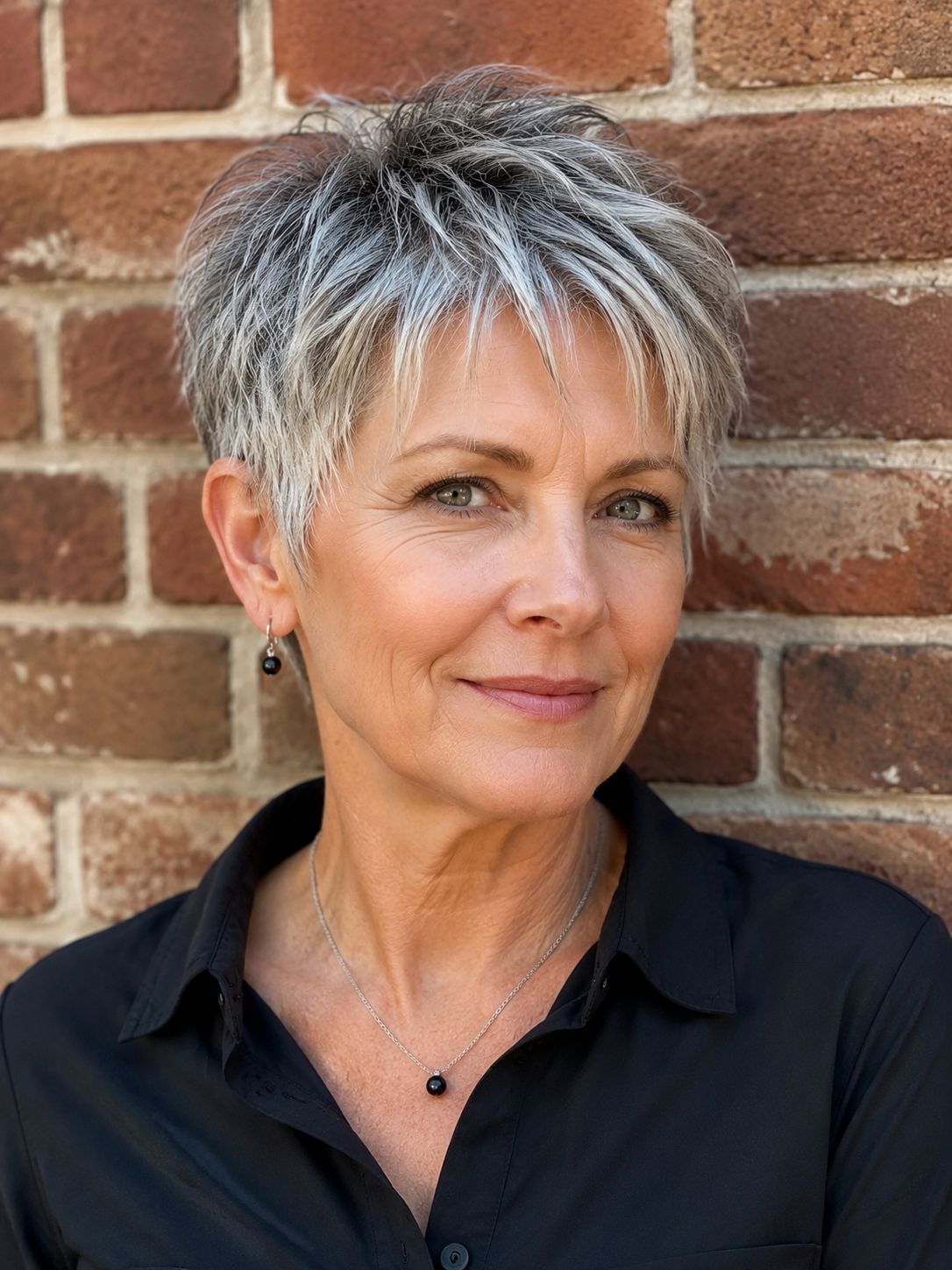
Heavily separated, piece-y sections throughout a short crop break thick hair into distinct, deliberate pieces rather than one dense mass. A pomade or wax worked through dry hair with fingertips, not a comb, keeps the pieces defined without adding more weight. This style pairs especially well with natural air-dried texture.