Natural wave is one of the most versatile textures in men’s hair, and most men with it are underusing it. The biggest mistake is fighting the wave with too much product or the wrong cut. A stylist who understands wave pattern will work with the natural movement rather than trying to flatten or force it. These eighteen styles cover the full range from close-cropped and textured to long and flowing, each chosen because the wave itself does most of the heavy lifting.
Medium-Length Wavy Shag
Layers cut throughout the mid-lengths and ends give wavy hair the freedom to move in multiple directions at once. The shag suits men who want a relaxed, slightly undone look without much daily effort.
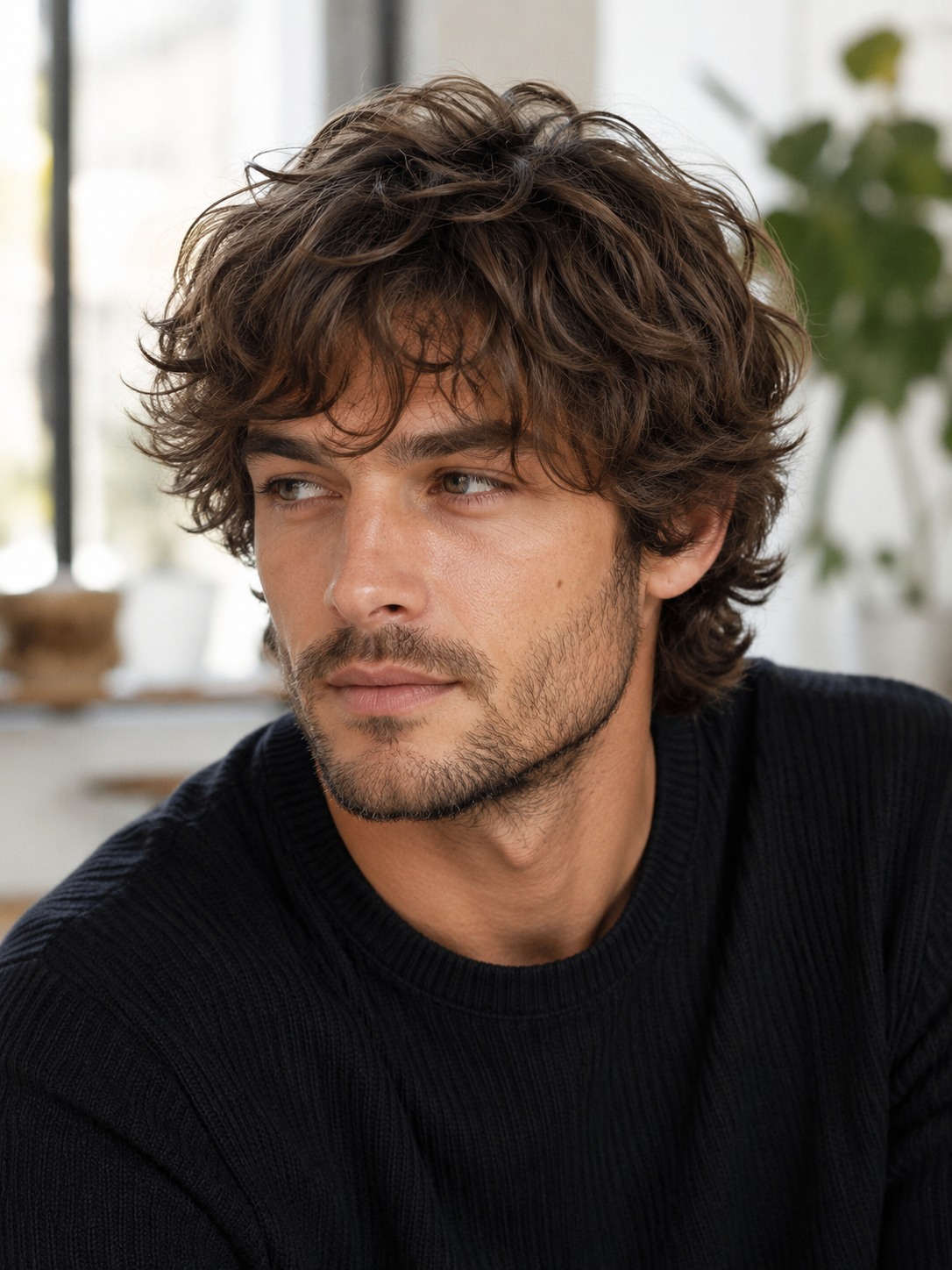
Let it air dry after applying a light curl cream, and the layers separate into a natural, full shape. The fringe, worn slightly wavy across the forehead, is part of what makes this cut feel current rather than dated.
Slicked-Back Waves
Medium to longer wavy hair, pulled back and smoothed into a controlled shape with a medium-hold pomade. The wave pattern shows through the slick rather than disappearing under it, giving the style texture and structure at the same time.
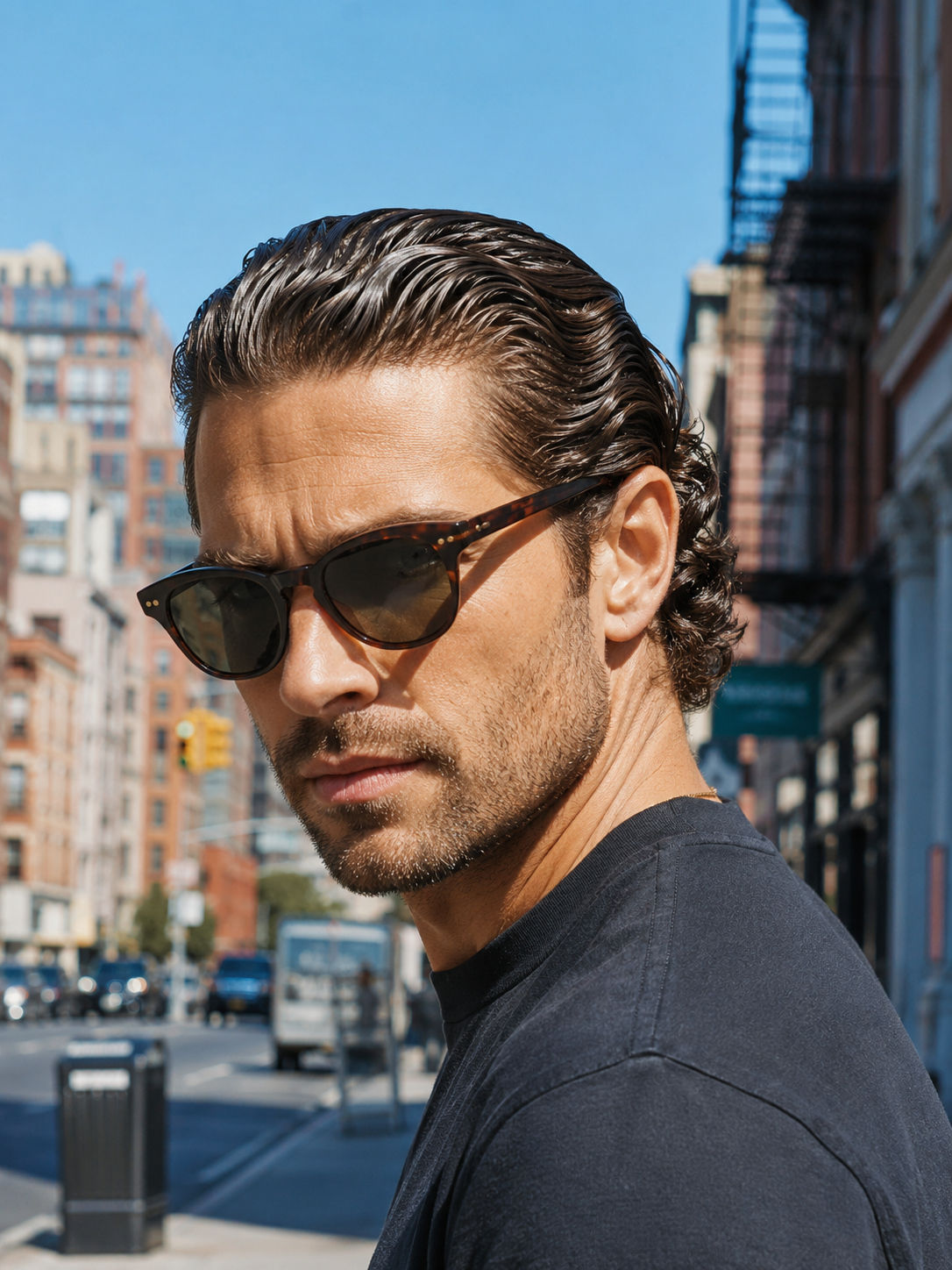
Best on men with consistent wave patterns from root to ends. Apply pomade to damp hair, comb straight back, and let it set. Works well for professional settings where a more polished finish is expected.
Wavy Undercut
Close-cropped or shaved sides with a full, wavy top section create strong contrast that makes the wave pattern the focal point. The undercut removes side bulk that would otherwise compete with the top, so the waves on the crown look deliberate and full.
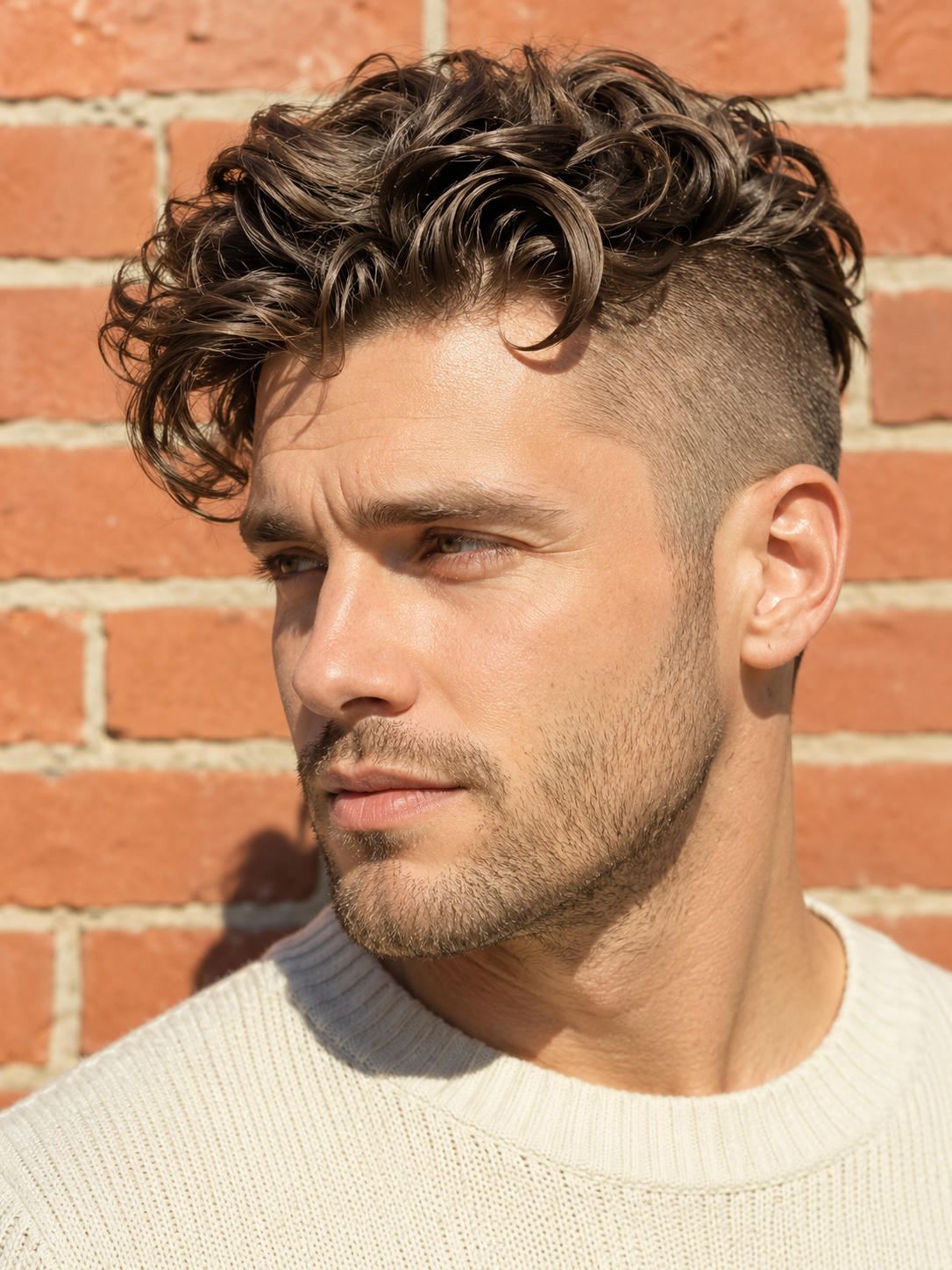
Style the top loosely with a light cream or leave-in conditioner. The contrast between the clean sides and the textured top does most of the visual work.
Surfer Waves
Longer hair, past the ears and approaching the shoulders, worn loose with natural wave movement and no structured styling. Salt spray applied to damp hair and left to air dry is the standard approach. The result is a relaxed, sun-dried texture that looks effortless because it largely is.
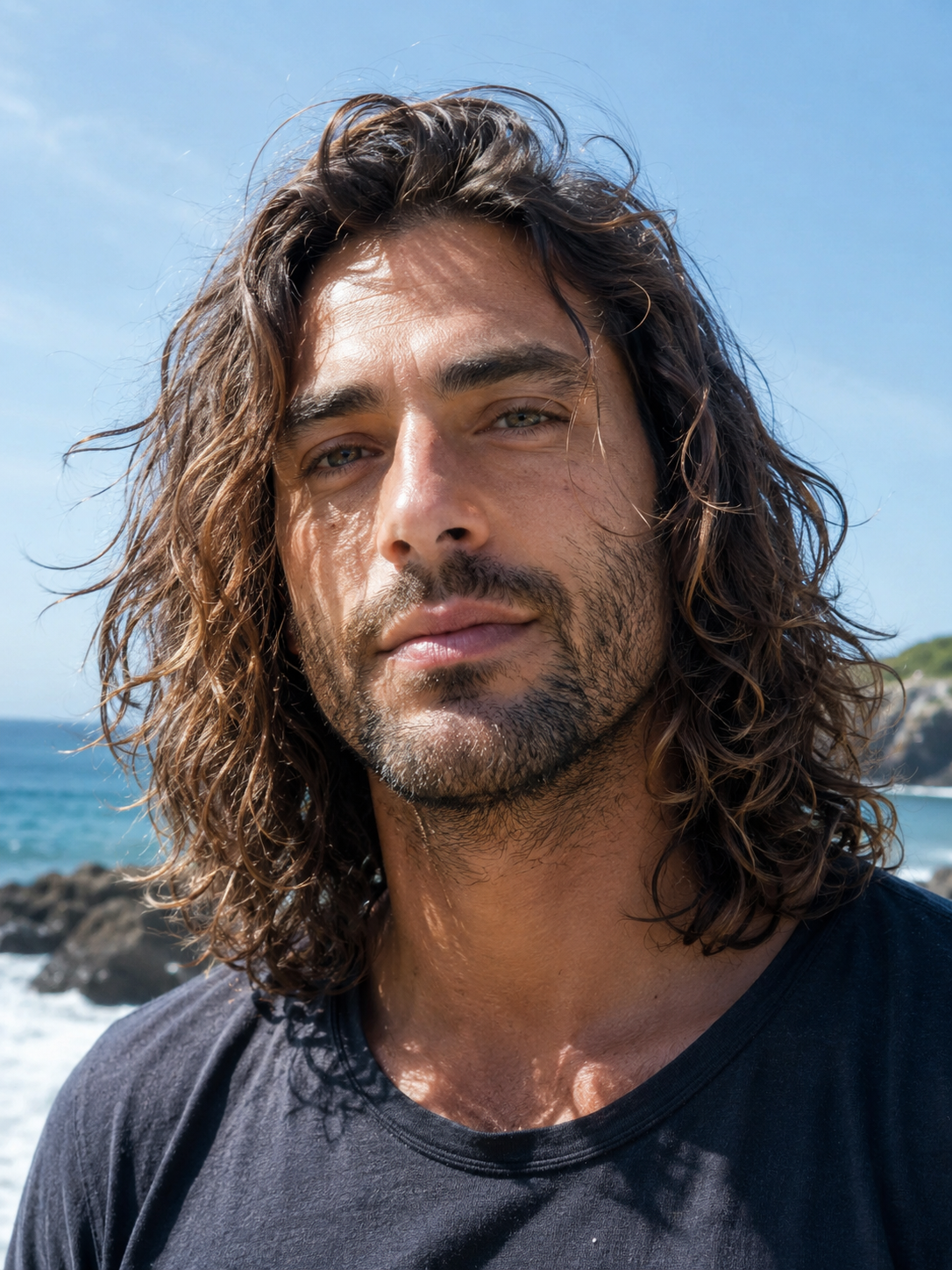
Trims every eight to ten weeks to remove split ends are enough maintenance to keep this length looking healthy rather than neglected.
Wavy Side Part
A defined side part combed into medium-length wavy hair gives a classic shape to texture that might otherwise lack direction. Use a lightweight pomade or styling cream, part the hair while damp, and direct each side accordingly.

The waves add softness to what would otherwise be a very structured look, which is exactly why this works so well. It sits comfortably between casual and formal, making it adaptable across most settings.
Tousled Wavy Fringe
Medium-length hair with a wavy fringe falling loosely across the forehead, the rest of the hair sitting with natural texture and no deliberate parting. The key is keeping the fringe long enough to wave, usually two to three inches, rather than trimming it flat.
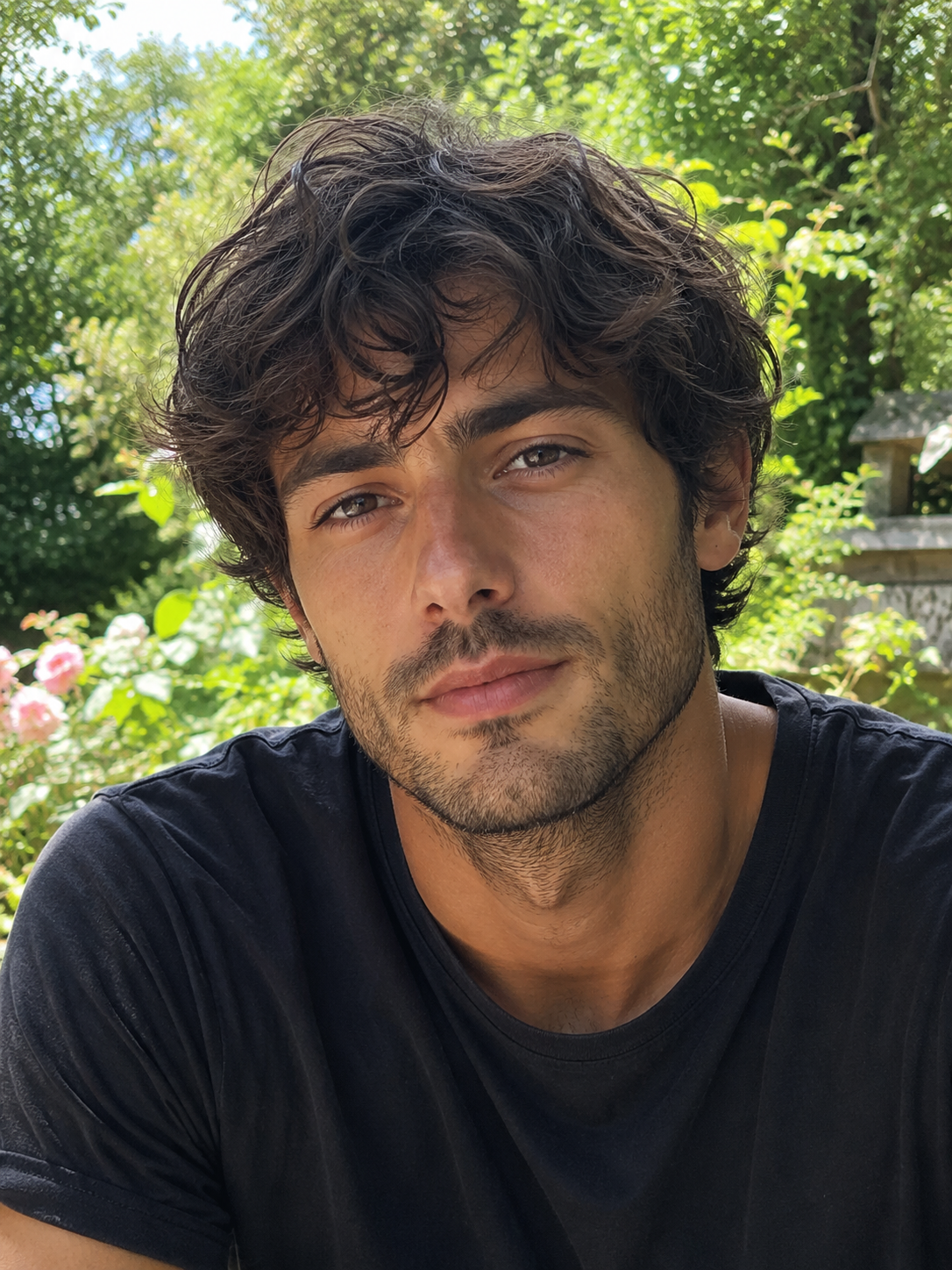
A small amount of texturizing paste through the fringe while damp, then a shake to separate as it dries, keeps it from sitting in one flat sheet across the forehead.
Wavy Quiff
Volume directed upward and slightly forward at the front, with natural wave movement throughout. The quiff on wavy hair looks softer and more relaxed than the same style on straight hair, which is an advantage.
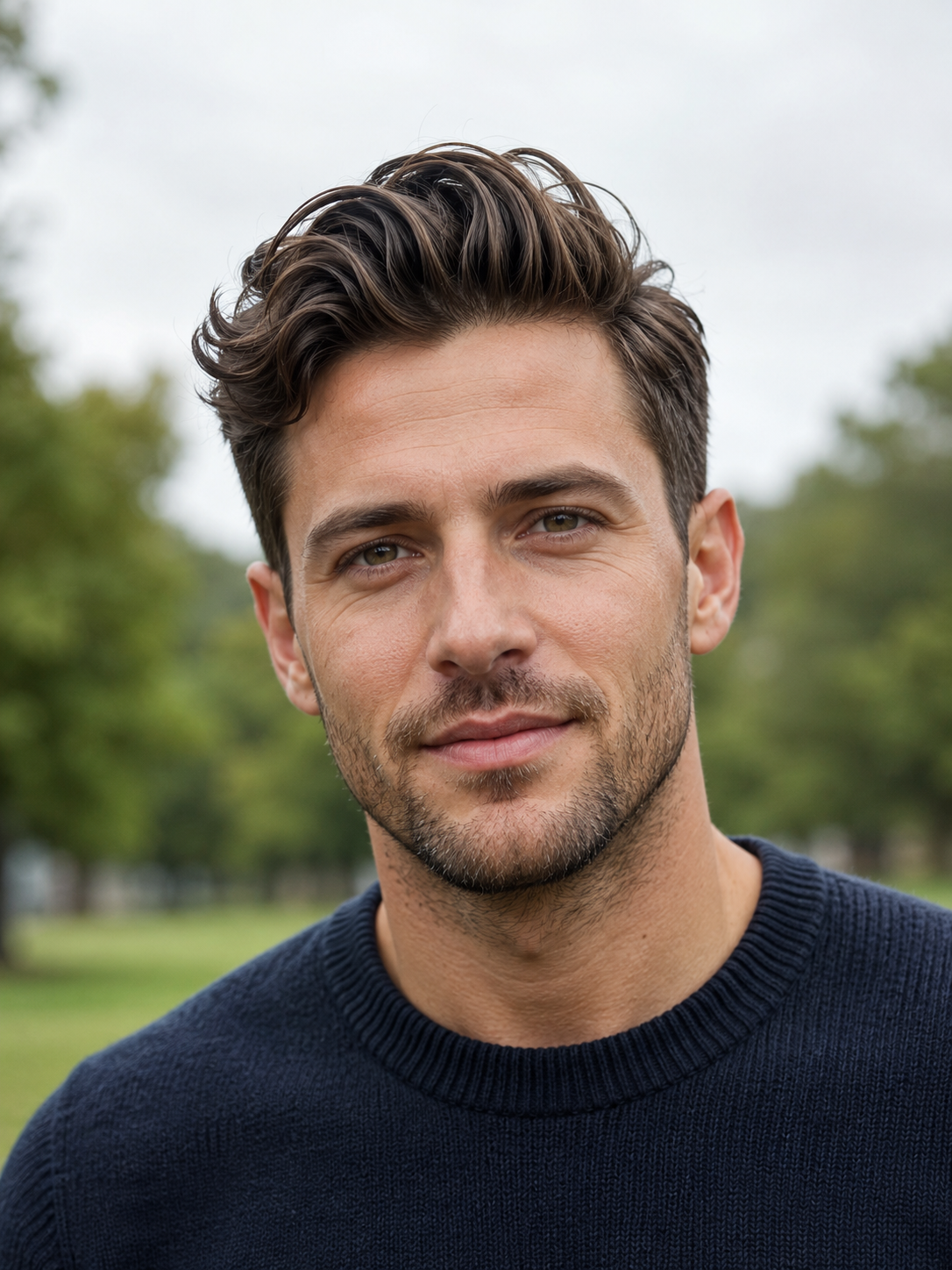
Blow-dry the front section upward with a round brush, apply a medium-hold cream, and let the wave add its own shape to the lift. Sides are typically tapered or faded to keep the top section as the visual focus.
Curly-Wavy Bun
For longer wavy hair that leans toward the curlier end of the spectrum, a loose bun pulled at the back of the head or crown is a practical and stylish option. The wave and curl texture adds visible fullness to the bun, making it look full even at medium hair lengths.
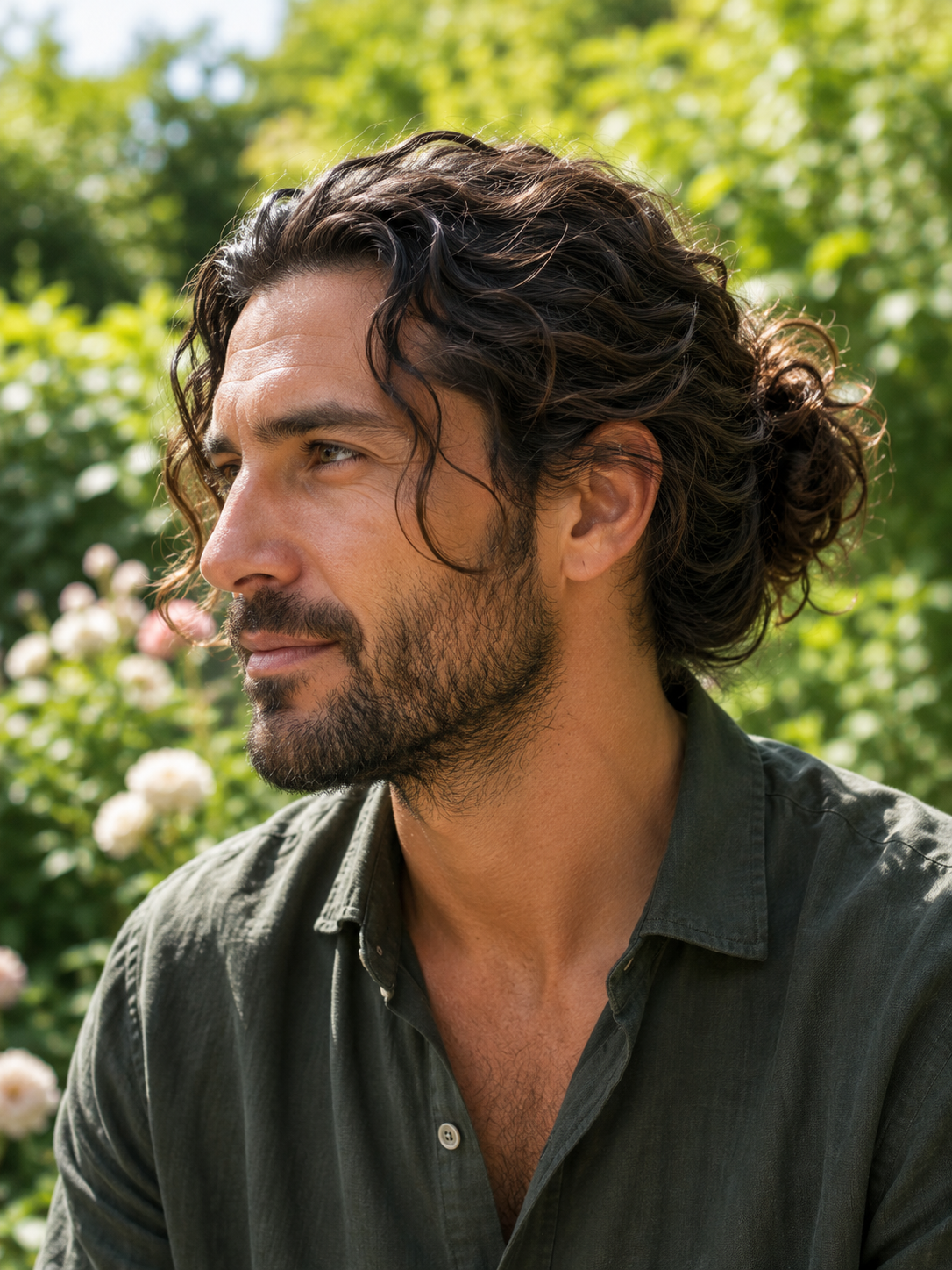
Leave a few strands loose at the temples or nape. A clean, tight bun reads too formal on wavy texture. The loose version suits the hair’s natural character much better.
Wavy Flow
Shoulder-length or just above, worn completely loose with no deliberate styling beyond a light oil or leave-in conditioner applied to damp hair. The flow suits men who have embraced their wave pattern and want the hair to express it fully.
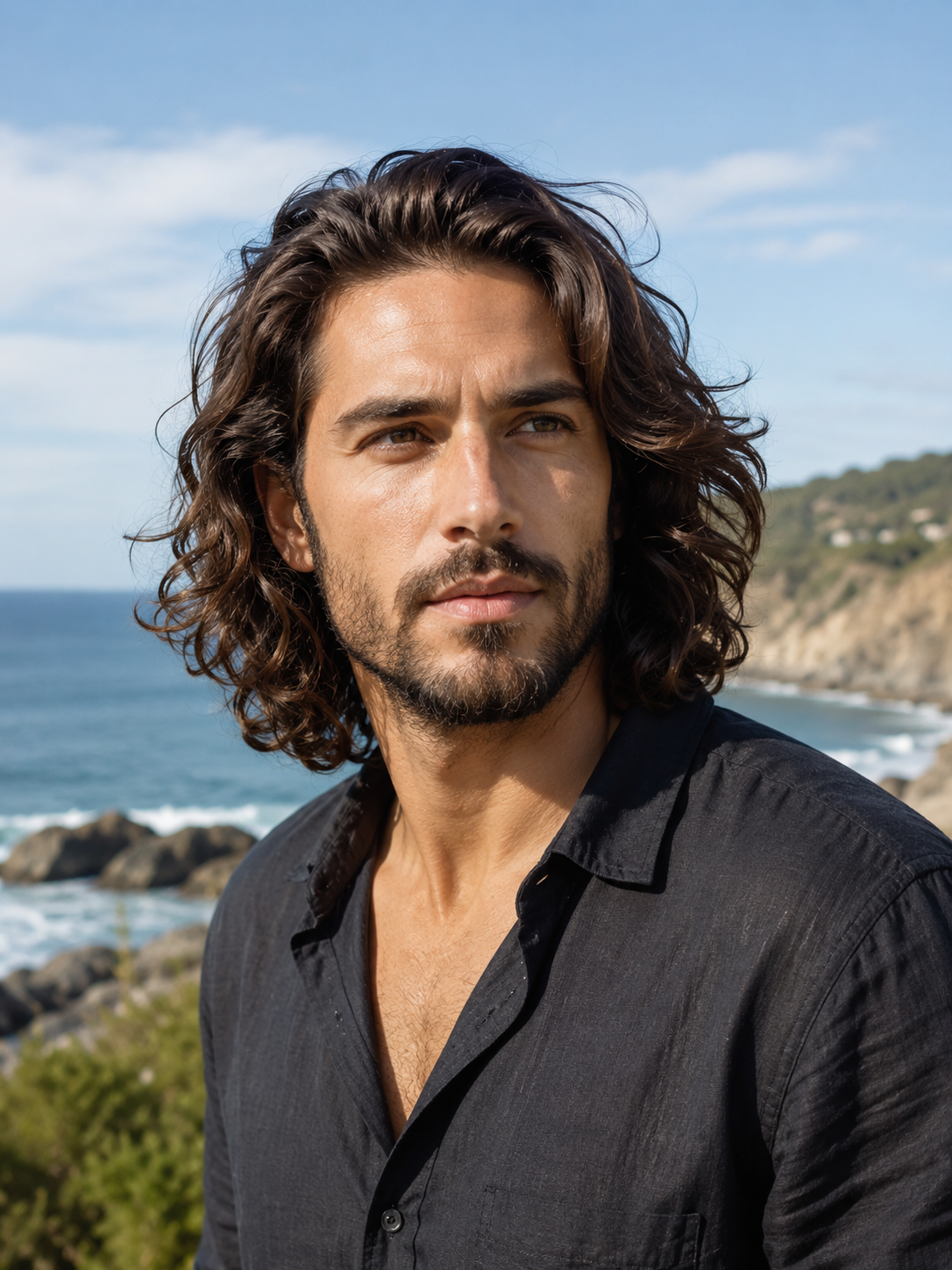
Regular trims to remove bulk and dead ends are the main maintenance requirement. Layering helps the waves fall in a more structured shape rather than sitting as one heavy curtain of hair.
French Crop With Wavy Texture
A short to medium crop with a horizontal fringe across the forehead, adapted for wavy hair by letting the fringe sit with natural wave movement rather than forcing it flat.
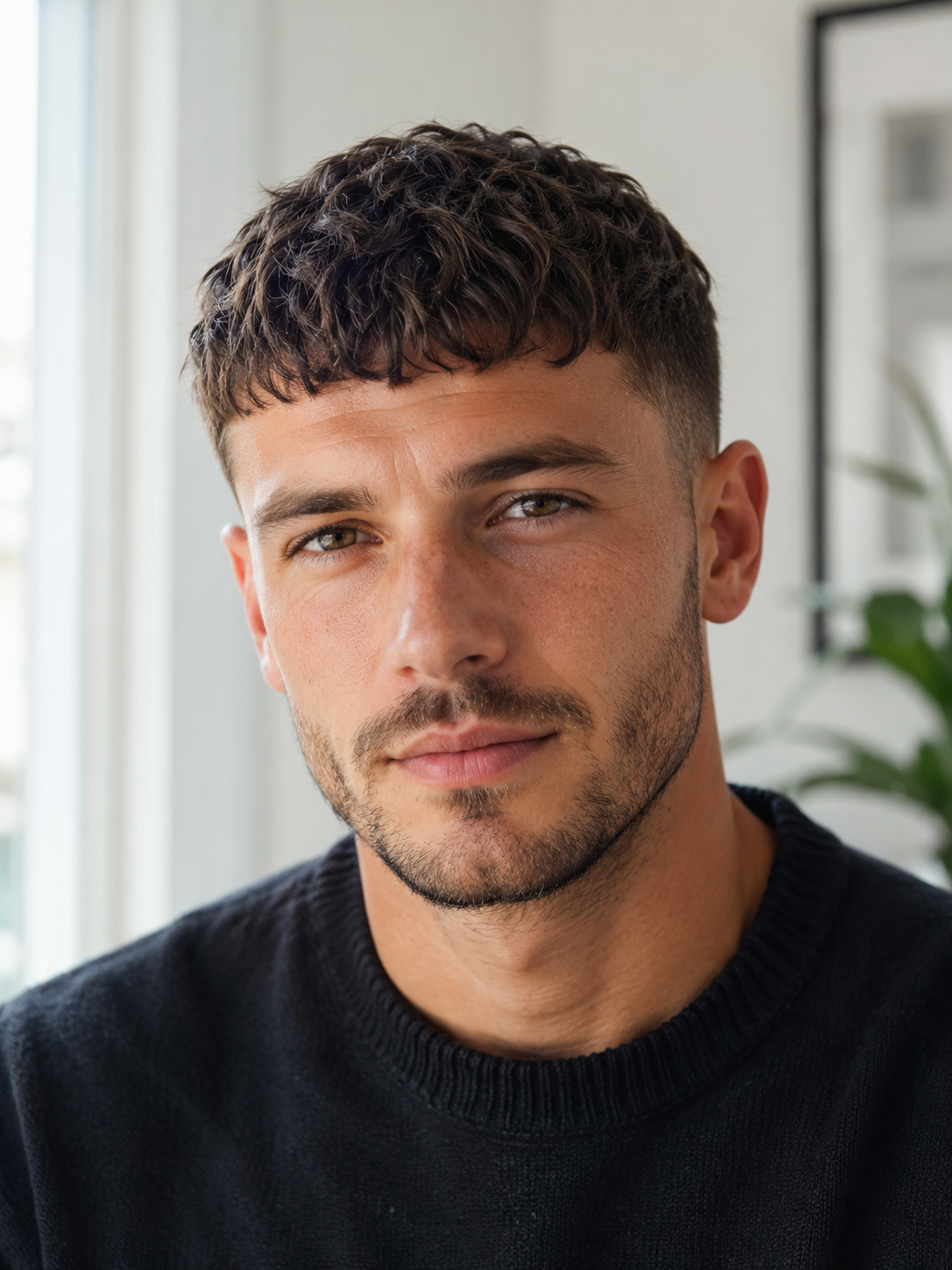
The fringe is the defining feature of this cut, and on wavy hair it has a relaxed, soft quality that the same cut on straight hair doesn’t achieve. Keep the sides tight and the top textured with a matte product for the cleanest version of this look.
Wavy Curtains
A center or near-center part with waves falling to each side, the length sitting around the jaw or just past it. Curtain hair on wavy texture is one of the most naturally flattering combinations because the wave pulls each side away from the face in a soft, outward arc.
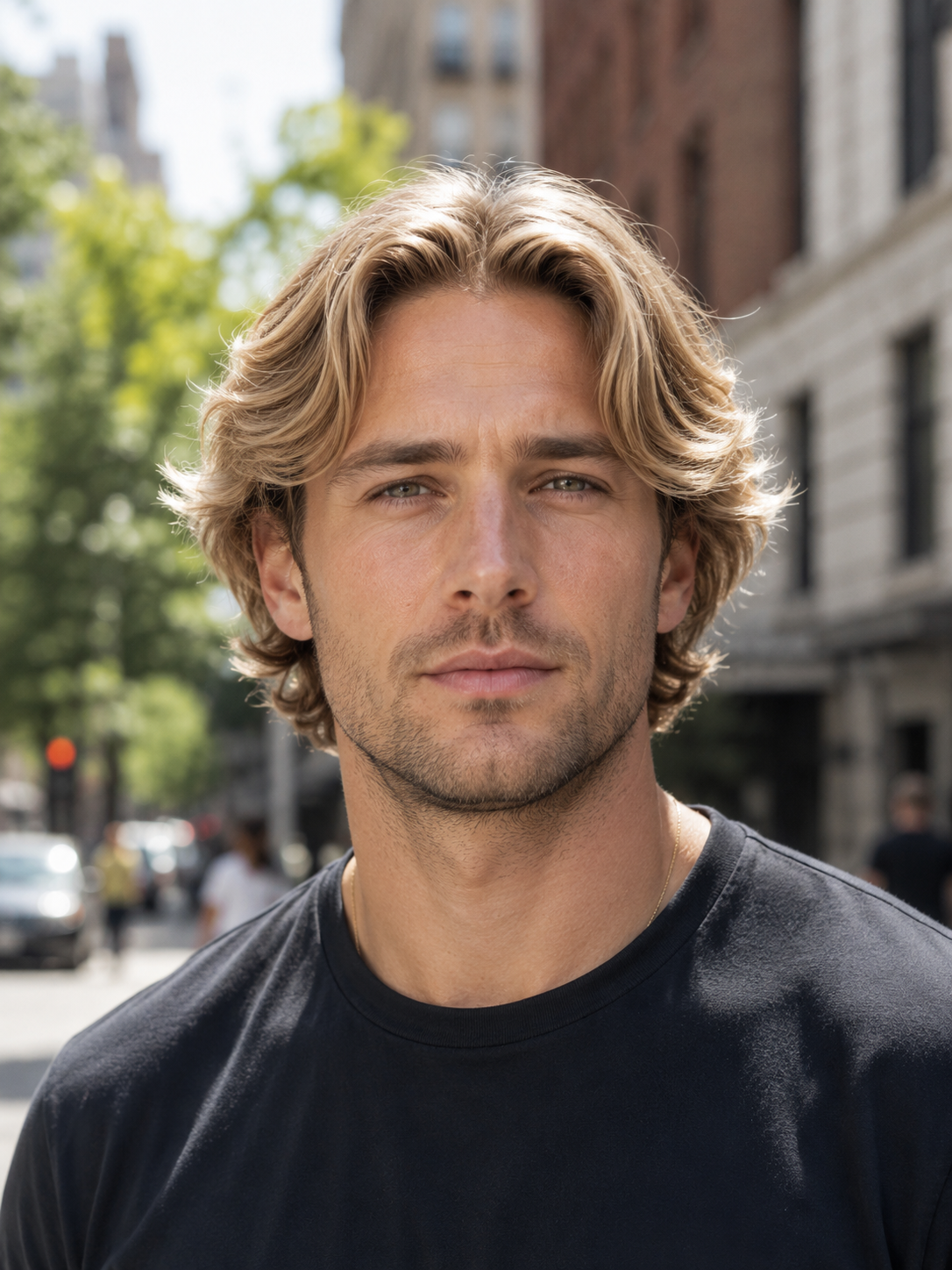
Let it air dry with a light cream for best results. The longer the hair, the more pronounced and polished the curtain shape becomes.
Wavy Pompadour
Volume built at the front and swept backward in a high, arching shape, with the natural wave adding dimension to the lift. The wavy pompadour is less rigid than its slick counterparts on straight hair, which makes it easier to achieve without professional tools.
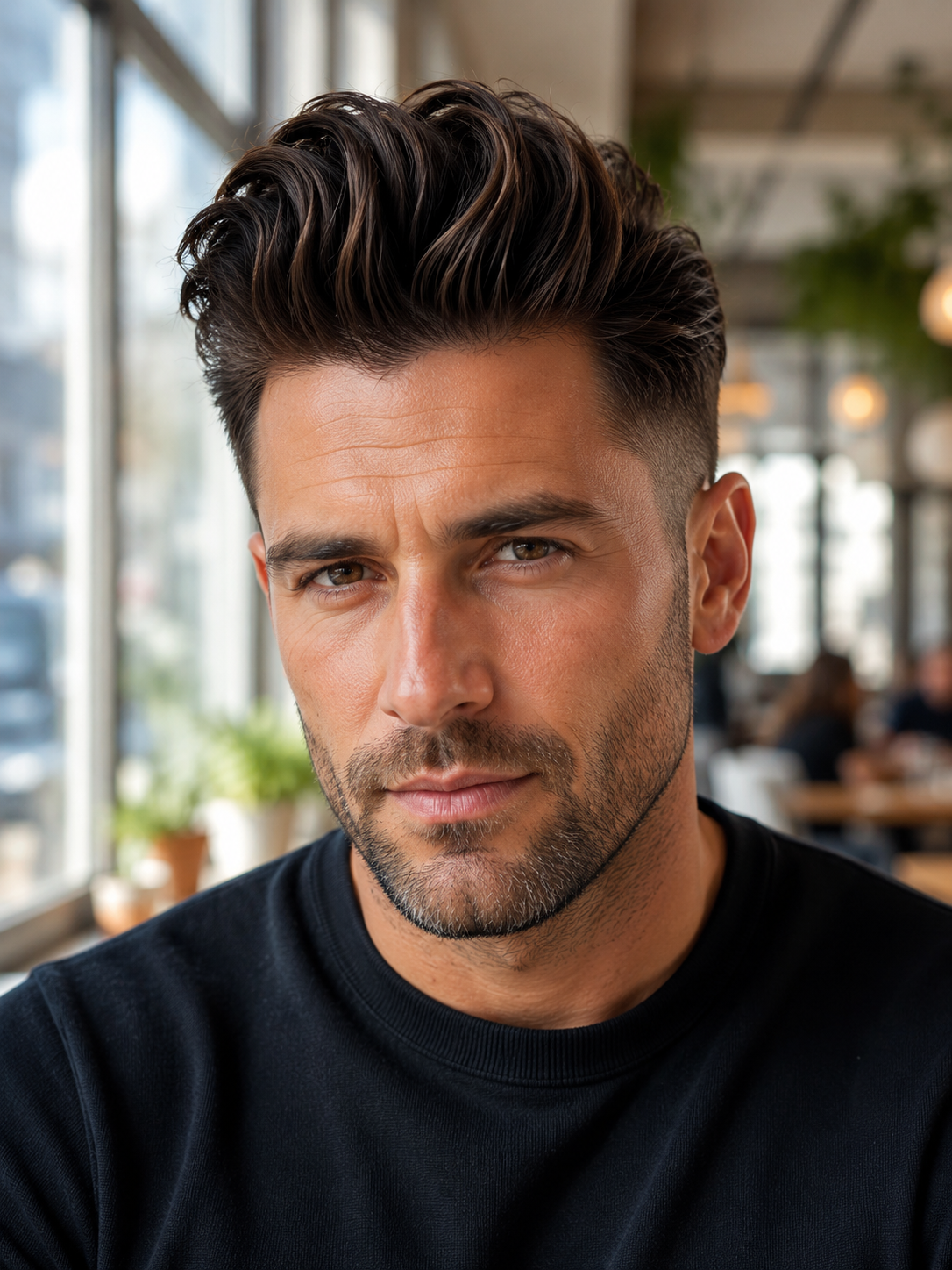
A strong-hold, water-based pomade applied to damp hair, blow-dried upward and back, gives the height. The sides are usually kept short or faded.
Layered Medium Waves
Medium-length hair with internal layers cut specifically to reduce weight and encourage the natural wave to form more consistently throughout. Without layering, wavy hair at medium length often looks heavy and undefined at the ends.
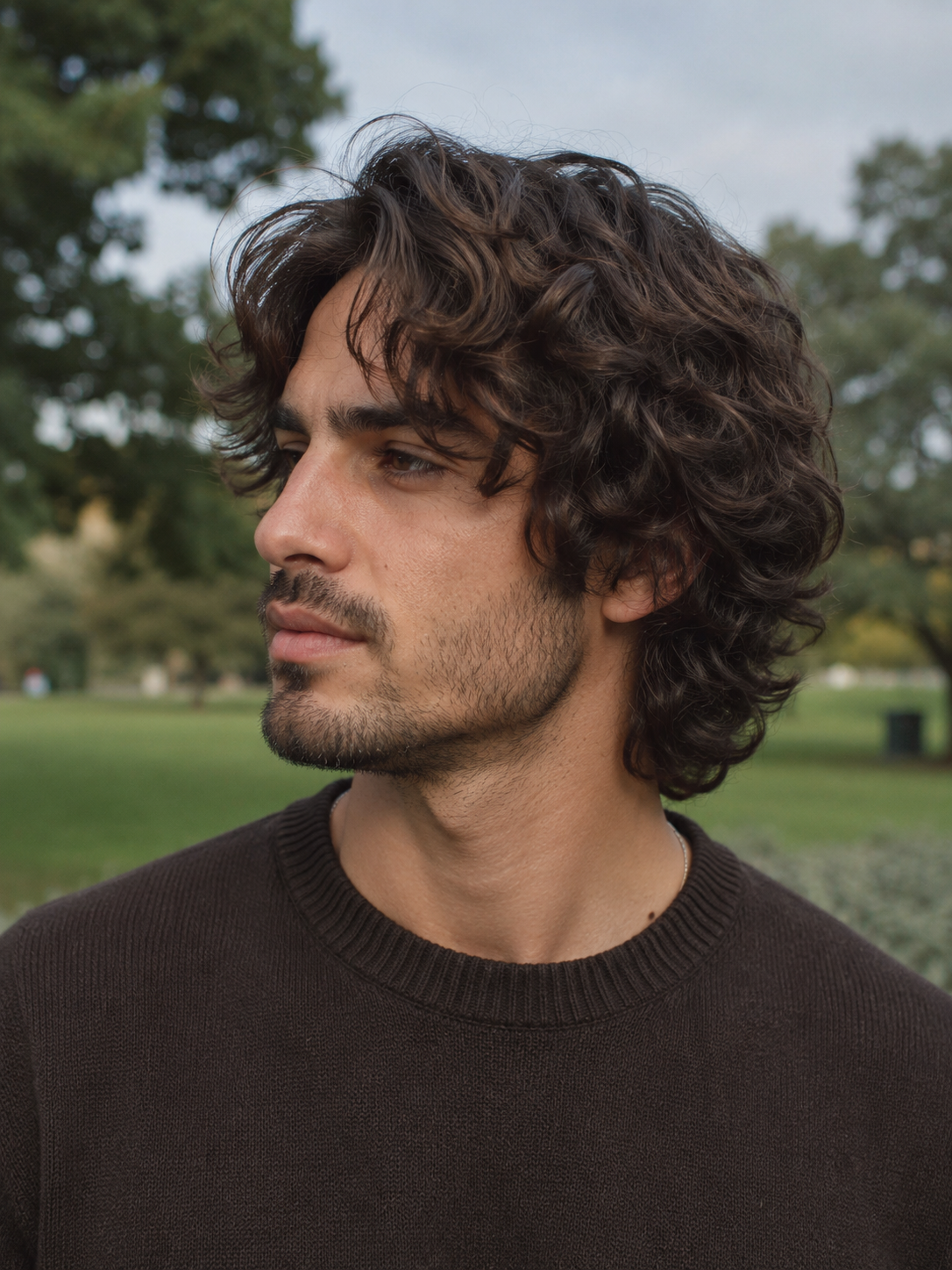
With layers, each section of hair has less weight pulling it straight, so the wave shape holds better from root to tip. Air dry with a diffuser for the most defined result.
Wavy Messy Top Knot
A looser, less structured version of the bun, pulled up quickly and secured with a few strands intentionally left out. The wave and texture of the hair make this style work where straight hair would look limp and flat.
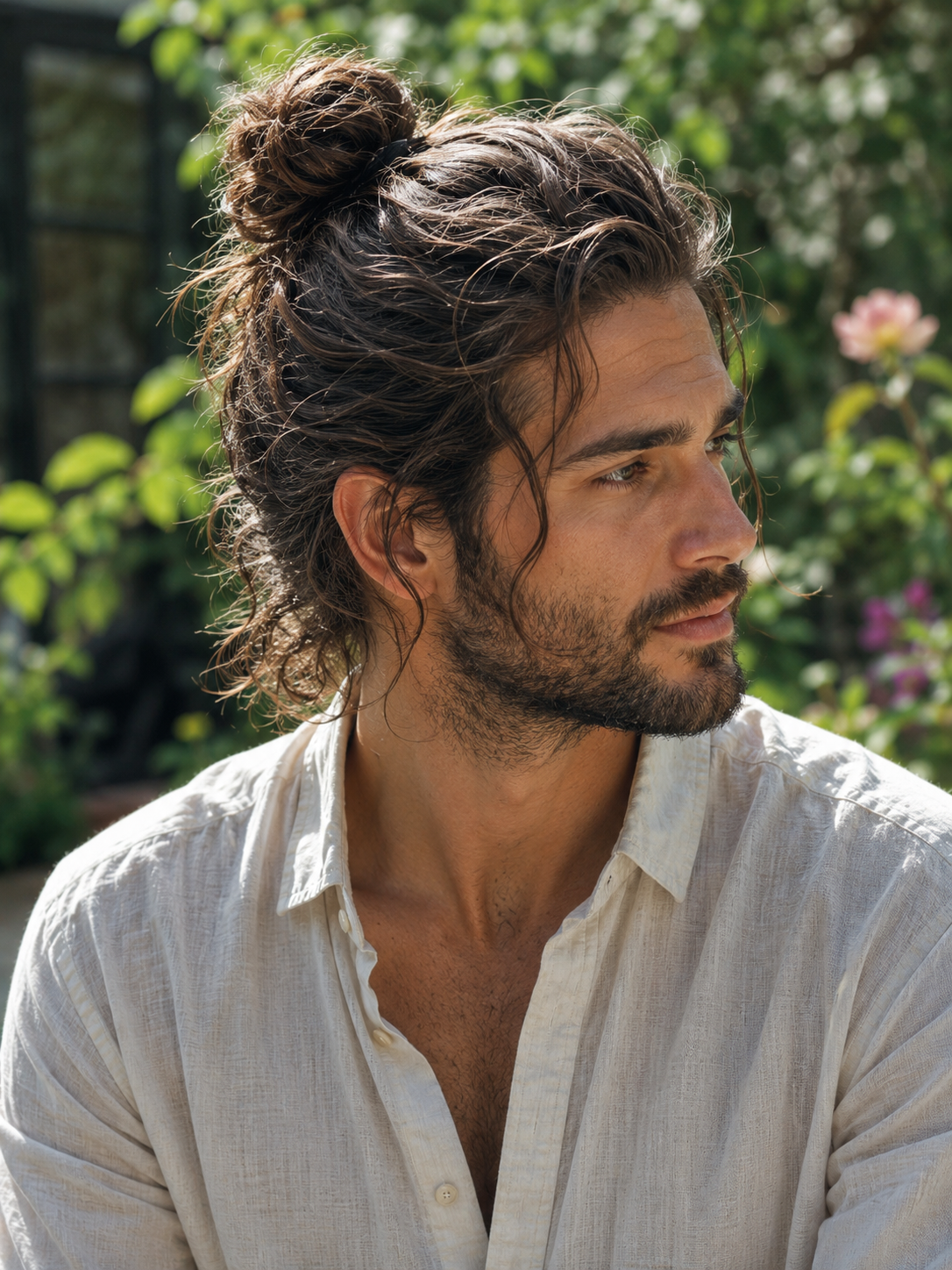
It’s a genuinely practical option for longer wavy hair on days when wearing it down isn’t ideal. The imperfection is the point, and wavy texture makes the imperfection look considered rather than careless.
Short Wavy Taper
A taper fade on the sides with a short, wavy top section styled with minimal product. The difference between this and the textured crop is in the fade, which is more gradual here and blends into the wave on top rather than creating sharp contrast.
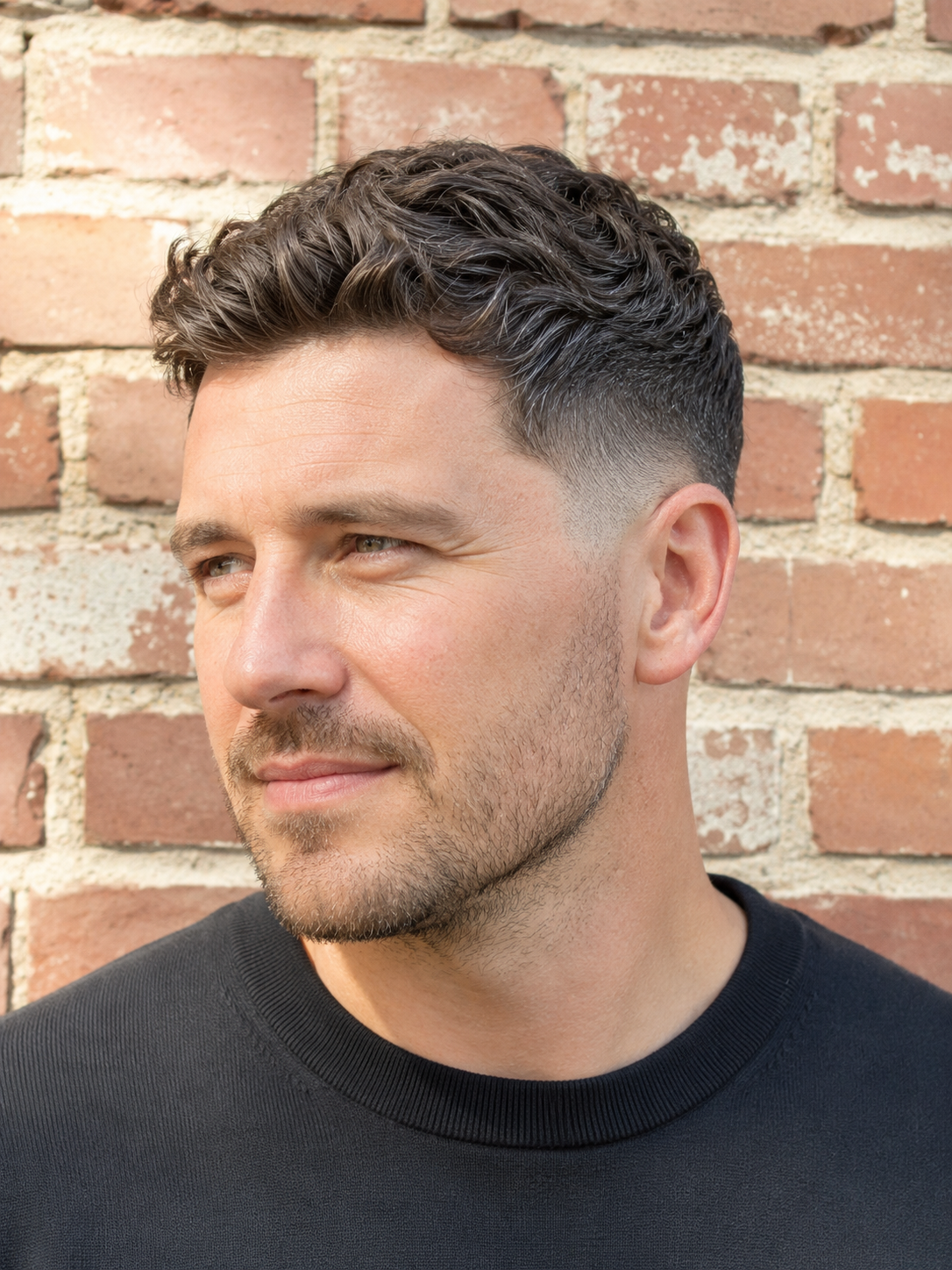
The result is a softer, more cohesive silhouette. Works well for men with finer wave patterns where a high-contrast undercut might look too stark.
Wavy Lob For Men
Sitting just above or at the shoulders, this longer style suits men who want maximum wave expression without committing to full flow length. The weight of the hair at this length helps waves form consistently, especially if your wave pattern is looser.
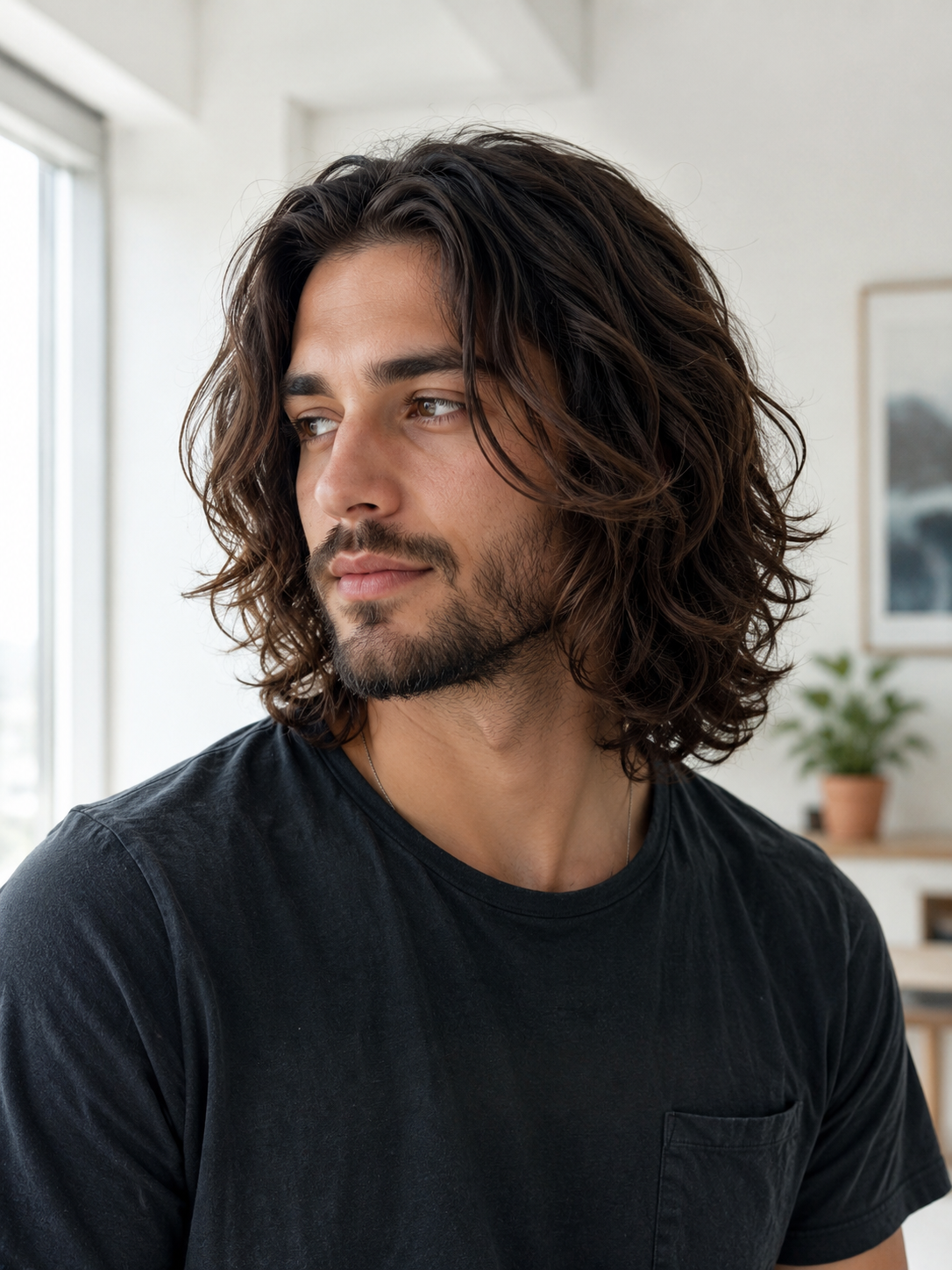
A light hold cream on damp hair, air dried or diffused, brings out the texture. Ask your stylist for long layers to prevent the ends from going flat or triangular as the hair grows.